
Urban living doesn’t mean giving up the joy of harvesting sun-warmed tomatoes straight from the vine. With the right varieties, even a windowsill, balcony, or tiny patio can yield a bountiful crop. Compact tomato plants—specifically bred for limited space—are revolutionizing home gardening by combining high productivity with minimal footprint. Whether you're cultivating in containers, vertical planters, or narrow raised beds, selecting the appropriate dwarf or determinate tomato variety is key to success. These space-efficient cultivars deliver full-flavored fruit without demanding sprawling garden real estate, making them ideal for apartment dwellers, renters, and anyone seeking fresh, homegrown produce in constrained environments.
Definition & Overview
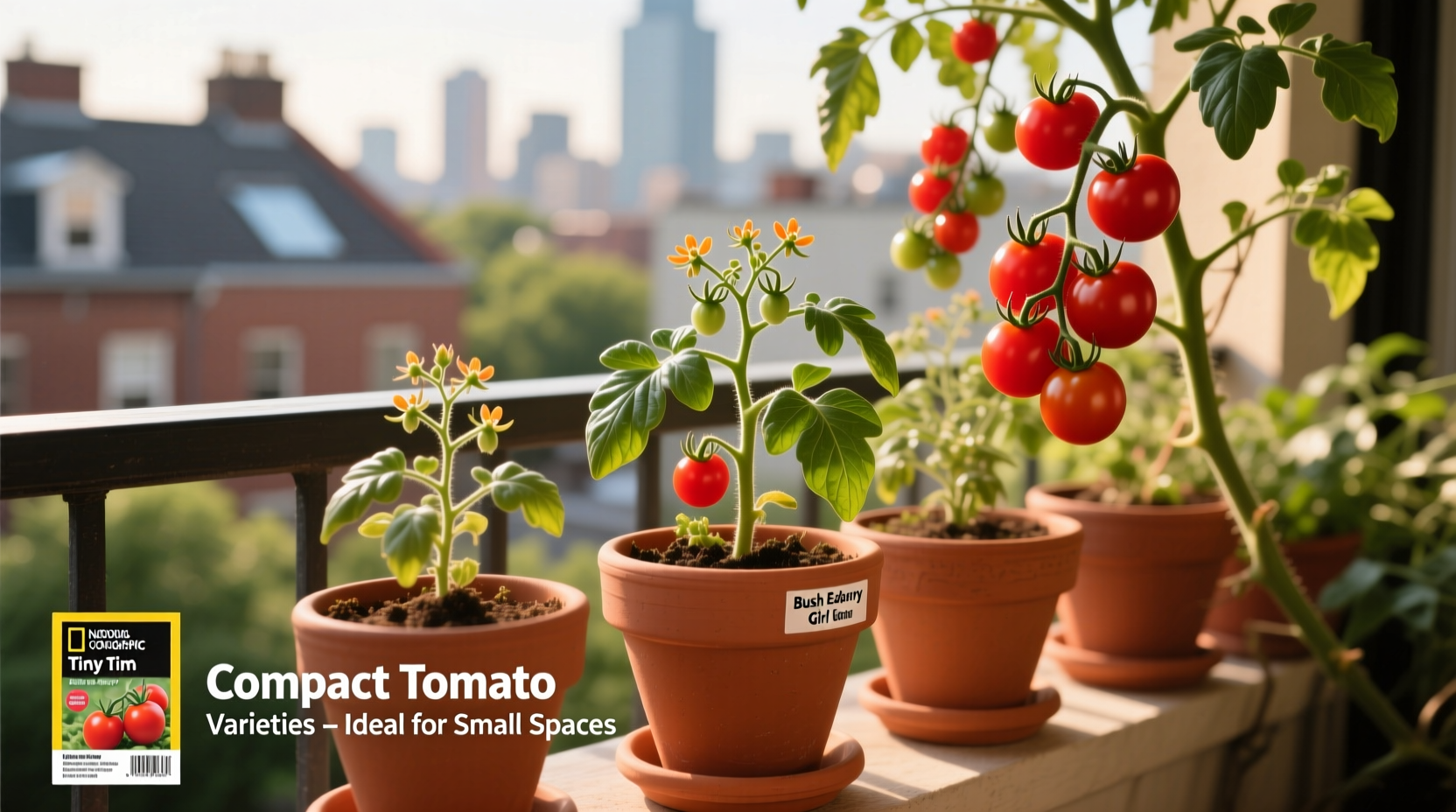
Compact tomato varieties are genetically or selectively bred cultivars designed to grow in restricted spaces while maintaining robust fruit production. Unlike indeterminate (vining) tomatoes that continue growing throughout the season and can reach heights of 6 to 10 feet, compact types are typically determinate or dwarf, meaning they grow to a predetermined size—usually between 12 to 36 inches tall—and stop. This makes them exceptionally well-suited for container gardening, window boxes, and small-space cultivation.
Tomatoes (*Solanum lycopersicum*) originated in western South America and have since become one of the most widely grown vegetables (botanically a fruit) across the globe. Their adaptability has led to thousands of cultivars, ranging from massive heirlooms to bite-sized cherries. Compact varieties represent a modern response to urbanization and the rising demand for homegrown food in densely populated areas. They maintain the essential characteristics of their larger counterparts—rich flavor, juicy texture, and nutritional benefits—but in a more manageable form.
These plants thrive under similar conditions as standard tomatoes: full sun (at least 6–8 hours daily), well-draining soil, consistent moisture, and adequate nutrients. The primary distinction lies in their structural genetics, which limit vertical growth and promote bushy, self-supporting forms. Many compact tomatoes are also early producers, yielding fruit within 50 to 70 days from transplanting, accelerating the path from seed to harvest.
Key Characteristics
| Characteristic | Description |
|---|---|
| Height | 12–36 inches; some micro-dwarfs reach only 6–10 inches |
| Growth Habit | Determinate or dwarf; stops growing at maturity |
| Flavor Profile | Varies by type: sweet cherry, tangy saladette, rich paste, or mild slicing |
| Fruit Size | Mini (cherry), small (plum), or full-sized depending on cultivar |
| Yield | Moderate to high for size; concentrated harvest period |
| Sun Requirement | Full sun (6–8 hours minimum) |
| Container Suitability | Excellent; performs well in pots 8–14 inches in diameter |
| Lifespan | Annual; single growing season |
Practical Usage in Small-Space Gardening
Cultivating compact tomatoes successfully hinges on strategic planning and attention to cultural needs. While these plants are forgiving compared to sprawling varieties, optimal results require deliberate choices in potting, feeding, and placement.
Container Selection & Soil Preparation
Choose containers with a minimum volume of 3–5 gallons for most compact types. Smaller dwarf varieties like 'Tiny Tim' can thrive in 1- to 2-gallon pots. Ensure each container has drainage holes to prevent root rot. Use a high-quality potting mix enriched with compost or slow-release organic fertilizer. Avoid garden soil, which compacts in pots and may harbor pathogens.
A lightweight blend with peat moss, perlite, and coconut coir promotes aeration and moisture retention. Incorporate a balanced organic fertilizer (e.g., 5-5-5 NPK) at planting time, then supplement every 3–4 weeks with liquid seaweed or fish emulsion during flowering and fruiting.
Planting & Spacing
Start seeds indoors 6–8 weeks before the last frost, or purchase young transplants. When moving outdoors, harden off plants gradually over 7–10 days to acclimate them to wind and sunlight. Plant at the same depth as their nursery pot—unlike vining tomatoes, most compact types do not benefit from deep planting due to their limited root spread.
In tight spaces, position one plant per container. Do not overcrowd, even in wide planters; competition for light and nutrients reduces yield. For vertical setups, use pocket planters or stacked towers, placing one tomato per pocket with southern exposure for maximum sun.
Watering & Maintenance
Containers dry out faster than ground soil, so monitor moisture daily during hot weather. Water deeply when the top inch of soil feels dry, aiming at the base to avoid wetting foliage, which can encourage fungal diseases like powdery mildew or blight. Mulching with straw or shredded bark helps retain moisture and regulate soil temperature.
Most compact tomatoes are self-supporting, but taller bush types (e.g., 'Patio Princess') may benefit from small stakes or tomato cages. Pruning is generally unnecessary, though removing yellowing lower leaves improves air circulation.
TIP: Rotate containers every few days to ensure even sun exposure and prevent lopsided growth. If growing indoors near a sunny window, supplement with a grow light during cloudy periods or in winter months.
Pollination & Fruit Set
Outdoor breezes and visiting insects usually handle pollination. In sheltered balconies or indoor settings, gently shake flowering stems every few days to release pollen. This mimics wind action and significantly improves fruit set.
Variants & Types of Compact Tomatoes
Not all small-space tomatoes are created equal. Understanding the differences among categories ensures you select the best fit for your environment and culinary goals.
1. Dwarf Varieties
Bred by the Dwarf Tomato Project, these ultra-compact plants rarely exceed 24 inches and often produce full-sized, flavorful fruit. They are open-pollinated, making seed saving easy. Examples include:
- 'Bambino': A red cherry tomato with high yields and disease resistance.
- 'Micro Tom': One of the smallest, reaching just 6–8 inches; produces 1-inch fruit.
- 'Rosella': A golden cherry tomato with a honey-like sweetness, ideal for snacking.
2. Patio or Bush Hybrids
Developed by seed companies for commercial appeal, these F1 hybrids combine compact growth with high productivity and disease resistance. Most are determinate and bred specifically for containers.
- 'Patio Choice Yellow': Produces clusters of golden cherry tomatoes; resistant to cracking.
- 'Terenzo': A trailing variety perfect for hanging baskets; yields abundant red cherries.
- 'Red Rocket': An All-America Selections winner with bold flavor and compact upright form.
3. Urban or Balcony Series
Marketed under branded lines like \"Balcony,\" \"Window Box,\" or \"Hanging Basket,\" these are often semi-trailing, allowing fruit to cascade attractively. They excel in visual impact and continuous harvest.
- 'Tumbler': A classic trailing cherry tomato for hanging pots.
- 'Sweetheart of the Patio': A compact slicer producing 4–6 oz fruits on 2-foot plants.
4. Miniature or Micro-Tomatoes
Bred for research or novelty, these extremely small plants (e.g., *Solanum pimpinellifolium* var. *cerasiforme*) are used in classrooms or as ornamentals but still produce edible fruit.
| Type | Max Height | Fruit Size | Best For |
|---|---|---|---|
| Dwarf | 18–24 in | Cherry to slicer | Flavor, seed saving |
| Patio Hybrid | 18–36 in | Cherry to plum | Reliability, disease resistance |
| Trailing/Basket | 12–24 in (trails 2+ ft) | Cherry | Hanging displays, cascading effect |
| Miniature | 6–12 in | Pea-sized | Novelty, education |
Comparison with Similar Plants
Compact tomatoes are sometimes confused with other small-fruited or dwarf nightshades. Clarifying distinctions prevents misidentification and improper care.
| Feature | Compact Tomato | Pepino Dulce | Ground Cherry | Hot Peppers (Dwarf) |
|---|---|---|---|---|
| Scientific Name | Solanum lycopersicum | Solanum muricatum | Physalis pruinosa | Capsicum annuum |
| Fruit Encasement | Bare | Bare | In papery husk | Bare |
| Heat Level | None | None | None | Medium to high |
| Growth Habit | Bush or trailing | Shrubby perennial | Low-spreading annual | Compact bush |
| Edible Use | Raw, cooked, sauces | Raw, desserts | Raw, jams | Spicy dishes, garnishes |
\"The beauty of compact tomatoes isn’t just in their size—it’s in their ability to democratize fresh food production. Anyone with a fire escape and a little sunlight can grow something delicious.\" — Dr. Elena Torres, Urban Horticulture Specialist, Cornell Cooperative Extension
Practical Tips & FAQs
Q1: Can I grow compact tomatoes indoors year-round?
A1: Yes, provided they receive at least 6–8 hours of direct sunlight or supplemental grow lighting (LED full-spectrum recommended). Maintain temperatures between 65–80°F and ensure good air circulation to deter pests.
Q2: Do compact tomatoes need pollination help?
A2: Outdoors, natural pollinators suffice. Indoors or in enclosed spaces, gently shake flowering stems or use a small brush to transfer pollen between flowers.
Q3: Are compact tomatoes less flavorful than full-sized ones?
A3: Not necessarily. Flavor depends more on ripeness, sunlight, and soil health than plant size. Many compact varieties, such as 'Sun Gold' (semi-dwarf) or 'Black Cherry', are renowned for exceptional taste.
Q4: How often should I fertilize container-grown compact tomatoes?
A4: Apply a balanced liquid fertilizer every 2–3 weeks once flowering begins. Over-fertilizing, especially with nitrogen, leads to leafy growth at the expense of fruit.
Q5: What pests commonly affect small-space tomatoes?
A5: Aphids, whiteflies, and spider mites are frequent in container gardens. Inspect undersides of leaves weekly. Treat infestations early with insecticidal soap or neem oil.
Q6: Can I save seeds from compact tomatoes?
A6: Yes, if the variety is open-pollinated (not an F1 hybrid). Ferment the seeds for 3–5 days to remove the gelatinous coating, then rinse and dry thoroughly before storing in a cool, dark place.
CASE STUDY: A Brooklyn apartment dweller grew 'Terenzo' cherry tomatoes in two 10-inch hanging baskets on a south-facing balcony. Using organic potting mix and biweekly fish emulsion feedings, she harvested over 2 pounds of tomatoes per plant from June through September—enough for daily salads and a batch of roasted tomato sauce.
- Choose a variety based on available space and desired fruit type
- Use containers with proper drainage and quality potting soil
- Place in full sun (minimum 6 hours direct light)
- Water consistently—never let soil dry completely
- Fertilize regularly during fruiting stage
- Monitor for pests and diseases weekly
- Harvest when fruit is fully colored and slightly soft to touch
Summary & Key Takeaways
Compact tomato varieties make homegrown tomatoes accessible to everyone, regardless of space limitations. By selecting the right cultivar—whether a dwarf, patio hybrid, or trailing type—urban gardeners can enjoy high yields of flavorful fruit from containers, hanging baskets, or window boxes. These plants thrive with full sun, well-draining soil, and consistent care, delivering harvests in as little as 50 days.
The diversity among compact tomatoes allows customization based on culinary preference and growing conditions. From sweet cherries to meaty slicers, there's a variety suited to every palate and space. Unlike sprawling indeterminate types, these bush-form plants require minimal staking and pruning, reducing maintenance while maximizing productivity.
Understanding the differences between dwarf, hybrid, and trailing forms enables informed decisions. Additionally, recognizing that compact does not mean inferior—many of these varieties surpass larger tomatoes in flavor intensity and disease resistance—empowers gardeners to grow confidently.
With rising interest in food sovereignty, sustainability, and hyper-local produce, compact tomatoes represent more than a gardening trend—they are a practical tool for reclaiming control over what we eat. Whether you’re a first-time grower or a seasoned container gardener, integrating these space-smart cultivars into your routine offers tangible rewards: fresher meals, reduced grocery costs, and the unmatched satisfaction of harvesting your own crop.
Ready to start? Select three compact tomato varieties that match your space and taste preferences, gather your containers, and begin planting this season. Your future harvest—and future salads—will thank you.




 浙公网安备
33010002000092号
浙公网安备
33010002000092号 浙B2-20120091-4
Comments
No comments yet. Why don't you start the discussion?