
TikTok thrives on visual storytelling, but one glaring limitation frustrates users regularly: the inability to add pictures directly in comments. Unlike platforms such as Instagram or Twitter, TikTok does not support image uploads within comment threads. This restriction can hinder engagement, especially when a user wants to respond with a meme, reaction image, or visual proof. However, several creative workarounds exist that allow you to simulate the effect of posting images in comments. This guide breaks down practical strategies, tools, and best practices to help you communicate more effectively—even without native picture-in-comment functionality.
Why You Can’t Add Pictures to TikTok Comments (And Why It Matters)
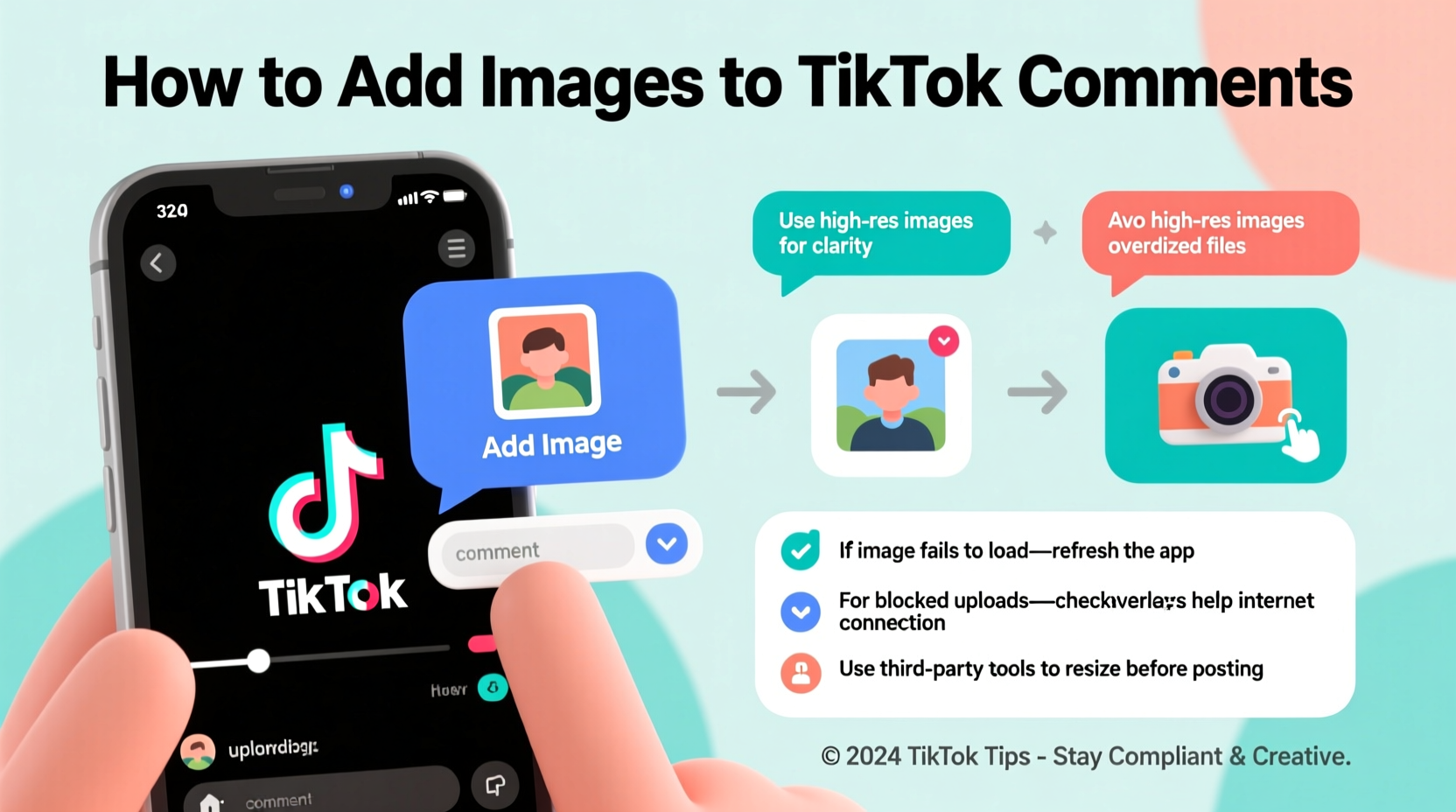
TikTok’s comment system is designed for text-based interaction. While you can reply with emojis, GIFs from the built-in library, or voice notes, uploading personal photos isn’t supported. This design choice likely stems from moderation concerns, data usage optimization, and platform simplicity. However, it limits expressive potential.
Visual communication often conveys tone and context more clearly than text alone. A well-placed reaction image or side-by-side comparison can clarify intent, spark humor, or strengthen community bonding. Without this ability, conversations may feel flat or misinterpreted.
“Visual cues are critical in digital communication—especially in fast-moving social environments like TikTok. When those are missing, nuance gets lost.” — Dr. Lena Patel, Digital Communication Researcher at Stanford University
Step-by-Step Workarounds to Share Images in Response to Comments
While direct photo uploads aren’t possible, you can still share visuals in ways that appear connected to a comment thread. Below is a detailed sequence of methods ranked by effectiveness and ease of use.
1. Upload a Reply Video with Embedded Image
The most reliable workaround is creating a short video that includes your image and tagging the original commenter.
- Navigate to the comment you want to respond to.
- Note the username and content of the comment.
- Open your camera or gallery and prepare the image you'd like to share.
- Create a new TikTok video:
- Upload your image using the “Photo” mode.
- Add text overlay if needed (e.g., “Replying to @username”).
- Set duration to 1 second per image if using multiple frames.
- In the caption, tag the user (@username) and write a brief message.
- Post the video and pin the comment linking back to your response video.
2. Use Text-to-Image Services with Link Sharing
If you're responding in a public comment, you can host your image externally and share a link.
- Upload your image to a free image hosting service (e.g., Imgur, Postimages, or Flickr).
- Copy the direct link to the image.
- Paste the link into your TikTok comment.
Note: TikTok often blocks or hides links in comments, so visibility varies. Some users report better success when sending links via Direct Message (DM) after commenting.
3. Leverage TikTok Stories (If Available)
For beta-tested features like TikTok Stories (available to select users), you can post an image story and reference it in your comment.
- Take or upload your image to your Story.
- In the comment, write: “Check my story for the pic!” or “Responded in Story – @yourusername.”
- Ensure your Story is set to public or friend-accessible.
This method works best for creators with engaged followers who check Stories regularly.
Comparison of Visual Response Methods on TikTok
| Method | Visibility | Effort Level | Reliability | Best For |
|---|---|---|---|---|
| Reply Video with Image | High | Moderate | High | Public engagement, viral responses |
| Link in Comment | Low-Moderate | Low | Low | Quick sharing, tech-savvy audiences |
| Direct Message with Image | High (private) | Low | High | One-on-one replies |
| TikTok Story Reference | Medium | Moderate | Variable | Active creators with Story access |
| Duet/Stitch with Still Image | High | Moderate | High | Creative commentary, critiques |
Real Example: How a Creator Used Visual Replies to Go Viral
Jess Lin, a lifestyle creator with 380K followers, noticed fans frequently asked for outfit sources in comments. Instead of typing long replies, she began posting 3-second image videos tagging users.
One day, a viewer commented, “I love that jacket! Where’s it from?” Jess uploaded a still image of the product page, tagged the user, and wrote, “Here you go, @maria_style!” The reply video gained 50K views independently, and TikTok’s algorithm began promoting her profile as highly interactive.
Within two weeks, her average comment response rate increased by 70%, and follower growth accelerated. “It turned passive comments into mini-content pieces,” she said in a creator interview. “People started expecting visual answers.”
Best Practices for Maximizing Impact
To make the most of these workarounds, follow these proven strategies:
- Tag Clearly: Always mention the user’s @handle in the caption or on-screen text so they’re notified.
- Keep It Short: Use single-image slides with minimal transitions for clarity.
- Pin Your Response: If replying via video, pin the comment linking to it on your original post.
- Avoid Spam: Don’t mass-reply with image videos unless relevant—TikTok may flag it as bot behavior.
- Use DMs Strategically: For private or sensitive images, send via Direct Message after acknowledging the comment publicly.
Checklist: How to Respond Visually on TikTok (Step-by-Step Summary)
- Identify the comment requiring a visual response.
- Select or create the image you want to share.
- Decide on the method: reply video, Duet, DM, or link.
- Upload the image as a TikTok video or to an external host.
- Tag the user’s @username in the caption or text overlay.
- Publish and monitor engagement.
- Pin the response if it adds value to the conversation.
Frequently Asked Questions
Can I ever expect TikTok to allow picture comments?
There’s no official announcement yet, but internal testing of richer comment features has been observed in beta versions. Given trends toward multimedia interaction on social platforms, it’s plausible that image comments could roll out in the future—possibly with moderation safeguards.
Why do some people seem to post images in comments?
What appears to be an image in a comment is usually a link preview (if enabled), a GIF from TikTok’s licensed library, or a pinned video reply. True image uploads within the comment box remain unsupported for most users.
Is it safe to use third-party image hosts for TikTok replies?
Yes, as long as you use reputable services like Imgur or Flickr and avoid sites that inject ads or malware. Never upload sensitive or personal images to public links.
Final Thoughts and Call to Action
The absence of native image support in TikTok comments doesn’t have to limit your creativity. By leveraging video uploads, strategic tagging, and external tools, you can deliver rich, visual responses that deepen audience connection. These methods not only overcome platform limitations but also generate additional content, boost engagement metrics, and position you as an active, responsive creator.
Start experimenting today: pick one comment that deserves more than words and answer it with a visual. Whether it’s a meme, proof, or simple clarification, your audience will notice the extra effort. And if enough users adopt these techniques, the demand for native picture comments might finally push TikTok to evolve.




 浙公网安备
33010002000092号
浙公网安备
33010002000092号 浙B2-20120091-4
Comments
No comments yet. Why don't you start the discussion?