
More pet owners are exploring grain-free diets for their dogs, driven by concerns about allergies, digestion, or simply a desire to align with ancestral eating patterns. While grain-free feeding can offer benefits for certain dogs, the transition must be handled with care. An abrupt switch can lead to gastrointestinal distress, nutrient imbalances, or long-term health complications. A thoughtful, science-backed approach ensures your dog receives optimal nutrition while adapting smoothly to a new diet.
Understanding Grain-Free Diets: What They Are and Why They Matter
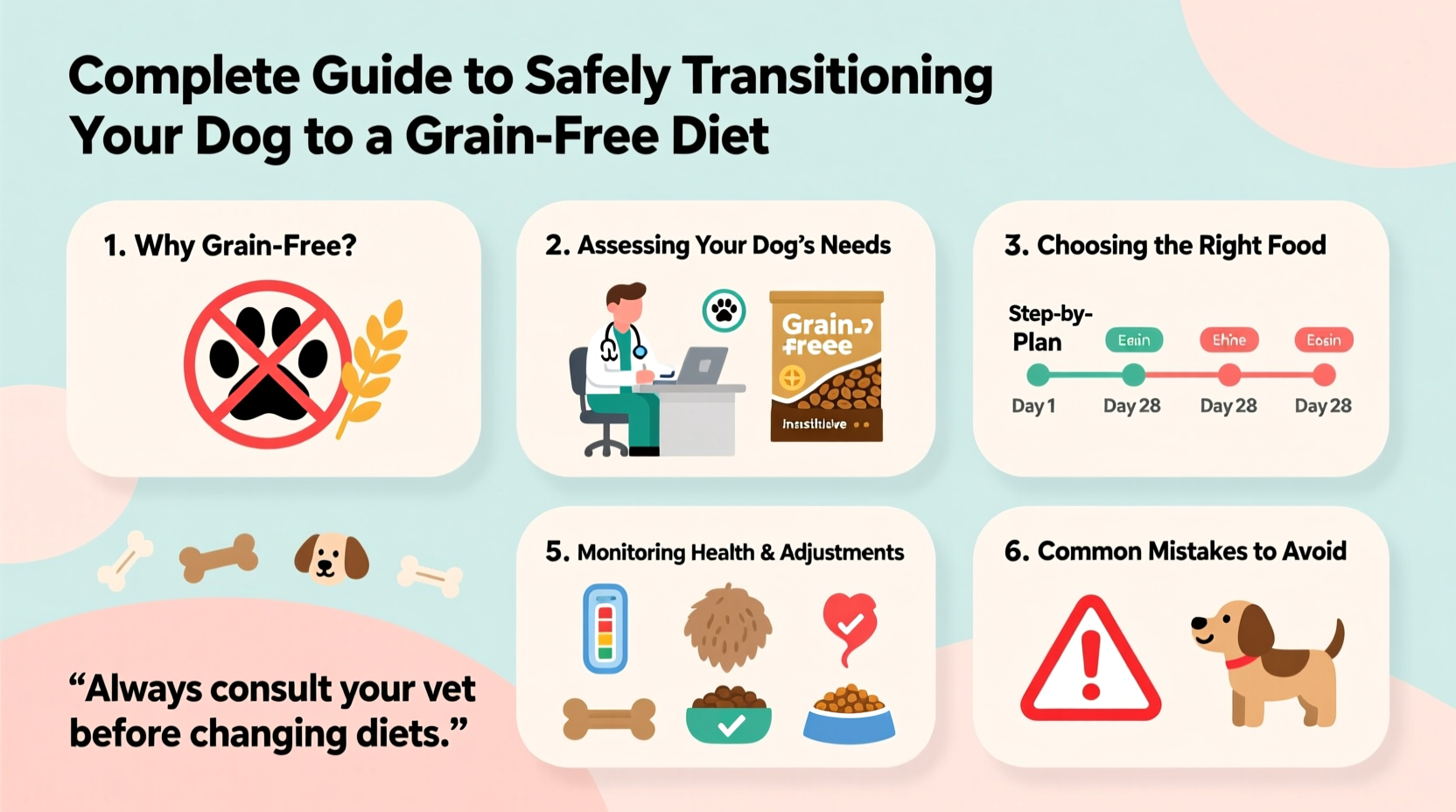
A grain-free diet excludes common grains such as wheat, corn, rice, barley, and oats. Instead, these diets often rely on alternative carbohydrate sources like sweet potatoes, peas, lentils, or tapioca. It's important to clarify that \"grain-free\" does not necessarily mean \"carbohydrate-free\"—many grain-free kibbles still contain plant-based fillers that serve as energy sources.
Veterinarians typically recommend grain-free food for dogs with diagnosed grain sensitivities or allergies. However, some pet owners choose this path based on marketing claims rather than medical necessity. According to Dr. Linda Wilson, board-certified veterinary nutritionist at UC Davis:
“Not every dog needs a grain-free diet. In fact, most dogs digest grains efficiently. The key is matching the diet to the individual dog’s health status, not trends.” — Dr. Linda Wilson, DVM, DACVN
Recent studies have also raised concerns about a potential link between certain grain-free diets and dilated cardiomyopathy (DCM), particularly those high in legumes and potatoes. This underscores the importance of choosing formulas backed by veterinary nutritionists and formulated to meet AAFCO standards.
Step-by-Step Guide to Transitioning Your Dog Safely
A successful transition hinges on gradual change. Dogs have sensitive digestive systems, and sudden dietary shifts can cause diarrhea, vomiting, or appetite loss. Follow this 7–10 day timeline to minimize discomfort:
- Day 1–2: Mix 25% new grain-free food with 75% current food.
- Day 3–4: Increase to 50% new food, 50% old food.
- Day 5–7: Use 75% grain-free, 25% original food.
- Day 8–10: Feed 100% grain-free diet if no adverse reactions occur.
Monitor your dog closely during each phase. Signs of intolerance include loose stools, excessive gas, lethargy, or skin irritation. If symptoms arise, pause the transition and revert to the previous ratio for several more days before progressing slowly.
Choosing the Right Grain-Free Food: Do’s and Don’ts
Not all grain-free foods are created equal. Some prioritize marketing over nutritional integrity. Use this checklist when evaluating options:
- Look for AAFCO compliance on the label.
- Prioritize named animal proteins (e.g., “chicken,” not “meat meal”) as the first ingredient.
- Avoid formulas where legumes (peas, lentils) dominate the ingredient list.
- Check for added taurine and L-carnitine, especially in large-breed or active dogs.
- Consult your vet before selecting a brand if your dog has heart conditions or kidney issues.
| Do | Don't |
|---|---|
| Choose brands developed with veterinary nutritionists | Select based solely on packaging claims like “natural” or “holistic” |
| Opt for moderate fiber content (between 2–4%) | Feed ultra-high protein diets without medical justification |
| Rotate proteins occasionally to prevent sensitivities | Switch brands too frequently—allow at least 6–8 weeks per food |
| Store food in airtight containers away from light and heat | Leave kibble in the original bag exposed to air and humidity |
Real-Life Example: How Max Overcame Digestive Issues
Max, a 4-year-old Golden Retriever, had chronic soft stools and frequent itching despite eating premium kibble. His owner, Sarah, suspected food sensitivity and consulted her veterinarian. After ruling out parasites and infections, the vet recommended a trial of a limited-ingredient, grain-free diet featuring duck and potato.
Sarah followed a strict 10-day transition plan. By day six, Max’s stool firmed up noticeably. By week three, his coat became shinier and scratching reduced significantly. Blood work six weeks later showed improved liver enzymes and stable weight. The vet credited the success not just to removing grains, but to eliminating multiple allergens and introducing a balanced, highly digestible formula.
This case illustrates that grain-free isn’t a universal fix—but when paired with professional guidance and careful monitoring, it can resolve underlying issues.
Essential Checklist Before Starting the Transition
Before opening that first bag of grain-free food, ensure you’re fully prepared:
- ✅ Schedule a wellness check-up with your veterinarian.
- ✅ Discuss your dog’s breed, age, activity level, and any existing conditions.
- ✅ Research and select one high-quality grain-free brand to trial.
- ✅ Purchase a small bag first to test tolerance.
- ✅ Record baseline data: weight, stool quality, energy level, coat condition.
- ✅ Plan the transition schedule and stick to it.
- ✅ Keep the old food on hand until full switch is complete.
Frequently Asked Questions
Can all dogs eat grain-free food?
No. While many dogs tolerate grain-free diets well, they aren’t necessary—or always safe—for every dog. Breeds prone to heart disease, such as Doberman Pinschers or Great Danes, may require extra caution due to potential links with legume-rich formulas. Always consult your vet before making the switch.
Will my dog get enough fiber without grains?
Yes, provided the diet includes alternative fiber sources like pumpkin, carrots, or beet pulp. Fiber supports gut motility and beneficial bacteria. Look for total dietary fiber between 2% and 4% on the guaranteed analysis panel.
How do I know if the grain-free diet is working?
Positive signs include consistent, firm stools; sustained energy; healthy skin and coat; and maintaining ideal body weight. Negative indicators—loose stools, vomiting, weight loss, or behavioral changes—warrant immediate evaluation by a veterinarian.
Nutritional Considerations Beyond Grains
Removing grains means reevaluating the entire nutrient profile. Pay attention to:
- Protein Quality: Animal-based proteins provide essential amino acids like taurine, which some grain-free diets may lack.
- Omega Fatty Acids: Ensure adequate omega-3s (from fish oil or flaxseed) to support skin and joint health.
- Vitamins & Minerals: Grain-free doesn’t mean nutrient-dense by default. Verify that the food includes balanced vitamins (especially B-complex) and chelated minerals.
Homemade grain-free diets require even greater scrutiny. Without precise formulation, deficiencies in calcium, phosphorus, or trace minerals can develop rapidly. If preparing food at home, work with a certified veterinary nutritionist to create a balanced recipe.
Conclusion: Make the Change with Confidence
Transitioning your dog to a grain-free diet can be a positive step—if done thoughtfully and under informed guidance. It’s not about following trends, but responding to your dog’s unique physiology and health needs. With proper planning, gradual introduction, and ongoing observation, you can ensure your pet thrives on a nutritious, grain-free regimen.




 浙公网安备
33010002000092号
浙公网安备
33010002000092号 浙B2-20120091-4
Comments
No comments yet. Why don't you start the discussion?