
After a concussion, one of the most common yet misunderstood challenges people face is disrupted sleep. Whether you're struggling to fall asleep, waking up frequently, or feeling unrested despite long hours in bed, changes in sleep patterns are a hallmark of post-concussion recovery. While it’s natural to worry—especially about whether it’s safe to sleep after a head injury—understanding the science behind concussion-related sleep disturbances can help guide safer decisions and more effective healing.
The Connection Between Concussion and Sleep Disruption
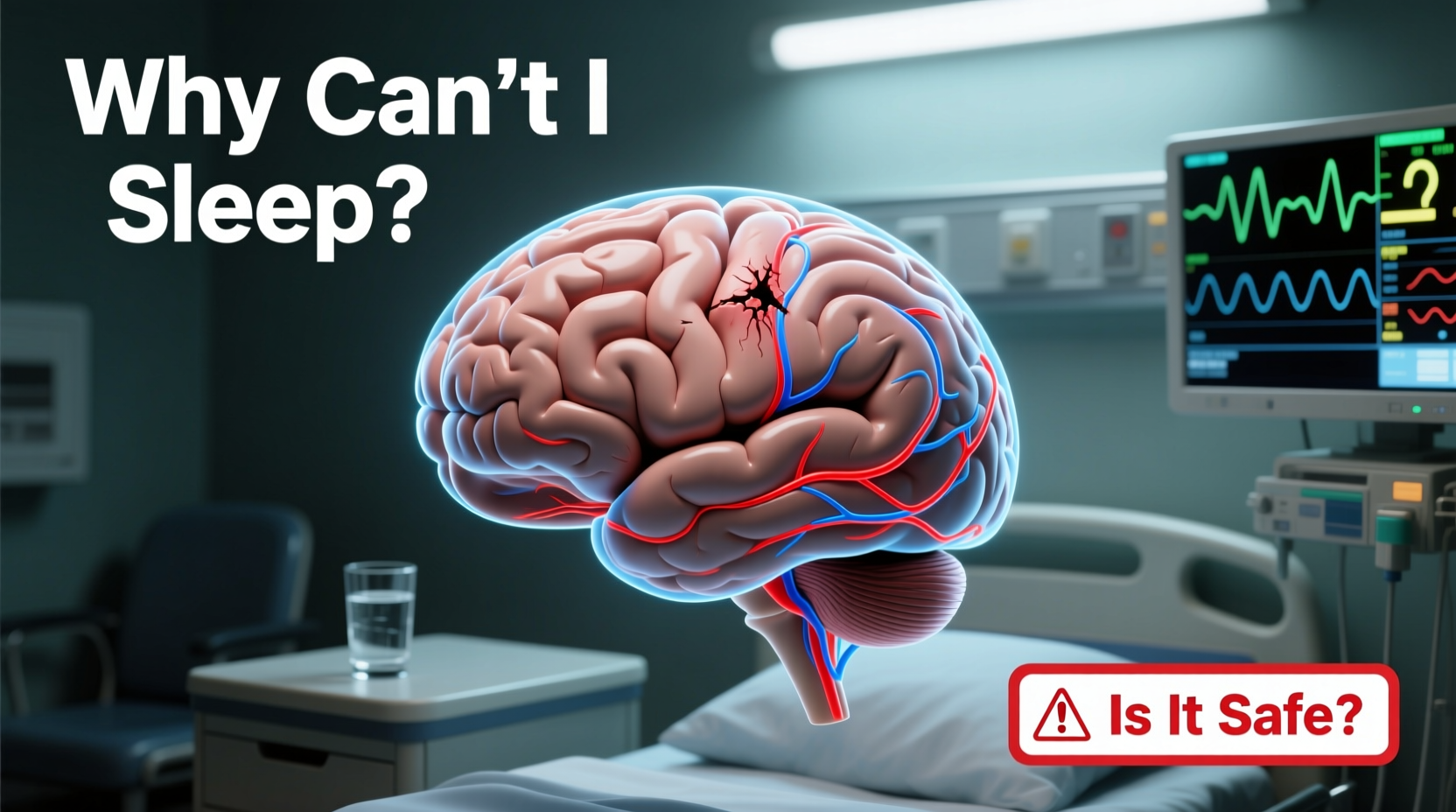
A concussion is a mild traumatic brain injury (mTBI) caused by a blow, jolt, or sudden movement of the head that disrupts normal brain function. Although symptoms like headaches, dizziness, and memory issues are widely recognized, sleep problems often emerge as persistent and sometimes overlooked complications.
The brain relies on precise neurochemical balance and electrical activity to regulate sleep-wake cycles. A concussion can interfere with the hypothalamus and brainstem—key areas involved in circadian rhythm and arousal control. This disruption may lead to:
- Insomnia (difficulty falling or staying asleep)
- Hypersomnia (excessive daytime sleepiness)
- Irregular sleep schedules
- Poor sleep quality despite adequate time in bed
- Nightmares or restless sleep
These changes don’t mean further brain damage has occurred—they reflect the brain’s altered state during healing. However, poor sleep can slow recovery, worsen cognitive symptoms, and increase emotional distress.
Is It Safe to Sleep After a Concussion?
A widespread myth suggests that sleeping after a concussion is dangerous—that someone might “fall into a coma” or fail to wake up. Medical experts now strongly refute this idea.
In reality, sleep is essential for brain recovery. The brain uses rest periods to repair neural connections, clear metabolic waste, and restore neurotransmitter balance. Depriving someone of sleep after a concussion can prolong symptoms and delay healing.
“Patients need restorative sleep after a concussion. The old advice to keep someone awake all night is outdated and potentially harmful.” — Dr. Sarah Thompson, Neurologist and Brain Injury Specialist
That said, medical evaluation immediately after injury remains critical. If red flags such as severe confusion, repeated vomiting, unequal pupils, or seizures are present, emergency care is necessary before allowing sleep.
Once cleared by a healthcare provider, sleeping is not only safe—it’s encouraged.
Why Can't I Sleep After a Concussion?
Several interrelated factors contribute to post-concussion insomnia:
Neurological Changes
The injury may affect melatonin production—the hormone that regulates sleep. Studies show many patients have lower nighttime melatonin levels after concussion, making it harder to initiate sleep.
Anxiety and Hyperarousal
Post-injury anxiety is common. Worry about recovery, lingering symptoms, or returning to work/school can keep the nervous system in a heightened state, interfering with relaxation at bedtime.
Pain and Discomfort
Headaches, neck pain, or sensitivity to light and sound can make lying down uncomfortable. Even minor discomfort becomes amplified when trying to fall asleep.
Medication Side Effects
Some medications prescribed for pain or mood regulation after concussion (e.g., certain antidepressants or stimulants) may disrupt sleep architecture.
Lifestyle Disruptions
Reduced physical activity, screen overuse, and irregular daily routines during recovery can desynchronize the body’s internal clock.
| Cause | How It Affects Sleep | Potential Solution |
|---|---|---|
| Melatonin disruption | Delayed sleep onset | Low-dose melatonin supplement (with doctor approval) |
| Anxiety | Frequent nighttime awakenings | Mindfulness, therapy, breathing exercises |
| Pain | Difficulty finding comfortable position | Gentle stretching, supportive pillows, pain management plan |
| Sedentary recovery | Reduced sleep pressure | Gradual reintroduction of light activity |
Step-by-Step Guide to Improving Sleep After Concussion
Rebuilding healthy sleep habits takes time and consistency. Follow this phased approach:
- Days 1–3: Prioritize Safety and Rest
Allow frequent naps and extended sleep if needed. Avoid screens and bright lights. Let the brain enter passive recovery mode. - Days 4–7: Establish a Gentle Routine
Set consistent wake-up and bedtime—even if sleep is fragmented. Use dim lighting in the evening and avoid caffeine. - Weeks 2–4: Reintroduce Light Activity
Begin walking or gentle yoga as tolerated. Physical movement increases sleep drive and reduces anxiety. - Week 5+: Optimize Sleep Hygiene
Limit screen time before bed, keep the bedroom cool and dark, and practice wind-down rituals like reading or journaling.
Mini Case Study: Recovering Sleep After a Sports-Related Concussion
Mark, a 24-year-old college soccer player, sustained a concussion during a game after colliding with another player. Initially, he was monitored at the ER and released with instructions to rest. Within two days, he began experiencing intense insomnia—lying awake for hours despite exhaustion.
His athletic trainer referred him to a concussion clinic. Evaluations revealed elevated anxiety and low evening melatonin. His treatment plan included:
- Daily 20-minute walks in natural light to regulate circadian rhythm
- Progressive muscle relaxation before bed
- A strict no-screens-after-9-PM rule
- 0.5 mg melatonin taken 90 minutes before bedtime (under physician supervision)
By week six, Mark reported falling asleep within 20 minutes and waking refreshed. His cognitive testing also showed marked improvement, reinforcing the role of quality sleep in neurological recovery.
Checklist: Supporting Healthy Sleep During Concussion Recovery
- ✅ Get medical clearance before resuming normal activities
- ✅ Maintain a consistent wake-up time every day
- ✅ Limit screen exposure 1–2 hours before bed
- ✅ Avoid caffeine after noon
- ✅ Use blackout curtains or an eye mask to reduce light
- ✅ Practice calming techniques (deep breathing, meditation)
- ✅ Talk to your doctor before taking any sleep aids
- ✅ Gradually increase light physical activity as symptoms allow
Frequently Asked Questions
Can I take over-the-counter sleep aids after a concussion?
Not without consulting your doctor. Many OTC sleep medications contain antihistamines or other ingredients that may impair cognitive recovery or interact with other medications. Natural options like melatonin may be appropriate under supervision.
How long do sleep problems last after a concussion?
For most people, sleep improves within 4–6 weeks. However, around 20–30% experience persistent sleep disturbances beyond three months, especially if untreated. Early intervention significantly improves outcomes.
Should I nap during the day if I’m tired?
Yes, but keep naps short (20–30 minutes) and before 3 PM. Long or late naps can interfere with nighttime sleep. Listen to your body, but avoid excessive daytime sleep that disrupts your schedule.
Conclusion: Reclaiming Rest for Faster Healing
Sleep isn’t just a symptom of concussion recovery—it’s a core component of it. The brain heals most efficiently during deep, uninterrupted rest. While initial insomnia is common, understanding its causes and applying structured, evidence-based strategies can dramatically improve outcomes.
If you’re struggling to sleep after a concussion, don’t suffer in silence. Seek guidance from a healthcare provider experienced in brain injury. With patience, proper support, and consistent routines, restful sleep—and full recovery—is within reach.




 浙公网安备
33010002000092号
浙公网安备
33010002000092号 浙B2-20120091-4
Comments
No comments yet. Why don't you start the discussion?