
Asking someone out can feel intimidating. The fear of rejection, uncertainty about timing, or concern about coming across as too forward often holds people back from taking that first step. But the truth is, most people appreciate honesty, confidence, and respect when it comes to romantic interest. The key lies not in grand gestures or perfect lines, but in genuine connection and thoughtful delivery. This guide breaks down exactly how to approach someone with confidence and courtesy, increasing your chances of a positive response while preserving mutual respect.
Why Confidence and Courtesy Matter
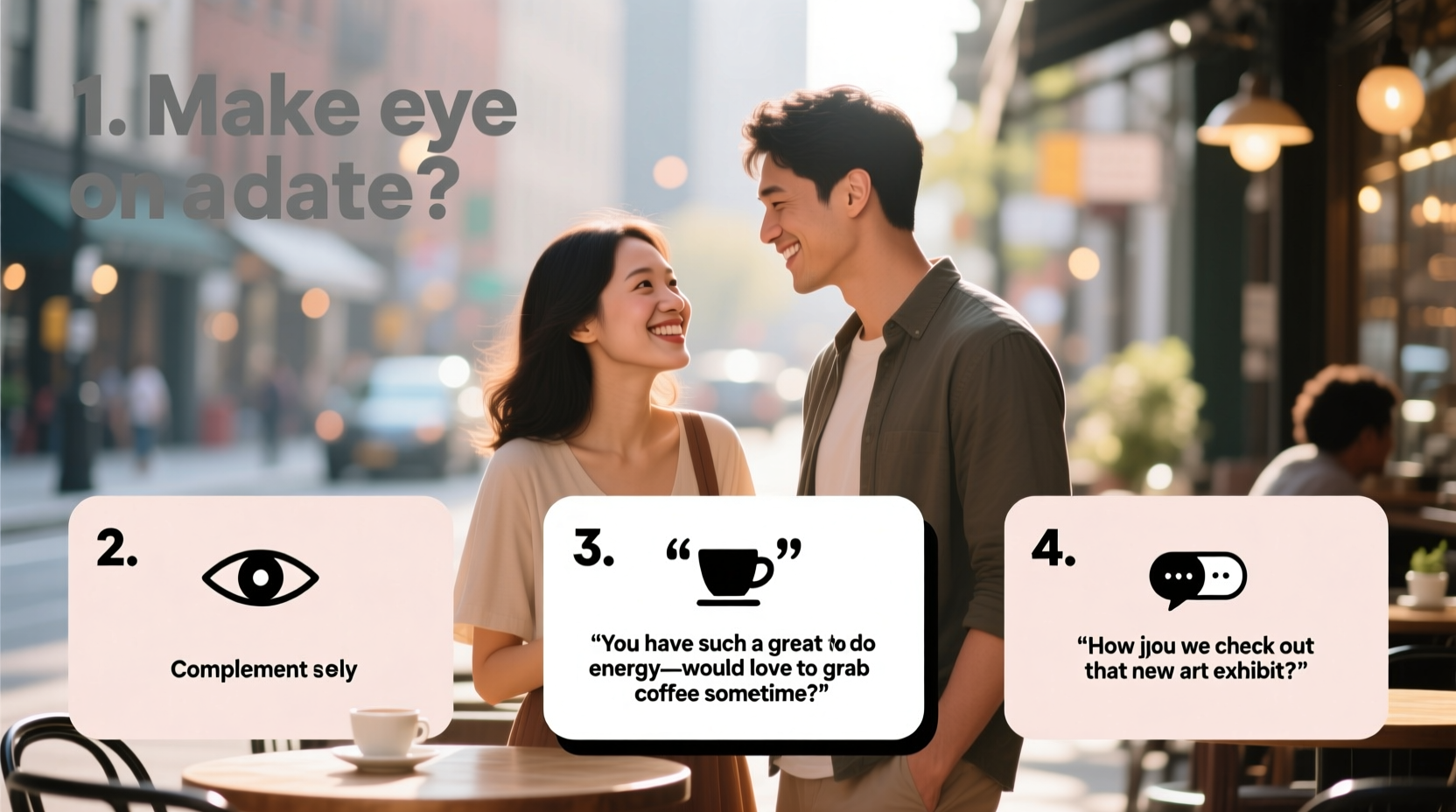
Confidence isn’t about being loud or flashy—it’s about self-assurance and clarity. When you speak with conviction, you signal that you value yourself and your intentions. Courtesy, on the other hand, shows that you respect the other person’s boundaries, feelings, and autonomy. Together, these qualities create an environment where a meaningful interaction can flourish, regardless of the outcome.
According to Dr. Laura Mitchell, a relationship psychologist, “People respond more positively to invitations that are sincere, respectful, and free of pressure. Confidence without arrogance, paired with genuine kindness, is the foundation of successful romantic outreach.”
“Confidence invites attention. Courtesy earns respect. Combine them, and you create space for authentic connection.” — Dr. Laura Mitchell, Relationship Psychologist
The Step-by-Step Approach to Asking Someone Out
Success doesn’t come from luck—it comes from preparation and execution. Follow this structured process to increase your odds of a favorable reply.
- Assess the Connection Level: Before asking someone out, evaluate whether there’s already some rapport. Have you had multiple conversations? Do they engage with you willingly? A simple smile or brief chat isn’t enough. Look for signs of mutual interest—initiated messages, lingering eye contact, or personal questions.
- Choose the Right Setting: Timing and location matter. Avoid public confrontations or high-pressure environments. Instead, opt for a relaxed, private moment—after a shared activity, during a casual coffee break, or in a quiet corner at a social event.
- Start with a Warm-Up Statement: Ease into the request. Say something like, “I’ve really enjoyed our conversations lately,” or “I always look forward to seeing you at book club.” This sets a positive tone and frames your intent kindly.
- Make the Ask Clear and Specific: Vague invitations like “We should hang out sometime” rarely lead anywhere. Be specific: “Would you like to grab dinner with me this Friday at that Italian place downtown?” Specificity shows thoughtfulness and reduces ambiguity.
- Offer an Easy Out: Courteous phrasing includes room for refusal without awkwardness. Add: “No pressure at all—I totally understand if you’re busy or not interested.” This removes obligation and makes the person feel safe.
- Accept the Response Gracefully: Whether the answer is yes or no, respond with composure. If yes, confirm details warmly. If no, smile and say, “Thanks for being honest—I appreciate it,” then shift the conversation naturally.
Do’s and Don’ts When Asking for a Date
| Do’s | Don’ts |
|---|---|
| Be clear and direct about your intentions | Use vague language like “hang out” without context |
| Choose a low-pressure setting | Ambush someone in front of others |
| Listen actively to their response | Persist after a “no” or try to negotiate |
| Show appreciation for their time | React negatively or sulk if declined |
| Suggest a concrete plan (time, place, activity) | Ask last-minute without consideration |
Real-Life Example: How Mark Turned Nervous Energy Into Success
Mark had been attending weekly trivia nights at a local café for months. He noticed Sarah, who was always sharp, funny, and engaged in conversation. After several weeks of light banter and group chats, he decided to act—but he was nervous. Instead of overthinking, he followed the steps above.
One evening after trivia ended, he waited until most people had left, then approached her calmly. “Hey Sarah, I’ve really enjoyed talking with you each week. Would you be open to grabbing coffee this Saturday morning? There’s a great spot near the park I think you’d like.”
He paused, smiled, and added, “Totally fine if you’re not up for it—I just wanted to ask.”
Sarah smiled and said she’d love to. They met the next weekend, had a relaxed and enjoyable conversation, and went on to have several more dates. What made the difference? Clarity, timing, and respect. Mark didn’t pressure her, didn’t make it dramatic, and showed he valued her comfort.
Essential Checklist Before You Ask
Before initiating the conversation, run through this checklist to ensure you're prepared:
- ✅ There’s existing rapport—more than just polite exchanges
- ✅ You know a bit about their interests or schedule
- ✅ You’ve chosen a comfortable, private setting
- ✅ Your invitation includes a specific plan (date, time, place)
- ✅ You’re emotionally ready to accept either answer
- ✅ You’ve rehearsed your wording to sound natural, not robotic
Frequently Asked Questions
What if I get rejected?
Rejection is part of human interaction, not a reflection of your worth. A graceful response preserves dignity and respect. Say thank you, maintain your composure, and continue treating the person normally. Often, the discomfort fades quickly on both sides.
Should I text or ask in person?
In person is generally better—it allows for tone, facial expressions, and immediate feedback. However, if you interact primarily online or live far apart, a well-worded message is acceptable. Just avoid cold DMs with no prior engagement.
How long should I wait before asking someone out?
There’s no fixed timeline, but aim for at least 3–5 meaningful interactions. This could be over a few days or weeks, depending on context. Rushing can feel overwhelming; waiting too long may cause missed opportunities. Trust your instincts based on the connection’s rhythm.
Final Thoughts: Take the Leap with Purpose
Asking someone out doesn’t require perfection—just courage, clarity, and kindness. Confidence draws people in; courtesy keeps the interaction respectful and dignified. When you combine the two, you create a moment that honors both yourself and the other person, regardless of the outcome.
Every meaningful relationship starts with a single, brave action. Whether it leads to a date, a friendship, or simply a moment of mutual recognition, you gain something valuable: experience, growth, and the knowledge that you showed up authentically.




 浙公网安备
33010002000092号
浙公网安备
33010002000092号 浙B2-20120091-4
Comments
No comments yet. Why don't you start the discussion?