
Constant gagging can be more than just an occasional annoyance—it can disrupt meals, conversations, and even sleep. While everyone gags from time to time, persistent or unexplained episodes may point to underlying health issues, environmental triggers, or behavioral patterns. Understanding what drives this reflex and how to manage it empowers individuals to regain control over their comfort and quality of life.
The gag reflex is a natural protective mechanism designed to prevent choking. However, when it activates too easily or frequently without cause, it becomes problematic. This article explores the most common causes of chronic gagging, evidence-based relief methods, and long-term prevention strategies backed by medical insight and real-world experience.
Common Causes of Constant Gagging
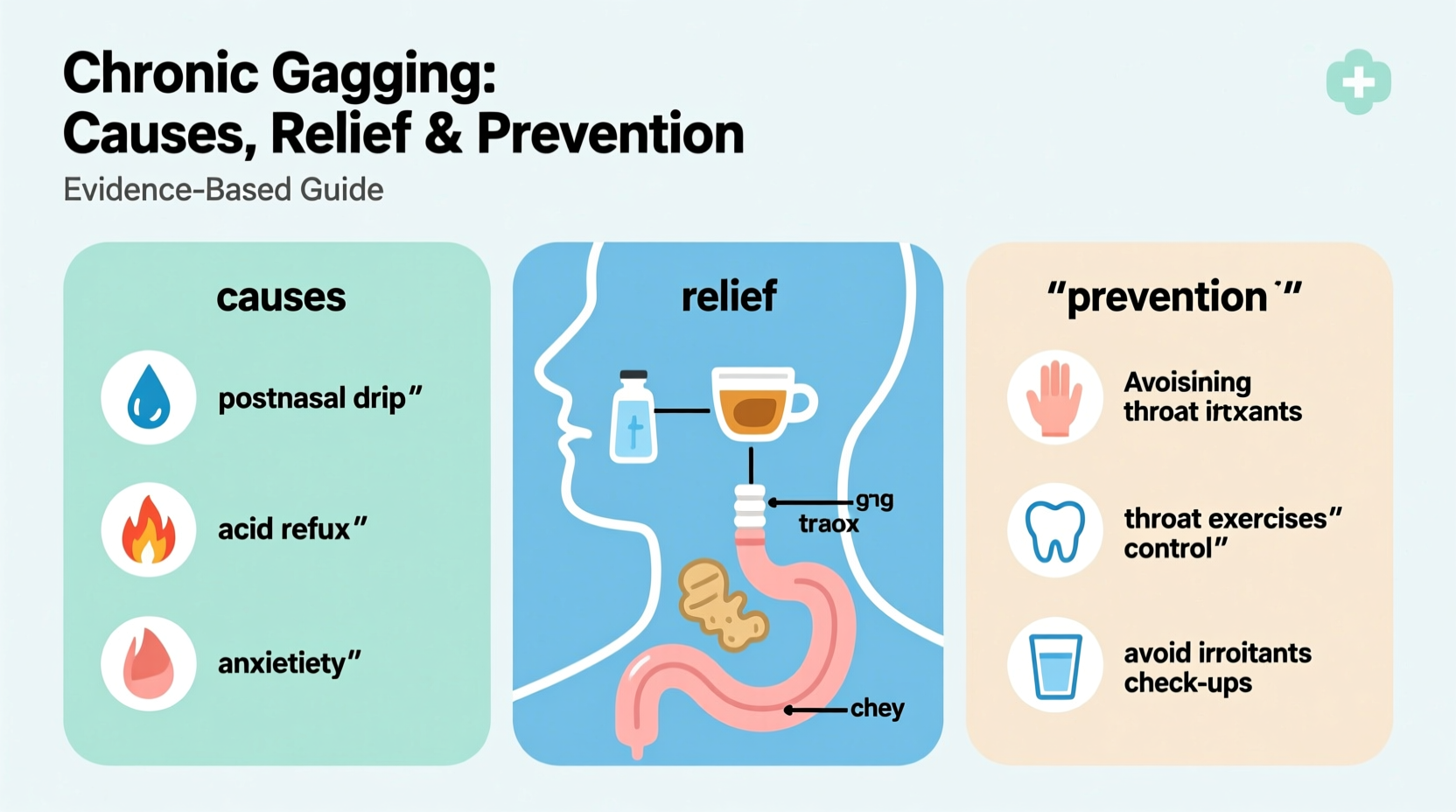
Gagging isn’t always about food going down the wrong way. Persistent episodes often stem from physiological, psychological, or environmental factors. Identifying the root cause is essential for effective treatment.
- Gastroesophageal Reflux Disease (GERD): Stomach acid backing up into the esophagus can irritate the throat and trigger a gag reflex, especially when lying down or after eating.
- Postnasal Drip: Excess mucus from allergies, colds, or sinus infections drips down the back of the throat, stimulating the gag response.
- Anxiety and Stress: High stress levels can heighten sensitivity in the throat and digestive tract, making the gag reflex more reactive.
- Dental Work or Oral Sensitivity: Dental appliances, dentures, or procedures involving the mouth can temporarily increase gag sensitivity.
- Pregnancy: Hormonal changes, particularly increased estrogen, can amplify nausea and gagging, especially during the first trimester.
- Neurological Conditions: Disorders like Parkinson’s disease or multiple sclerosis may affect muscle control in the throat, leading to frequent gagging.
- Chronic Throat Irritation: Smoking, dry air, or exposure to chemical fumes can inflame the throat lining and provoke gagging.
“Patients with persistent gagging often have undiagnosed reflux or anxiety components. A thorough evaluation helps us distinguish between physical and psychological contributors.” — Dr. Lena Patel, Otolaryngologist
Immediate Relief Strategies
When gagging strikes, quick interventions can reduce discomfort and prevent escalation into vomiting or panic. These techniques are particularly useful for situational triggers such as dental visits, strong odors, or sudden nausea.
Breathing Techniques
Controlled breathing calms the nervous system and reduces the intensity of the gag reflex. Try this method:
- Inhale slowly through the nose for four counts.
- Hold the breath for four counts.
- Exhale gently through pursed lips for six to eight counts.
- Repeat for one to two minutes until symptoms subside.
Throat Numbing Methods
For temporary relief during dental work or swallowing difficulties, consider using over-the-counter oral numbing sprays (e.g., benzocaine). Use sparingly and only as directed to avoid desensitizing the airway excessively.
Distraction and Focus
Mental redirection can interrupt the gag cycle. Focusing on counting backward from 100, reciting a poem, or visualizing a calming scene helps shift attention away from throat sensations.
Long-Term Prevention Approaches
Preventing constant gagging involves addressing both lifestyle habits and potential medical conditions. A proactive approach reduces recurrence and improves overall well-being.
Treat Underlying Health Conditions
If GERD, allergies, or anxiety are contributing, treating the primary condition often resolves secondary symptoms like gagging. For example:
- Use antacids or proton pump inhibitors under medical supervision for acid reflux.
- Manage allergies with nasal corticosteroids or antihistamines.
- Seek therapy or medication for anxiety disorders that exacerbate physical symptoms.
Improve Oral Hygiene and Dental Comfort
Regular brushing, flossing, and tongue scraping reduce bacterial buildup that can contribute to postnasal drip and throat irritation. If dental work triggers gagging, discuss sedation options or desensitization techniques with your dentist.
Environmental Adjustments
Eliminate irritants such as cigarette smoke, strong perfumes, or cleaning chemicals. Use a humidifier in dry environments to keep mucous membranes moist and less sensitive.
Step-by-Step Guide to Managing Chronic Gagging
Follow this structured plan to assess, address, and overcome persistent gagging:
- Track Symptoms (Days 1–7): Record each episode including time, possible triggers, duration, and associated symptoms (e.g., heartburn, mucus, anxiety).
- Review Lifestyle Factors: Evaluate diet, hydration, sleep, and stress levels. Eliminate known irritants like spicy foods, alcohol, or caffeine if linked to symptoms.
- Try Home Remedies: Use saline nasal rinses for postnasal drip, practice breathing exercises, and maintain upright posture after meals to reduce reflux.
- Consult a Healthcare Provider: Schedule an appointment if symptoms persist beyond two weeks or interfere with eating and sleeping.
- Follow Medical Advice: Adhere to prescribed treatments such as medications, allergy testing, or referrals to specialists (ENT, gastroenterologist, psychologist).
- Implement Preventive Habits: Continue monitoring, adjust environment, and maintain open communication with your care team.
Do’s and Don’ts: Managing Gagging Triggers
| Action | Recommendation |
|---|---|
| Do stay upright after eating | Reduces risk of acid reflux triggering gagging |
| Do use a saline nasal spray daily | Helps clear mucus and soothe irritated nasal passages |
| Do practice mindfulness or meditation | Lowers anxiety-related throat sensitivity |
| Don’t lie down immediately after meals | Increases chance of stomach acid rising into the throat |
| Don’t ignore chronic symptoms | Prolonged gagging may indicate a treatable condition needing diagnosis |
| Don’t overuse numbing agents | Can impair protective reflexes and lead to aspiration risks |
Real-Life Example: Overcoming Postnasal Drip-Induced Gagging
Sarah, a 34-year-old teacher, began experiencing frequent morning gagging accompanied by a persistent tickle in her throat. She initially attributed it to poor sleep but noticed it worsened during spring. After tracking her symptoms, she realized episodes spiked on high-pollen days and were worse at night. A visit to an allergist confirmed seasonal allergic rhinitis.
With prescribed nasal steroids and nightly saline rinses, Sarah’s postnasal drip diminished within three weeks. Her gagging frequency dropped from nearly daily to once every few weeks. “I didn’t realize how much my allergies were affecting my throat,” she said. “Simple changes made a huge difference.”
Frequently Asked Questions
Can dehydration cause constant gagging?
Yes. Dehydration thickens mucus, increasing postnasal drip and throat irritation. Staying well-hydrated helps keep secretions thin and less likely to trigger the gag reflex.
Is constant gagging ever a sign of something serious?
While usually benign, persistent gagging can sometimes signal conditions like esophageal strictures, neurological disorders, or tumors in rare cases. Seek medical evaluation if it's accompanied by weight loss, difficulty swallowing, or voice changes lasting more than a few weeks.
Can children outgrow a sensitive gag reflex?
Many children do. As oral motor skills develop, especially during early childhood, the gag reflex typically moves further back in the mouth, reducing sensitivity. Speech therapists can help with feeding difficulties related to hypersensitivity.
Final Thoughts and Action Steps
Constant gagging is more than a reflex—it’s a signal. Whether rooted in physical health, emotional state, or environmental exposure, it deserves attention. Relief begins with awareness: recognizing patterns, removing irritants, and seeking professional guidance when needed.
Start today by observing your triggers, adjusting your habits, and taking small steps toward better throat and digestive health. Most causes are manageable with consistent effort and informed choices.




 浙公网安备
33010002000092号
浙公网安备
33010002000092号 浙B2-20120091-4
Comments
No comments yet. Why don't you start the discussion?