
Nausea is a familiar sensation—many people experience it occasionally due to motion sickness, overeating, or stress. But when nausea becomes constant or recurrent, it may signal an underlying health issue that requires attention. Unlike occasional queasiness, persistent nausea can interfere with daily life, affect nutrition, and indicate conditions ranging from gastrointestinal disorders to neurological problems. Understanding the potential causes, recognizing associated symptoms, and knowing when to consult a healthcare provider are essential steps toward effective management.
Common Causes of Constant Nausea
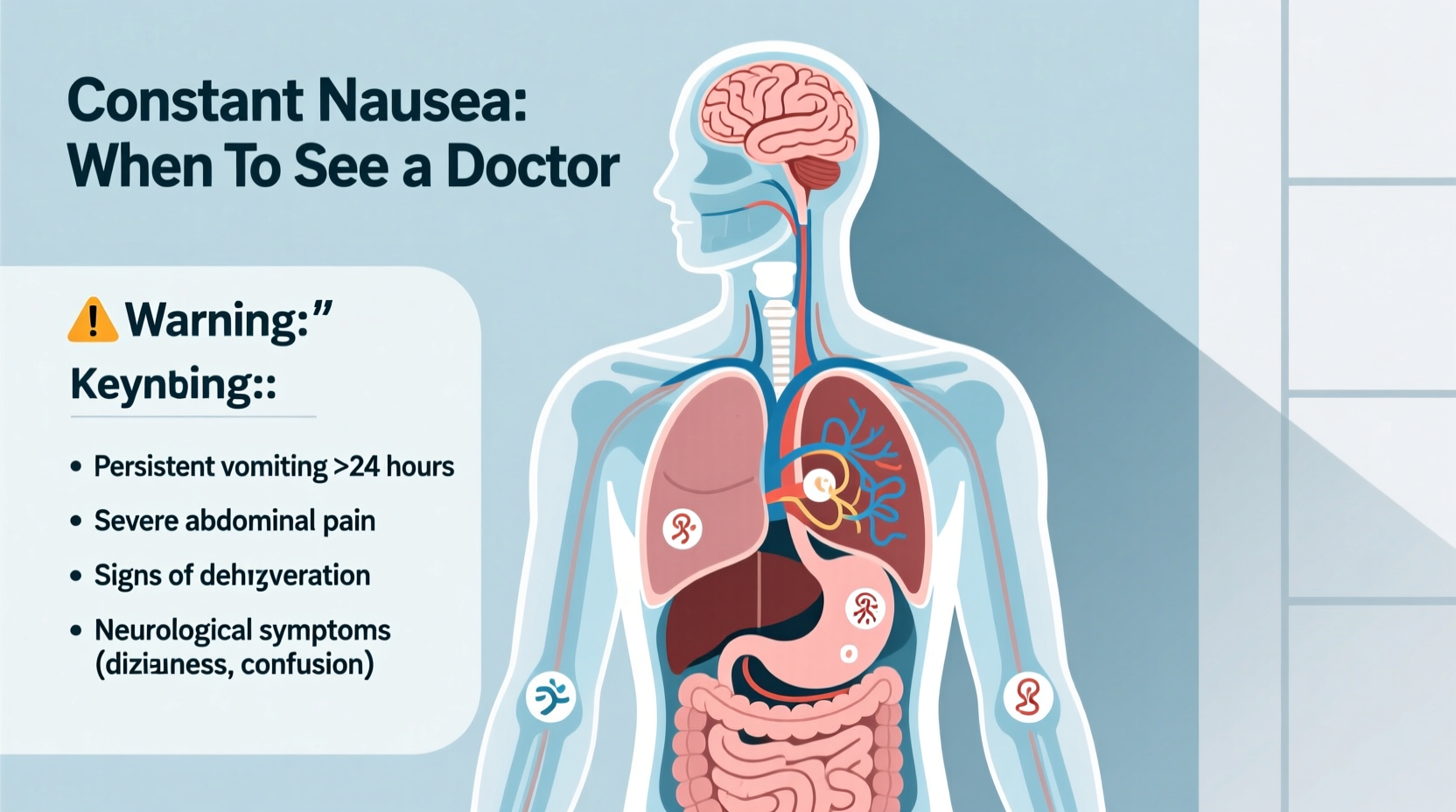
Constant nausea rarely exists in isolation. It typically accompanies other symptoms and stems from a variety of physiological or psychological sources. Identifying the root cause is crucial for proper treatment.
- Gastrointestinal disorders: Conditions like gastroesophageal reflux disease (GERD), gastritis, peptic ulcers, irritable bowel syndrome (IBS), and gastroparesis (delayed stomach emptying) frequently lead to ongoing nausea, especially after eating.
- Pregnancy: Morning sickness affects up to 80% of pregnant individuals, often occurring in the first trimester. In some cases, it persists or worsens, leading to hyperemesis gravidarum, which requires medical intervention.
- Migraines: Vestibular migraines or abdominal migraines can manifest primarily as nausea without severe headache, particularly in children and some adults.
- Medication side effects: Chemotherapy, opioids, antibiotics, and certain antidepressants are known to induce nausea as a side effect.
- Inner ear disorders: Conditions such as Meniere’s disease or vestibular neuritis disrupt balance and commonly trigger chronic nausea and dizziness.
- Metabolic and endocrine issues: Liver disease, kidney failure, Addison’s disease, and uncontrolled diabetes can all present with persistent nausea.
- Psychological factors: Anxiety, depression, and chronic stress can manifest physically, including through prolonged nausea via the gut-brain axis.
Symptoms That Accompany Chronic Nausea
While nausea itself is uncomfortable, associated symptoms help narrow down possible causes. Pay close attention to patterns and severity.
| Symptom | Possible Implication |
|---|---|
| Vomiting, especially bile or blood | Possible obstruction, gastritis, or ulcer; requires urgent evaluation |
| Abdominal pain or bloating | Digestive disorders like IBS, gallbladder disease, or pancreatitis |
| Dizziness or vertigo | Inner ear or neurological condition |
| Weight loss or appetite changes | Chronic illness, cancer, or malabsorption |
| Fatigue and confusion | Metabolic imbalance such as liver or kidney dysfunction |
| Headaches with visual disturbances | Potential migraine variant |
“Persistent nausea should never be dismissed as ‘just stress’ or ‘something I ate.’ When it lasts beyond a few days or recurs frequently, it’s a signal from the body that something needs investigation.” — Dr. Lena Patel, Gastroenterologist
When to See a Doctor
Occasional nausea usually resolves on its own. However, constant or worsening nausea warrants medical evaluation, especially if it interferes with hydration, nutrition, or daily functioning.
Red Flags Requiring Immediate Attention
- Severe vomiting lasting more than 24 hours
- Inability to keep liquids down for over 12 hours
- Vomiting blood (resembling coffee grounds) or greenish bile
- Chest pain or shortness of breath alongside nausea
- Signs of dehydration: dry mouth, dark urine, dizziness upon standing
- High fever accompanying nausea
- Sudden, severe headache or neck stiffness
If you experience any of these symptoms, seek emergency care. They may indicate serious conditions such as intestinal blockage, heart attack, meningitis, or pancreatitis.
Routine Medical Evaluation
Schedule a non-emergency appointment if nausea:
- Persists for more than one week without clear cause
- Occurs regularly after meals or at specific times
- Is accompanied by unexplained weight loss
- Worsens with certain foods or activities
- Affects sleep or mental well-being
Diagnosis and Treatment Pathways
Diagnosing the cause of constant nausea involves a thorough review of medical history, medication use, dietary habits, and psychological health. A physical exam will assess for abdominal tenderness, signs of infection, or neurological abnormalities.
Step-by-Step Diagnostic Process
- Initial consultation: Discuss symptom duration, triggers, and associated complaints.
- Laboratory tests: Blood work to check liver, kidney, thyroid, and electrolyte function.
- Imaging: Ultrasound for gallbladder or liver issues; upper endoscopy for stomach lining evaluation.
- Motion and balance testing: If vertigo is present, vestibular function tests may be performed.
- Psychological screening: Anxiety and depression assessments if no organic cause is found.
Treatment depends entirely on the diagnosis. For example:
- Gastroparesis may require dietary changes and prokinetic medications.
- Migraine-related nausea is often managed with triptans or preventive therapy.
- Anxiety-induced nausea may improve with cognitive behavioral therapy (CBT) or SSRIs.
Real-Life Example: Sarah’s Experience with Persistent Nausea
Sarah, a 34-year-old teacher, began experiencing daily nausea six weeks after a bout of food poisoning. Initially, she assumed her stomach hadn’t fully recovered. She avoided fatty foods and tried ginger tea, but the nausea persisted, especially after breakfast. Over time, she lost eight pounds unintentionally and started feeling lightheaded.
After two months, she consulted a gastroenterologist. Blood tests revealed low sodium and cortisol levels. Further evaluation diagnosed Addison’s disease—an autoimmune disorder affecting adrenal hormone production. With hormone replacement therapy, her nausea resolved within three weeks. Sarah’s case illustrates how non-digestive conditions can present primarily with gastrointestinal symptoms.
Practical Checklist for Managing and Responding to Constant Nausea
Use this checklist to monitor symptoms and prepare for a medical consultation:
- ✅ Track nausea episodes: time of day, duration, intensity (scale 1–10)
- ✅ Record food, drink, and medication intake 24 hours before each episode
- ✅ Note associated symptoms: pain, dizziness, vomiting, mood changes
- ✅ Monitor hydration: aim for pale yellow urine
- ✅ Avoid self-diagnosing with online searches; bring findings to a professional
- ✅ Schedule a doctor’s visit if symptoms persist beyond 7 days or worsen
Frequently Asked Questions
Can anxiety really cause constant nausea?
Yes. The gut and brain are closely linked through the vagus nerve and neurotransmitters like serotonin. Chronic anxiety can increase stomach acid, slow digestion, and heighten sensitivity to normal digestive processes, leading to persistent nausea. Treating the underlying anxiety often alleviates the symptom.
Is it normal to feel nauseous every morning?
For some, yes—especially during pregnancy or with acid reflux that worsens overnight. However, if morning nausea continues for weeks without explanation, it should be evaluated. Conditions like gastroparesis or liver dysfunction can cause fasting nausea.
What over-the-counter options help with constant nausea?
Antacids or H2 blockers (like famotidine) may help if acid reflux is the cause. Dramamine or meclizine can reduce motion-related or vestibular nausea. However, OTC remedies are not suitable for long-term use without diagnosis. Prolonged reliance may mask serious conditions.
Take Control of Your Health
Constant nausea is more than an inconvenience—it’s a message from your body that deserves attention. Whether rooted in diet, medication, emotional health, or a medical condition, identifying the cause is the first step toward relief. You don’t have to endure daily discomfort in silence. By tracking symptoms, recognizing warning signs, and seeking timely medical advice, you can regain control of your well-being.




 浙公网安备
33010002000092号
浙公网安备
33010002000092号 浙B2-20120091-4
Comments
No comments yet. Why don't you start the discussion?