
Sneezing is a natural reflex designed to clear irritants from the nasal passages, but when it becomes frequent or persistent, it can disrupt daily life, affect sleep, and signal an underlying health issue. While occasional sneezing is normal, constant sneezing—defined as repeated episodes throughout the day or over several days—often points to environmental, allergic, or physiological triggers. Understanding the root causes and knowing how to respond effectively can make a significant difference in managing discomfort and improving quality of life.
Allergic Rhinitis: The Leading Cause
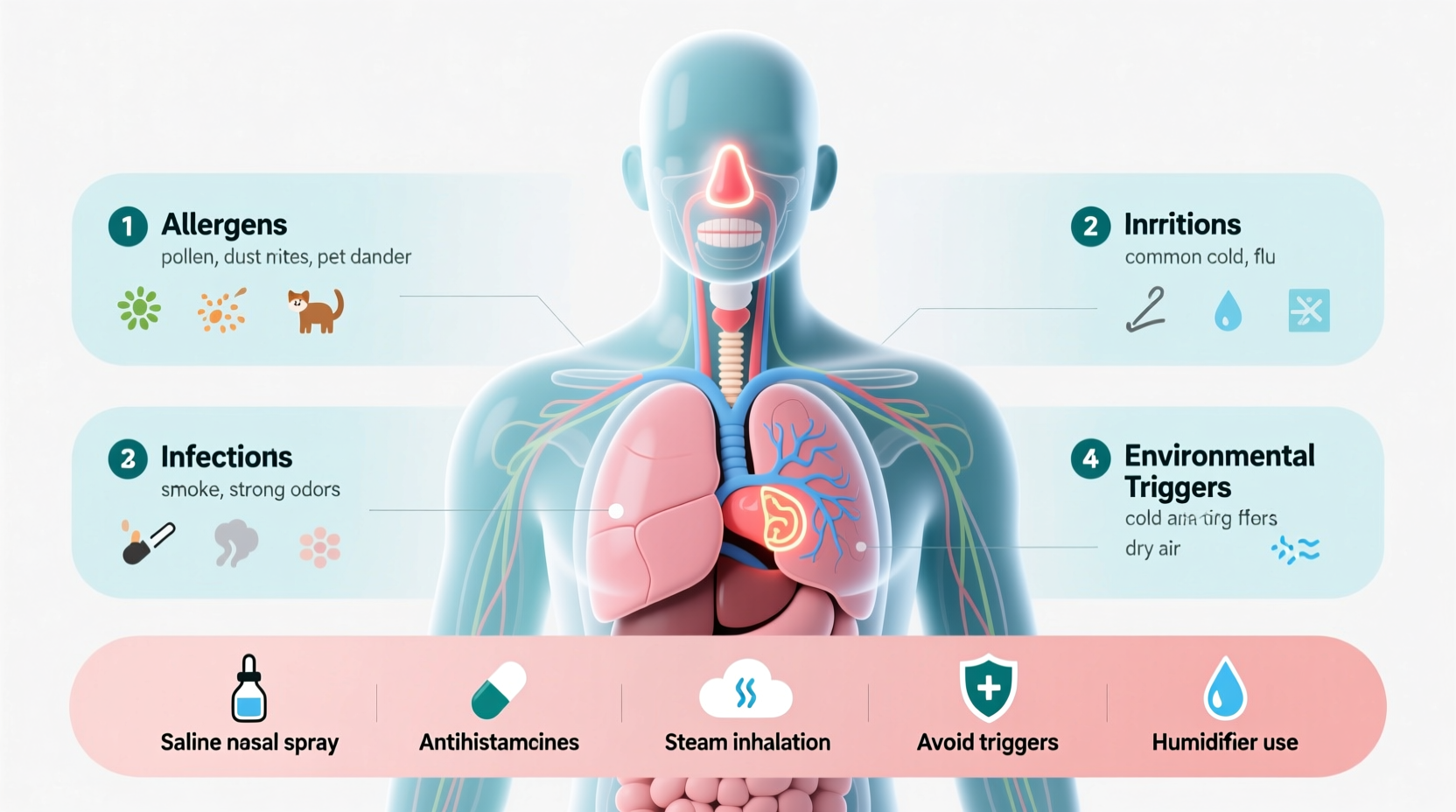
Allergic rhinitis, commonly known as hay fever, is one of the most frequent reasons for persistent sneezing. It occurs when the immune system overreacts to airborne allergens such as pollen, dust mites, mold spores, or pet dander. When these particles enter the nasal passages, the body releases histamine, triggering inflammation and irritation that leads to sneezing, runny nose, and itchy eyes.
Seasonal allergic rhinitis typically flares up during spring and fall due to high pollen counts, while perennial allergic rhinitis persists year-round, often caused by indoor allergens like dust or pet saliva.
Non-Allergic Triggers and Irritants
Not all constant sneezing is allergy-related. Many non-allergic factors can provoke the same response. These include:
- Strong odors: Perfumes, cleaning products, cigarette smoke, and air fresheners can irritate sensitive nasal passages.
- Temperature changes: Sudden shifts from warm to cold environments may trigger sneezing, especially upon stepping outside in winter.
- Bright light: Some people experience photic sneeze reflex—a genetic trait where exposure to bright sunlight induces sneezing.
- Dry air: Low humidity, particularly in heated indoor spaces during winter, can dry out nasal membranes and cause irritation.
- Spicy foods: Capsaicin in chili peppers can stimulate nerve endings in the nose, leading to the \"gustatory sneeze.\"
“Sneezing is a protective mechanism, but chronic episodes often indicate ongoing exposure to triggers that can be modified with awareness and simple lifestyle adjustments.” — Dr. Lena Patel, ENT Specialist
Underlying Medical Conditions
Persistent sneezing may also stem from medical conditions beyond allergies. Recognizing these can guide appropriate treatment:
- Viral infections: Common colds and flu viruses frequently begin with sneezing as the body attempts to expel pathogens.
- Sinusitis: Inflammation or infection of the sinuses can lead to postnasal drip and chronic nasal irritation.
- Medication side effects: Nasal sprays (especially overuse of decongestants), blood pressure medications, and certain antidepressants may cause rhinitis medicamentosa or drug-induced rhinitis.
- Hormonal changes: Pregnancy, menstruation, or thyroid imbalances can influence nasal congestion and sensitivity.
- Structural issues: A deviated septum or nasal polyps can obstruct airflow and increase irritation, prompting frequent sneezing.
Effective Relief Strategies
Managing constant sneezing involves identifying triggers and applying targeted interventions. The following strategies offer both immediate relief and long-term prevention.
Environmental Control Measures
Reducing exposure to irritants is foundational. Focus on creating a low-allergen environment at home and work:
- Use HEPA air purifiers to filter airborne particles.
- Wash bedding weekly in hot water to eliminate dust mites.
- Replace HVAC filters regularly and consider using allergen-trapping furnace filters.
- Avoid carpeting in bedrooms; opt for hard flooring that traps fewer allergens.
- Keep pets out of sleeping areas if allergic to dander.
Medical and Over-the-Counter Treatments
Depending on the cause, various treatments can alleviate symptoms:
| Treatment Type | Best For | Common Examples | Notes |
|---|---|---|---|
| Antihistamines | Allergic rhinitis | Claritin, Zyrtec, Allegra | Reduce histamine release; newer versions are non-drowsy. |
| Nasal corticosteroids | Chronic inflammation | Flonase, Nasacort | Most effective for long-term control; take days to reach full effect. |
| Decongestants | Short-term congestion | Sudafed, Afrin (nasal spray) | Avoid prolonged use of nasal sprays to prevent rebound congestion. |
| Saline rinses | Irritant removal | Neti pot, saline sprays | Safe for daily use; flushes allergens and mucus from nasal passages. |
Lifestyle Adjustments
Daily habits play a crucial role in minimizing triggers:
Step-by-Step Guide to Managing Constant Sneezing
Follow this practical timeline to identify causes and implement solutions:
- Week 1: Track Symptoms
Keep a journal noting when sneezing occurs, potential triggers (e.g., after vacuuming, near pets, outdoors), and associated symptoms (runny nose, fatigue). - Week 2: Reduce Exposure
Clean bedding, install air filters, remove strong scents, and avoid known irritants based on your log. - Week 3: Begin Treatment
Start a non-drowsy antihistamine or nasal saline rinse. If symptoms persist, try a steroid nasal spray under pharmacist guidance. - Week 4: Evaluate and Consult
If no improvement, schedule an appointment with an allergist for testing and personalized recommendations.
Mini Case Study: Sarah’s Springtime Struggle
Sarah, a 34-year-old teacher, experienced relentless sneezing every April, accompanied by watery eyes and fatigue. Initially dismissing it as a lingering cold, she found relief only after tracking her symptoms and noticing a pattern: worse on windy days and after gardening. An allergist confirmed a severe sensitivity to tree pollen and grass. With a combination of daily Flonase, wearing sunglasses outdoors, and keeping windows closed, her symptoms decreased by over 80% within three weeks. This case illustrates how observation and targeted intervention can transform daily comfort.
Prevention Checklist
Use this checklist to minimize the risk of constant sneezing:
- ☑ Check daily pollen counts and limit outdoor time when high
- ☑ Use allergen-proof covers on pillows and mattresses
- ☑ Vacuum with a HEPA-filter vacuum cleaner weekly
- ☑ Avoid rubbing eyes or touching face after being outdoors
- ☑ Wash hands frequently, especially after pet contact
- ☑ Replace air filters every 1–3 months
- ☑ Stay hydrated to keep mucous membranes moist
- ☑ Consult a doctor if symptoms last more than two weeks
Frequently Asked Questions
Can dehydration cause sneezing?
Dehydration itself doesn’t directly cause sneezing, but it can dry out nasal passages, making them more sensitive to irritants and increasing the likelihood of sneezing. Staying well-hydrated helps maintain healthy mucous membranes.
Is it harmful to suppress a sneeze?
While occasionally holding in a sneeze is generally safe, doing so regularly can increase pressure in the ears and sinuses, potentially leading to ear pain or even eardrum damage. It’s better to sneeze freely into a tissue or elbow.
Why do I sneeze more in the morning?
Morning sneezing is common due to increased exposure to bedroom allergens (dust mites, pet dander) after hours of close contact. Additionally, lying down allows mucus to pool, which irritates nasal passages upon standing.
Take Control of Your Comfort
Constant sneezing is more than just a nuisance—it can impact concentration, sleep, and social interactions. By understanding the causes, whether allergic, environmental, or medical, and applying evidence-based relief strategies, you can regain control. Small changes in your environment, consistent use of effective treatments, and timely medical consultation can dramatically reduce symptoms. Don’t accept endless sneezing as normal. Take action today to breathe easier and live more comfortably.




 浙公网安备
33010002000092号
浙公网安备
33010002000092号 浙B2-20120091-4
Comments
No comments yet. Why don't you start the discussion?