
If you’ve found yourself asking, “Why do I keep getting UTIs?” you’re not alone. Urinary tract infections affect millions of people each year, with many experiencing recurrent episodes—defined as two or more infections within six months or three in a year. While occasional UTIs can happen to anyone, constant infections signal an underlying issue that needs attention. Understanding the root causes, risk factors, and prevention strategies is essential for long-term relief.
Understanding Recurrent UTIs: What’s Really Happening?
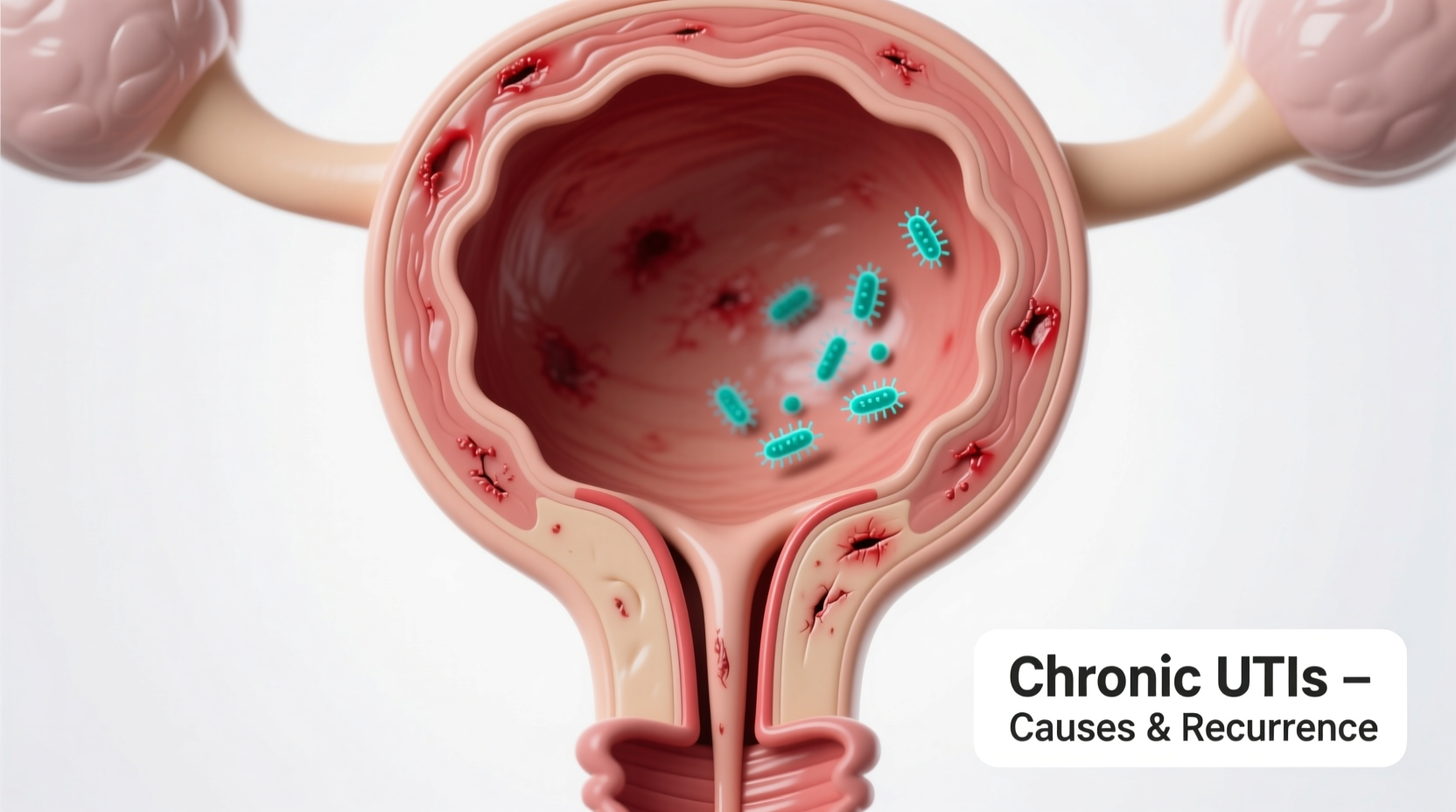
A urinary tract infection occurs when bacteria, most commonly Escherichia coli (E. coli), enter the urethra and travel up into the bladder. Symptoms include frequent urination, burning sensation during urination, cloudy or strong-smelling urine, and pelvic discomfort. When these infections recur frequently, it may indicate incomplete treatment, reinfection, or persistent bacterial colonization.
Recurrent UTIs fall into two categories: relapse and reinfection. A relapse happens when the same strain of bacteria returns shortly after treatment, often due to inadequate antibiotic duration or resistance. Reinfection involves a new bacterial strain, typically introduced through hygiene habits, sexual activity, or anatomical factors.
Common Causes Behind Constant UTIs
Several interrelated factors contribute to recurring urinary tract infections. Identifying which apply to you is the first step toward effective prevention.
- Anatomical Factors: Women are at higher risk due to a shorter urethra, which allows bacteria easier access to the bladder.
- Sexual Activity: Intercourse can introduce bacteria into the urinary tract. This is sometimes referred to as \"honeymoon cystitis.\"
- Hormonal Changes: Menopause leads to decreased estrogen levels, thinning the urethral and vaginal tissues and reducing natural defenses.
- Urinary Retention: Incomplete bladder emptying—due to conditions like pelvic organ prolapse or nerve damage—creates a breeding ground for bacteria.
- Birth Control Methods: Spermicides and diaphragms may alter vaginal flora and increase susceptibility.
- Underlying Health Conditions: Diabetes, kidney stones, or immune system disorders can impair the body's ability to fight off infection.
“Recurrent UTIs aren’t just bad luck—they’re often a sign of modifiable behaviors or overlooked medical conditions.” — Dr. Lena Patel, Urologist at Boston Women’s Health Center
Prevention Checklist: 7 Actionable Steps You Can Take Today
While some risk factors like anatomy or genetics can’t be changed, many triggers are within your control. Use this checklist to reduce your risk:
- Wipe front to back after using the bathroom to prevent anal bacteria from reaching the urethra.
- Urinate immediately after sexual intercourse to flush out any introduced bacteria.
- Stay well-hydrated throughout the day to promote regular urine flow and discourage bacterial growth.
- Avoid irritants such as scented soaps, douches, and feminine sprays near the genital area.
- Consider switching birth control methods if you use spermicides or diaphragms regularly.
- Incorporate cranberry supplements or D-mannose, which may help prevent bacterial adhesion in the bladder (consult your doctor first).
- Maintain good blood sugar control if you have diabetes.
When to See a Specialist: Red Flags and Next Steps
Occasional UTIs can be managed with prompt treatment, but constant infections warrant deeper investigation. If you experience any of the following, consult a urologist or urogynecologist:
- Three or more UTIs per year
- Symptoms persist despite antibiotic treatment
- Fever, chills, or flank pain—signs the infection may have reached the kidneys
- Blood in urine without infection
- History of kidney stones or urinary tract abnormalities
Specialists may recommend diagnostic tests such as urine cultures, post-void residual measurements, cystoscopy, or imaging studies to rule out structural issues or chronic reservoirs of infection.
Real Example: Sarah’s Journey to Fewer UTIs
Sarah, a 34-year-old teacher, had suffered from UTIs since college. Initially, she treated each episode with antibiotics prescribed by her primary care provider. Over five years, she averaged four infections annually. After her third UTI in eight months, she consulted a urologist. Testing revealed low estrogen levels due to perimenopause and mild bladder prolapse causing incomplete emptying. With topical vaginal estrogen and pelvic floor therapy, Sarah reduced her UTI frequency to one mild episode in the next 18 months. Her case highlights how treating root causes—not just symptoms—leads to lasting improvement.
Do’s and Don’ts: Managing Recurrent UTIs
| Do | Don’t |
|---|---|
| Drink plenty of water daily (at least 6–8 glasses) | Hold in urine for long periods |
| Use unscented, gentle soap for intimate hygiene | Use douches or vaginal deodorants |
| Wear cotton underwear and loose-fitting clothes | Wear tight synthetic underwear or wet workout clothes for hours |
| Take probiotics containing Lactobacillus strains | Rely solely on cranberry juice (often high in sugar) |
| Follow up with a specialist for recurrent cases | Self-diagnose or skip prescribed treatments |
Emerging Strategies and Long-Term Management
For individuals plagued by constant UTIs, traditional antibiotics alone may not suffice. Emerging approaches offer alternative or complementary solutions:
- Prophylactic Antibiotics: Low-dose antibiotics taken daily or post-intercourse can prevent recurrence under medical supervision.
- Vaginal Estrogen Therapy: Especially beneficial for postmenopausal women, restoring healthy vaginal pH and flora.
- D-Mannose Supplements: A natural sugar that may prevent E. coli from adhering to bladder walls.
- Probiotics: Oral or vaginal formulations with Lactobacillus help maintain a protective microbial balance.
- Immunotherapy Vaccines: Still under research, but promising for boosting immune response against common UTI pathogens.
These interventions should always be discussed with a healthcare provider to ensure safety and appropriateness based on your health history.
FAQ: Your Top Questions Answered
Can dehydration cause frequent UTIs?
Yes. Not drinking enough water reduces urine output, allowing bacteria more time to multiply in the bladder. Staying hydrated helps flush the urinary tract regularly and lowers infection risk.
Are home remedies like apple cider vinegar or baking soda baths effective?
No strong scientific evidence supports these methods. In fact, adding substances like baking soda to bathwater can disrupt the natural pH of the genital area and worsen irritation. Stick to proven prevention strategies and consult a doctor before trying unverified remedies.
Can men get recurrent UTIs too?
Yes, though less common. In men, recurrent UTIs may indicate prostate issues, urinary retention, or catheter use. Older men or those with compromised immune systems are at higher risk and should seek evaluation promptly.
Conclusion: Take Control of Your Urinary Health
Constant UTIs don’t have to be a normal part of your life. While they’re common, recurring infections are a signal—your body telling you something needs to change. Whether it’s adjusting daily habits, addressing hormonal shifts, or seeking specialized care, effective solutions exist. The key is persistence, awareness, and partnership with knowledgeable healthcare providers. By understanding your personal risk factors and taking proactive steps, you can significantly reduce—or even eliminate—recurrent UTIs.




 浙公网安备
33010002000092号
浙公网安备
33010002000092号 浙B2-20120091-4
Comments
No comments yet. Why don't you start the discussion?