
Night sweats disrupt sleep, accelerate fatigue, and leave you feeling drained by morning. If you're tossing and turning under layers that trap heat, you're not alone. With rising global temperatures and synthetic bedding still dominating the market, many people are searching for relief. Two popular solutions emerge in this quest: cooling blankets and summer quilts. But which one truly helps you stay dry and comfortable through the night?
The answer isn’t as simple as choosing the lighter option. It depends on material composition, construction, airflow, moisture management, and your personal sleep habits. Let’s break down both options scientifically and practically to determine which delivers real relief.
Understanding Heat Trapping in Bedding
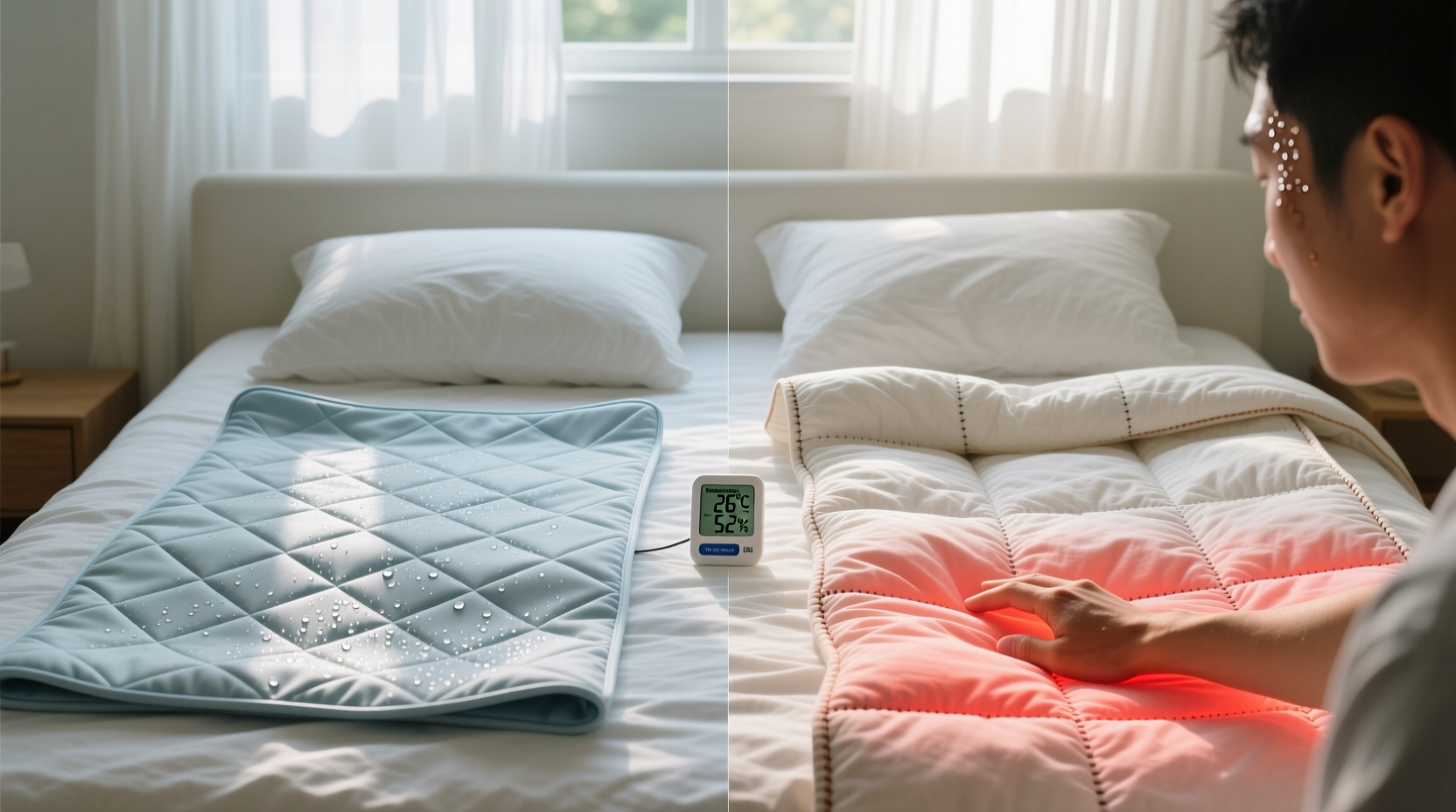
Your body naturally regulates temperature during sleep, dropping core temperature by about 1–2°F to initiate deep rest. When bedding interferes with this process—by trapping heat or resisting moisture evaporation—you sweat more, wake up frequently, and struggle to reach restorative sleep stages.
Heat retention in bedding comes from three main sources:
- Material density: Thick, tightly woven fabrics prevent air circulation.
- Thermal conductivity: Some materials absorb and radiate heat back to the body.
- Moisture wicking: Poor breathability leads to dampness, amplifying the sensation of heat.
Cooling blankets and summer quilts aim to counteract these issues—but they do so in different ways.
Cooling Blankets: Engineered for Temperature Control
Cooling blankets are designed specifically to reduce thermal retention. They often use advanced textiles like phase-change materials (PCMs), moisture-wicking fibers (e.g., TENCEL™, bamboo), or conductive elements such as gel-infused memory foam or copper threads.
These blankets work through several mechanisms:
- Passive cooling: Lightweight, breathable fabrics allow air to circulate freely.
- Active heat dissipation: Some contain materials that absorb excess body heat and release it slowly.
- Moisture management: Hydrophilic fibers pull sweat away from the skin and evaporate it quickly.
However, not all “cooling” blankets deliver equal results. Marketing terms like “cool touch” or “chill weave” aren’t regulated. Performance varies widely based on actual fabric blend and construction.
Summer Quilts: Lightweight Tradition Meets Modern Design
A summer quilt is traditionally a thin, layered bed covering filled with light batting—often cotton, silk, or wool—and stitched between two breathable fabric layers. Unlike winter quilts, summer versions prioritize airflow over insulation.
Modern summer quilts have evolved with performance fabrics. Many now feature:
- Organic cotton or bamboo covers
- Bamboo or silk batting for natural temperature regulation
- Channel stitching that prevents fill clumping and maintains even airflow
The key advantage of a summer quilt lies in its balance: it provides just enough coverage for comfort without adding excessive weight or heat. Natural fibers excel at absorbing moisture—cotton can hold up to 27% of its weight in water before feeling damp—helping manage sweat effectively.
“Natural fibers like cotton and silk respond dynamically to body temperature. They don’t just feel cooler—they actively help regulate microclimate.” — Dr. Lena Torres, Sleep Environment Researcher, University of Oregon
Head-to-Head Comparison: Cooling Blanket vs Summer Quilt
| Feature | Cooling Blanket | Summer Quilt |
|---|---|---|
| Primary Function | Actively reduce perceived heat | Provide minimal, breathable coverage |
| Materials | Synthetic blends, PCMs, gel, TENCEL™ | Cotton, silk, bamboo, wool |
| Breathability | High (varies by brand) | Very high (especially natural fibers) |
| Maintenance | Often machine washable but may degrade over time | Easily washable; durable with proper care |
| Lifespan | 2–5 years (technology degrades) | 5–10+ years (if well-maintained) |
| Best For | Hot sleepers, menopausal women, humid climates | Warm seasons, sensitive skin, eco-conscious users |
Real-World Example: Sarah’s Sleep Transformation
Sarah, a 42-year-old teacher from Atlanta, struggled with night sweats during perimenopause. She tried a popular cooling blanket marketed with “ice-fusion technology.” Initially impressed by the cold-to-the-touch surface, she noticed discomfort after two weeks—the blanket retained odors quickly and felt clammy when she sweated heavily.
She switched to a 100% cotton summer quilt with silk batting. Though it didn’t feel instantly cold, she reported staying drier and more comfortable throughout the night. “It doesn’t fight my body,” she said. “It works with it.”
Her experience highlights a critical insight: immediate coolness isn’t the same as sustained thermal regulation.
How to Choose What Actually Stops Night Sweating
Selecting the right bedding isn’t about trends—it’s about matching function to physiology. Follow this step-by-step guide to make an informed decision:
- Assess your sweat pattern: Do you experience sudden hot flashes or consistent warmth? Sudden spikes may benefit from phase-change materials; consistent heat favors breathable natural layers.
- Check fiber content: Prioritize natural, moisture-absorbing materials. Avoid 100% polyester unless it’s blended with TENCEL™ or similar.
- Test weight and drape: A good cooling blanket should feel light and airy. A summer quilt should be thin but evenly filled—no lumps.
- Consider your climate: In humid areas, breathability matters more than “cooling tech.” In dry heat, evaporative cooling works better.
- Washability: Sweat buildup accelerates odor and reduces effectiveness. Choose machine-washable options with gentle care instructions.
Checklist: Picking the Right Option for You
- ✅ I sweat heavily or experience hot flashes at night
- ✅ I prefer lightweight, non-clingy fabric
- ✅ I want something low-maintenance and durable
- ✅ I sleep in a warm or humid bedroom
- ✅ I value natural materials over synthetic tech
If most of your answers align with cooling needs and tech appeal, go for a high-quality cooling blanket. If durability, breathability, and natural comfort matter more, a premium summer quilt is likely your best bet.
Frequently Asked Questions
Can a summer quilt really keep me cooler than a cooling blanket?
Yes, especially if made from natural fibers like cotton or silk. While cooling blankets offer immediate cold sensations, summer quilts provide continuous breathability and moisture absorption, leading to more stable overnight comfort.
Do cooling blankets wear out over time?
Many do. Phase-change materials and gel infusions can degrade after repeated washing or prolonged compression. After 2–3 years, their cooling effect may diminish significantly.
Are there any health benefits to using a summer quilt over synthetic blankets?
Natural fiber quilts are less likely to trap allergens, resist dust mites better, and don’t emit volatile organic compounds (VOCs). This makes them a healthier choice for sensitive individuals.
Final Verdict: Which One Will Actually Stop You From Sweating?
If your goal is to stop sweating at night, the summer quilt—particularly one made from natural, breathable materials—offers a more sustainable, effective solution than most cooling blankets. While cooling blankets create a temporary sensation of cold, they often fail to manage moisture long-term and rely on technology that fades.
A well-made summer quilt doesn’t mask heat—it prevents it from building up in the first place. By allowing air to flow freely and absorbing sweat before it pools, it supports your body’s natural cooling system instead of fighting against it.
That said, hybrid options exist: some brands now combine natural quilting with cooling fibers like TENCEL™ or incorporate PCM pads into quilted designs. These may offer the best of both worlds—if you’re willing to invest in quality.




 浙公网安备
33010002000092号
浙公网安备
33010002000092号 浙B2-20120091-4
Comments
No comments yet. Why don't you start the discussion?