
In modern homes, technology is everywhere. From smart speakers and charging stations to entertainment systems and work-from-home setups, cords have become an unavoidable part of daily life. But while devices enhance convenience, their tangled cables can quickly undermine the aesthetic harmony of even the most thoughtfully designed interiors. The solution? Cord management boxes—specifically, those engineered not just to organize, but to disappear into your decor.
Today’s best cord management solutions go beyond plastic bins and utilitarian trays. They’re crafted with design in mind: finished in wood veneers, textured fabrics, or minimalist ceramics that echo existing furniture and décor. When chosen wisely, these boxes don’t hide in corners—they belong there.
Why Blending Matters in Cable Organization
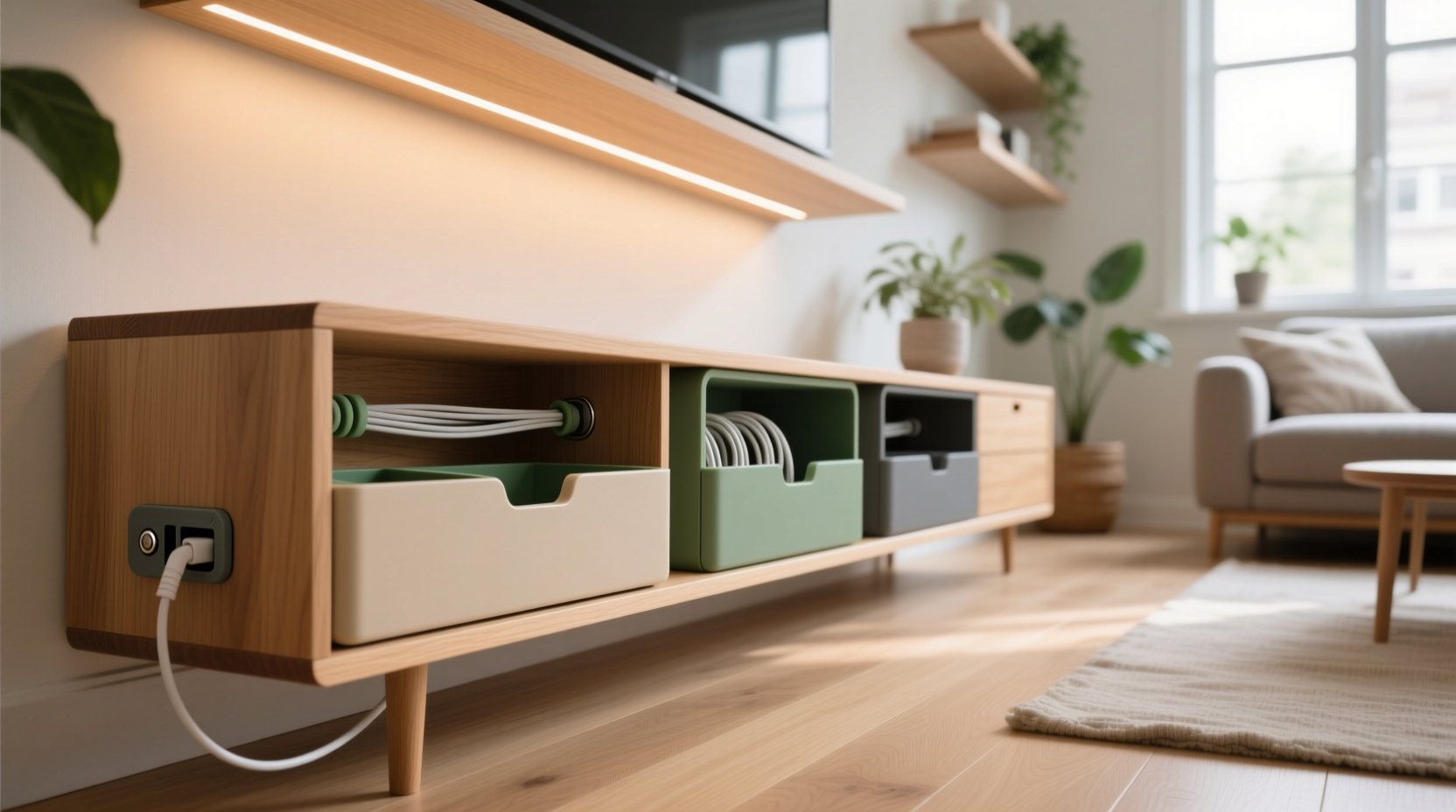
Traditional cable organizers often fail because they draw attention rather than deflect it. A bright white plastic box under a sleek walnut desk stands out like a mismatched sock. In contrast, a well-integrated cord management solution supports the room’s visual flow. It reduces visual noise without introducing new eyesores.
The psychology of clutter is real. Studies show that disorganized environments increase stress and reduce focus. But so do poorly disguised organizational tools. The ideal cord box does double duty: it tidies wires and contributes to the room’s calm.
“Furniture should serve function without sacrificing form. The best organizational pieces don’t look like storage—they look like part of the design.” — Lena Park, Interior Designer & Sustainable Living Advocate
Design-Forward Materials That Elevate Your Space
The material of a cord management box determines how naturally it integrates into your environment. Here are the top finishes making waves in designer homes:
- Reclaimed Wood: Warm, organic, and full of character. Ideal for rustic, Scandinavian, or mid-century modern spaces.
- Fabric-Wrapped MDF: Soft to the touch and available in neutral tones like charcoal, oat, or slate. Perfect for blending into media consoles or bedroom nightstands.
- Ceramic & Stoneware: Handcrafted options that resemble decorative vases or planters. These work beautifully in bohemian or Japandi-style interiors.
- Metallic Accents (Brushed Brass, Matte Black): Sleek and industrial, great for modern lofts or minimalist offices.
- Woven Rattan or Seagrass: Natural textures that complement coastal, tropical, or eco-conscious designs.
Choosing the Right Box for Your Room Type
Not every cord management box suits every space. Context matters. Below is a guide to selecting models that feel intentional in specific rooms.
Living Room: Where Style Meets Function
The living room typically hosts the most visible tech—TVs, soundbars, gaming consoles, streaming devices. A large, low-profile box with multiple access ports (side, back, and bottom) allows clean routing while staying tucked behind furniture.
Opt for a rectangular wooden box stained to match your coffee table or entertainment center. Some high-end models include built-in USB hubs or wireless charging pads, turning utility into luxury.
Home Office: Professionalism Without the Wires
With video calls now routine, what appears in your background matters. A fabric-covered cord box under your desk keeps power strips, chargers, and laptop adapters hidden yet accessible.
Look for modular designs with removable dividers. This lets you separate device types—phone chargers from monitor cables—and label sections discreetly.
Bedroom: Calm at Night, Charging by Day
Nightstand tangles are common. Phones, smartwatches, tablets, lamps—all compete for outlet space. A small ceramic or rattan box on the nightstand corrals cords while doubling as a decorative object.
Some models feature soft-close lids or magnetic closures, ensuring quiet operation during late-night use.
Kitchen & Dining Areas: Hidden Tech, Visible Taste
Blenders, coffee makers, air fryers, and charging docks create countertop chaos. A woven seagrass box on a kitchen island or sideboard stores appliance cords when not in use. Choose water-resistant linings if near sinks or spills.
| Room | Recommended Material | Key Features |
|---|---|---|
| Living Room | Walnut or oak veneer | Multiple cable ports, wide base, optional ventilation |
| Home Office | Fabric-wrapped MDF | Modular interior, desk-mounting option, USB integration |
| Bedroom | Ceramic, linen, or rattan | Compact size, quiet closure, soft exterior |
| Kitchen/Dining | Seagrass or coated wicker | Water-resistant lining, open-top design for quick access |
| Entryway | Matte metal or lacquered wood | Wall-mountable, includes key tray or mail slot |
Step-by-Step: Integrating a Cord Box Into Your Decor
Simply placing a box over cords isn’t enough. True integration requires planning. Follow this timeline to ensure your solution feels intentional, not improvised.
- Day 1: Audit Your Cables
Unplug everything in your target area. Group cords by device and frequency of use. Discard frayed or obsolete ones. - Day 2: Measure & Map
Note the dimensions of your space and the number of cords. Decide whether you need a floor-standing, wall-mounted, or tabletop model. - Day 3: Select by Finish
Choose a box that matches or complements dominant materials in the room—wood tone, metal accent, fabric texture. - Day 4: Install Thoughtfully
Position the box where it’s accessible but not obtrusive. Use adhesive cable clips to guide cords smoothly into entry points. - Day 5: Test & Refine
Plug everything back in. Sit in the room. Does the box feel like it belongs? Adjust placement or accessories (like labels or felt pads) as needed.
Mini Case Study: From Cluttered Corner to Cozy Reading Nook
Sarah, a freelance writer in Portland, struggled with a corner of her living room dominated by cords. Her standing lamp, floor speaker, tablet charger, and Wi-Fi router created a messy cluster behind her favorite armchair. Guests would often trip over wires, and she avoided video calls from that spot.
She replaced a generic black plastic bin with a handcrafted teak cord box, slightly longer than her chair’s base. The box featured side-entry ports and a lift-off lid. She routed each cord through labeled silicone sleeves before feeding them into the unit. The final touch? Placing a small potted succulent on top of the box.
Now, the space looks curated. The teak grain echoes her bookshelf, and the succulent draws the eye upward—not down to the floor. “It’s not just about hiding wires,” she says. “It’s about reclaiming peace in a space I love.”
Checklist: Selecting a Truly Seamless Cord Management Box
Before purchasing, ask yourself these questions to ensure your choice enhances both order and aesthetics:
- ✅ Does the color/finish match or complement nearby furniture?
- ✅ Are there multiple cable exit points for flexible routing?
- ✅ Is the size appropriate for the number of devices and available space?
- ✅ Does it allow for proper ventilation (especially if housing power strips)?
- ✅ Can it be mounted or secured if needed (e.g., under a desk)?
- ✅ Is the opening mechanism quiet and easy to use daily?
- ✅ Does it include interior organization (compartments, Velcro straps)?
- ✅ Is it made from sustainable or non-toxic materials, if that aligns with your values?
Common Pitfalls to Avoid
Even stylish boxes can fail if misused. Watch out for these mistakes:
- Overfilling: Jamming too many cords creates pressure, damages insulation, and makes the lid hard to close.
- Blocking Ventilation: Enclosing active power strips or transformers without airflow can lead to overheating.
- Ignoring Cable Length: If cords are too short, forcing them into a distant box causes strain and safety risks.
- Choosing Style Over Safety: Decorative boxes made from flammable materials (like untreated paper or thin plastic) near electrical sources are hazardous.
- Forgetting Future Needs: Buy with expansion in mind. Leave room for one or two additional devices.
“Great design anticipates use, not just appearance. The best cord solutions are used daily because they’re effortless.” — Diego Mendez, Product Designer at Forma Living
FAQ
Can I paint or customize a cord management box?
Yes—if it’s made from wood, MDF, or metal. Use matte or satin finishes to avoid glare. For fabric-covered boxes, consider removable slipcovers in seasonal colors. Always test paint on a small area first and ensure it doesn’t interfere with cable access.
Are there cord boxes that double as furniture?
Absolutely. Some brands offer multi-functional designs: a cord box with a padded top becomes a side table; others integrate into ottomans or benches. Look for terms like “hybrid storage” or “dual-purpose organizer” when shopping.
How do I keep pets from chewing exposed cords near the box?
Use cord covers with bitter coatings, route cables through internal channels, or choose boxes with fully enclosed compartments. Elevated designs (on legs or shelves) also help keep cords out of reach.
Conclusion: Design That Works as Hard as You Do
Managing cords shouldn’t mean choosing between order and beauty. With today’s range of thoughtfully designed cord management boxes, you can achieve both. The right piece doesn’t apologize for its presence—it earns its place in your home.
From the living room to the bedroom, these solutions prove that functionality and elegance aren’t mutually exclusive. By prioritizing materials, proportions, and integration, you transform a mundane necessity into a subtle expression of taste.
Your home deserves to reflect who you are—calm, collected, and intentionally designed. Start with one corner. Choose one box. And watch how a single change can ripple through your entire space.




 浙公网安备
33010002000092号
浙公网安备
33010002000092号 浙B2-20120091-4
Comments
No comments yet. Why don't you start the discussion?