
When it comes to tackling everyday home repairs, a cordless drill is often the first power tool people invest in. It’s versatile, portable, and essential for everything from hanging shelves to assembling furniture. But as homeowners accumulate more projects, they naturally start adding other cordless tools—screwdrivers, impact drivers, circular saws, and more. This raises a practical question: should you stick with the same battery platform across all your tools? Is having just one battery system really enough?
The answer isn’t a simple yes or no. It depends on your usage frequency, budget, future needs, and brand loyalty. However, for most homeowners focused on light to moderate DIY tasks, a single, well-chosen battery system can be not only sufficient but also smarter in the long run.
Why Battery System Compatibility Matters
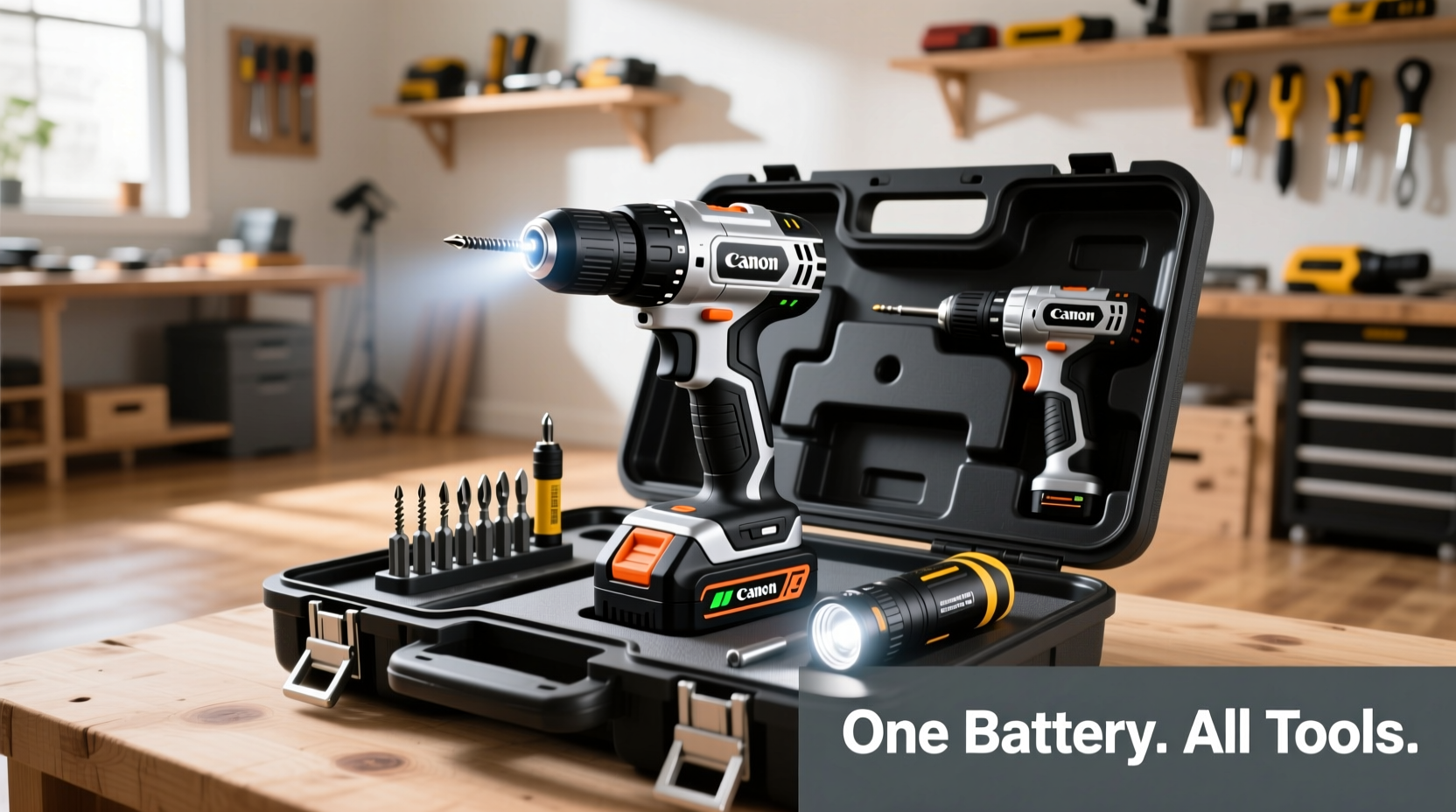
Modern cordless tools are built around modular battery platforms. These systems allow batteries from one tool to work seamlessly with others made by the same manufacturer. Brands like DeWalt, Milwaukee, Makita, Bosch, and Ryobi each have their own proprietary battery designs. Once you buy into one of these ecosystems, switching becomes costly and inconvenient.
Battery compatibility affects three key areas:
- Convenience: Swapping batteries between tools saves time and eliminates downtime.
- Cost efficiency: Buying extra batteries instead of full new tool kits reduces long-term spending.
- Storage and organization: Fewer battery types mean simpler storage and easier inventory management.
For example, if you’re using a DeWalt 20V MAX drill and later purchase a DeWalt reciprocating saw, both can share the same battery. No need to keep separate chargers or remember different voltage requirements.
Advantages of Sticking to One Battery System
Using a single battery platform across multiple tools offers several tangible benefits, especially for homeowners who value simplicity and efficiency.
Reduced Clutter and Simpler Charging
Imagine having five different tools, each with its own charger and unique battery shape. Keeping track of which battery goes where becomes a chore. With one system, you only need one type of charger (or two, for redundancy), and every battery fits every compatible tool. This streamlines your workspace and reduces visual and logistical clutter.
Lower Long-Term Costs
Entry-level tool kits often come with two batteries and a charger. As you expand your collection, you can buy bare tools (without batteries) at a lower price. For instance, a standalone impact driver might cost $70 without a battery, compared to $120 with one. If you already own compatible batteries, that’s an immediate savings.
Faster Workflow During Projects
Home repairs rarely involve just one tool. Installing a new door might require drilling, driving screws, and cutting trim. If all your tools use the same battery, you can swap a dying battery from the drill into the saw while the first one charges—keeping momentum without interruption.
“For DIYers, consistency in tool platforms means less frustration and fewer excuses to delay projects.” — Mark Reynolds, Home Improvement Educator and Tool Reviewer
When One System Might Not Be Enough
While a unified battery system works well for most homeowners, there are scenarios where relying on just one ecosystem falls short.
Different Power Requirements
Not all tools demand the same power. A cordless drill used for light assembly may perform fine on a 12V platform, but a circular saw cutting through plywood will likely need 18V or 20V. Some brands offer dual-platform support (e.g., Ryobi’s 18V and 40V outdoor tools), meaning you’ll still end up managing multiple battery types if you own both indoor and outdoor equipment.
Limited Brand Range
If your chosen brand doesn’t make a specific tool you need—say, a high-lumen flashlight or a specialty grinder—you may have to go outside the ecosystem. This forces you to either compromise on quality or maintain a second battery system.
Battery Availability and Durability Concerns
Even within a single system, battery lifespan varies. Lithium-ion batteries degrade over time, especially with frequent charging and exposure to heat. If all your tools depend on the same battery type and those batteries begin failing simultaneously, you could face a temporary tool outage until replacements arrive.
Brand Lock-In Risks
Sticking to one brand means trusting its innovation pace, customer service, and product longevity. If the company discontinues a popular line or raises prices significantly, you have limited flexibility to switch without losing your battery investment.
Comparison of Top Battery Platforms for Homeowners
| Brand | Voltage Standard | Tool Variety | Price Range (Bare Tools) | Best For |
|---|---|---|---|---|
| Ryobi | 18V (One+) | Extensive (over 200 tools) | $30–$150 | Budget-conscious DIYers |
| DeWalt | 20V MAX | Very wide (prosumer to pro-grade) | $50–$250 | Heavy-duty home projects |
| Makita | 18V LXT | Extremely broad (including outdoor) | $60–$300 | Users wanting long runtime |
| Bosch | 18V (Power4All cross-compatible) | Moderate | $50–$200 | European users or eco-focused buyers |
| Milwaukee | M18 (18V) | Extensive, including RedLithium tech | $70–$350 | Performance-driven users |
This table highlights how different brands balance affordability, variety, and performance. Ryobi stands out for sheer number of compatible tools and low entry cost, making it ideal for beginners. DeWalt and Milwaukee cater to those anticipating tougher jobs, while Makita offers excellent battery life—critical if you're running multiple tools off one set of batteries.
Real-World Example: Sarah’s Garage Upgrade
Sarah, a homeowner in Portland, started with a basic Ryobi cordless drill to assemble furniture and hang pictures. Over two years, she gradually added a reciprocating saw, oscillating multi-tool, and LED work light—all part of the same 18V One+ system. When she decided to reorganize her garage and build custom shelving, she was able to complete the entire project using just two batteries and one charger.
“I didn’t have to stop and wait for anything to charge,” she said. “When the drill battery died, I popped it out, put in the spare, and kept going. Later, I used that same battery on my work light. It felt seamless.”
She did hit one limitation: when she tried to cut thick wooden beams, her circular saw struggled. She realized she needed more torque than her current setup provided. Instead of abandoning her system, she upgraded to a higher-amp-hour battery (from 1.5Ah to 4.0Ah), which gave her the extended runtime and power she needed—without changing platforms.
Sarah’s experience shows that a single battery system can scale with your needs—if you plan ahead and understand its limits.
Step-by-Step Guide to Building a Unified Tool System
If you’re starting fresh or looking to consolidate your tools, follow this sequence to maximize efficiency and minimize waste:
- Assess Your Needs: List the projects you typically do. Are they light (decorating, mounting) or heavy (framing, decking)? This determines whether 12V, 18V, or 20V is appropriate.
- Pick a Brand: Research user reviews, local availability, and warranty terms. Choose one with a strong ecosystem of tools you’re likely to use.
- Start with a Combo Kit: Buy a 2-battery combo kit with a drill and impact driver. These are the most-used tools and will give you immediate versatility.
- Add Bare Tools Gradually: As needs arise, purchase bare tools compatible with your existing batteries. Prioritize frequently used ones like a circular saw or sander.
- Invest in Extra Batteries: Have at least two, preferably three, batteries per system. This ensures one is always charged and ready.
- Monitor Battery Health: Replace aging batteries (typically after 3–5 years of regular use) before they become unreliable.
- Stay Within the Ecosystem: Avoid temptation to buy cheaper off-brand tools unless absolutely necessary. The long-term cost of managing multiple systems outweighs short-term savings.
Tips for Maximizing Battery Life and Performance
To get the most out of your single battery system, follow these best practices:
- Charge batteries before they fully drain. Lithium-ion performs best when kept between 20% and 80%.
- Store batteries in a cool, dry place. High temperatures accelerate degradation.
- Use the correct charger. Fast chargers are convenient but generate more heat, which can shorten battery lifespan over time.
- Clean battery contacts periodically with a dry cloth to ensure optimal conductivity.
- Rotate battery usage evenly so one doesn’t wear out faster than the others.
Frequently Asked Questions
Can I use adapters to make batteries fit across brands?
No reputable adapters exist for cross-brand battery compatibility due to differences in voltage, contact layout, and safety circuits. Attempting to force compatibility can damage tools or create fire hazards.
What happens if my chosen brand stops supporting my battery system?
Most major brands maintain backward compatibility for many years. Even if a line is discontinued, third-party sellers often continue offering replacement batteries and chargers. However, choosing a brand with a strong market presence reduces this risk.
Is it worth upgrading to a higher-voltage system later?
It depends. If you move from minor repairs to major renovations, stepping up from 18V to 36V or 40V (for outdoor tools) may be necessary. However, for standard home maintenance, 18V–20V systems are more than adequate.
Checklist: Building a Smart Single-Battery Toolkit
- ✅ Identify your most common home repair tasks
- ✅ Choose a brand with broad tool compatibility
- ✅ Start with a 2-battery combo kit (drill + impact driver)
- ✅ Buy bare tools as needed to save money
- ✅ Keep at least two spare batteries charged and ready
- ✅ Store batteries properly and inspect them quarterly
- ✅ Stick to the same voltage platform for all indoor tools
- ✅ Consider a secondary system only if outdoor or industrial tools are required
Final Thoughts: Simplicity Wins for Most Homeowners
For the vast majority of DIYers, investing in a single, reliable battery system is not only enough—it’s the smartest strategy. It reduces complexity, cuts costs, and keeps your workflow smooth. While no system is perfect for every possible scenario, the convenience of shared batteries far outweighs the rare need to step outside the ecosystem.
The key is choosing wisely from the start. Pick a brand known for durability, wide tool selection, and strong customer support. Begin with core tools and expand thoughtfully. Maintain your batteries well, and you’ll find that one battery system can handle nearly every home repair task efficiently and reliably.




 浙公网安备
33010002000092号
浙公网安备
33010002000092号 浙B2-20120091-4
Comments
No comments yet. Why don't you start the discussion?