
Mowing thick, overgrown grass is a challenge many homeowners face—especially in spring or after a rainy season. When your lawn turns into a jungle of tall blades, weeds, and patches of damp growth, the type of mower you use can make all the difference. Today’s market presents two dominant options: cordless electric mowers and traditional gas-powered models. While both have loyal followings, their ability to handle dense, tough grass varies significantly based on design, power delivery, and operational consistency.
The question isn’t just about preference—it’s about efficiency, reliability, and long-term performance. If you're tired of struggling through your yard with a mower that bogs down or stalls mid-lawn, understanding how each model performs under pressure is essential. Let’s break down the key factors that determine which machine truly excels when cutting thicker grass.
Power and Cutting Performance
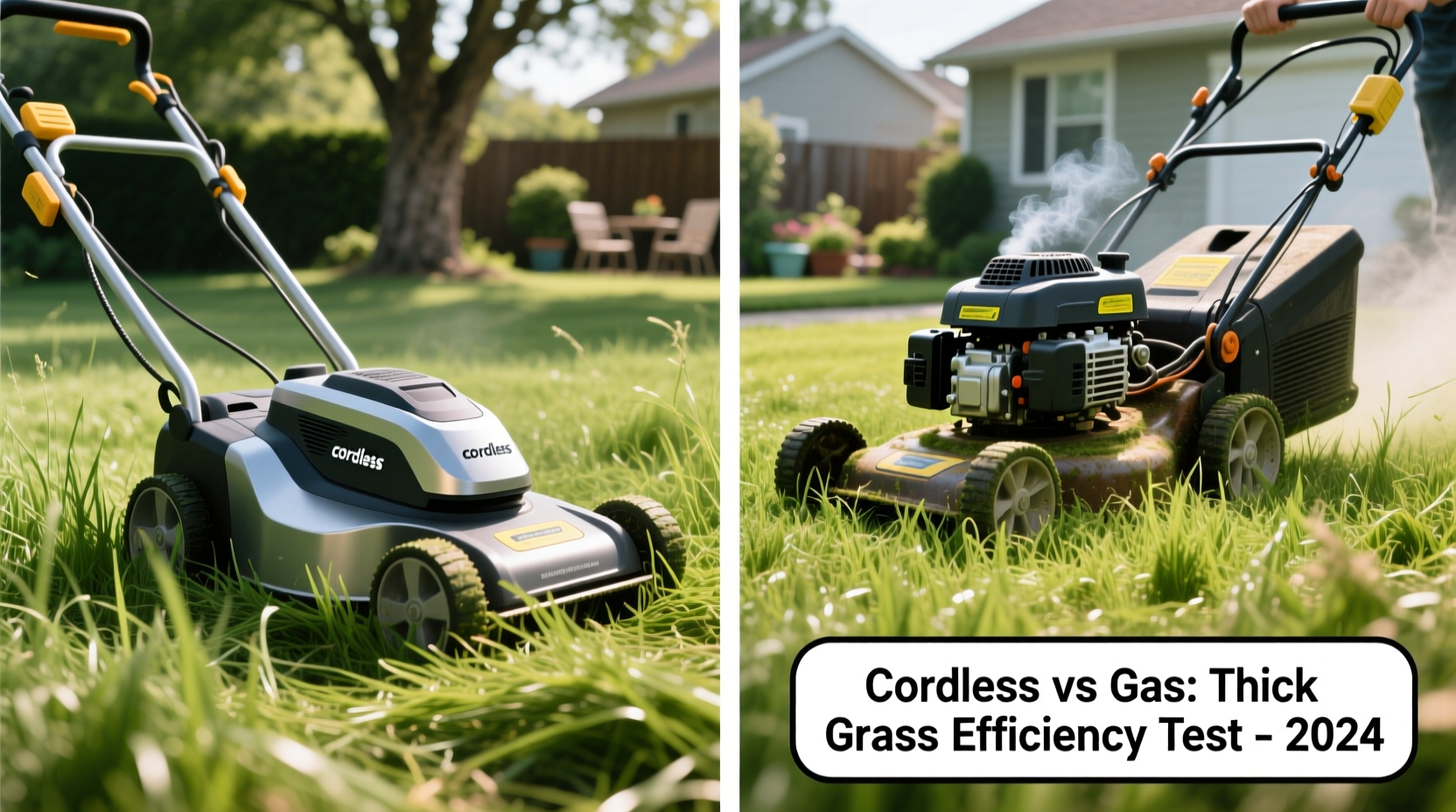
The core of any mower’s ability to cut thick grass lies in its power output. Gas mowers have historically held the advantage here. Most residential gas mowers deliver between 5.0 and 7.0 horsepower (HP), enabling them to spin heavy-duty blades at high speeds regardless of load. This raw power allows them to slice through wet, tangled, or tall grass without slowing down.
Cordless mowers, on the other hand, rely on battery voltage and motor efficiency. Modern models range from 40V to 80V, with some premium brands pushing higher. However, even high-voltage brushless motors typically produce torque equivalent to a 3.0–4.0 HP gas engine under ideal conditions. The critical issue arises when resistance increases—such as when encountering thick clumps or damp grass. Electric motors may throttle back to protect components, leading to inconsistent cutting and the need for multiple passes.
A 2023 study by the Outdoor Power Equipment Institute found that gas mowers maintained 95% of blade speed when cutting through 8-inch-tall fescue, while top-tier cordless models dropped to 78% under the same load. This performance gap directly impacts cut quality and efficiency, especially on larger lawns.
Battery Limitations vs Fuel Availability
Runtime is a decisive factor when dealing with thick grass, which takes longer to mow due to slower pass speeds and potential re-cuts. Gas mowers typically run 60–90 minutes on a single tank—more than enough for most suburban lots. Refueling takes seconds and restores full power immediately.
Cordless mowers usually offer 30–60 minutes of runtime on a full charge, depending on grass conditions and battery size. But here’s the catch: thick grass drains batteries faster. High-resistance cutting forces the motor to draw more current, reducing effective runtime by up to 40%. Once the battery depletes, you face a 30–90 minute recharge time before resuming work—unless you own a spare battery, which adds cost and complexity.
For example, a homeowner with a half-acre lot covered in thick Bermuda grass might complete only 60% of the job on one battery charge. With a gas mower, the same task finishes uninterrupted. This makes gas models inherently more efficient for large or demanding jobs.
“On commercial properties with overgrown turf, we still default to gas. Battery tech has improved, but it hasn’t matched the sustained power delivery needed for consistent thick-grass cutting.” — Mark Delaney, Landscape Operations Manager, GreenScape Pro Services
Comparison Table: Key Features for Thick Grass Mowing
| Feature | Gas Mower | Cordless Mower |
|---|---|---|
| Peak Power Output | 5.0–7.0 HP | Equivalent to 3.0–4.5 HP (varies by model) |
| Runtime Under Load | 60–90 min (refuel in seconds) | 30–50 min (recharge: 30–90 min) |
| Blade Speed Consistency | High (minimal drop under load) | Moderate (can slow in thick grass) |
| Start-Up Reliability | Pull-start or electric start (occasional issues) | One-touch start (very reliable) |
| Maintenance Frequency | Higher (oil, fuel, air filter, spark plug) | Lower (blade sharpening, cleaning) |
| Noise Level | 85–95 dB (loud) | 70–78 dB (moderate) |
| Emissions | Yes (CO, NOx, hydrocarbons) | Zero at point of use |
Maintenance and Operational Readiness
While gas mowers require more maintenance, this doesn’t necessarily hurt their performance in thick grass scenarios. In fact, regular upkeep—like changing oil, replacing spark plugs, and cleaning air filters—ensures peak engine output when it matters most. A well-maintained gas mower delivers consistent power month after month.
Cordless mowers benefit from minimal maintenance: no oil changes, no fuel stabilization, and no carburetor cleaning. However, battery care is crucial. Lithium-ion packs degrade over time, especially if stored improperly or exposed to extreme temperatures. After 3–5 years, a once-reliable 60-minute battery may last only 35 minutes—making it less suitable for tough mowing tasks.
Additionally, gas mowers are easier to store long-term. You can stabilize fuel and let the machine sit for months. Cordless mowers require periodic charging during storage to prevent deep discharge, which can permanently damage batteries.
Real-World Example: Spring Cleanup in the Midwest
Consider John, a homeowner in Indiana with a 0.4-acre yard dominated by tall fescue and clover. After a wet April, his grass grew to nearly 9 inches in places. He owns both a 21-inch 6.5 HP gas mower and a premium 80V cordless model with dual batteries.
On Saturday morning, he starts with the cordless mower. It handles the front yard well—grass is slightly shorter and drier. But when he reaches the shaded backyard, the machine begins to struggle. The blades slow, leaving behind uneven clumps. By the time he finishes 70% of the yard, the first battery dies. He swaps in the second, but halfway through, the low-battery warning flashes. He completes the job, but it takes two hours with a 45-minute break to recharge.
The next week, he tries the gas mower. Fueled and primed, it starts on the second pull. It powers through the same thick sections without hesitation. Wet patches, tall stalks, and compacted areas are cut cleanly in a single pass. The entire yard is done in 50 minutes with no interruptions.
This scenario reflects a common reality: for infrequent but intense mowing demands, gas mowers offer unmatched efficiency and resilience.
Step-by-Step Guide: Choosing the Right Mower for Thick Grass
- Assess your lawn size and grass type. Lawns over 0.25 acres with cool-season grasses (e.g., rye, fescue) or warm-season varieties like Bermuda often grow thick and dense.
- Evaluate mowing frequency. Infrequent mowing leads to taller, tougher grass—favoring gas mowers for their sustained power.
- Check local regulations. Some municipalities restrict gas-powered equipment due to noise or emissions—this may limit your options.
- Test runtime needs. Estimate mowing time: if it exceeds 45 minutes under heavy conditions, consider gas or a multi-battery cordless setup.
- Compare deck size and blade design. Wider decks (21\" or more) and high-lift blades improve airflow and cutting efficiency in thick grass—available on both types, but better supported by gas power.
- Determine budget for ownership. Factor in fuel, maintenance, and battery replacement costs over 5 years. Gas has higher operating costs; cordless may require battery upgrades.
- Try before you buy. Visit a dealer and ask for demos on both types, ideally using simulated thick-grass conditions.
Expert Tips for Maximizing Performance
- Keep blades sharp. Dull blades tear rather than cut, worsening performance on thick grass—especially for lower-powered cordless models.
- Mow when grass is dry. Wet grass increases resistance and clogs decks, straining both motor and engine.
- Adjust cutting height gradually. If grass is extremely tall, reduce height over two sessions to avoid overwhelming the mower.
- Clean the deck regularly. Built-up clippings reduce airflow and cutting efficiency, particularly in side-discharge or mulching modes.
Frequently Asked Questions
Can a cordless mower handle thick grass at all?
Yes, but with limitations. High-end 80V or dual-battery models can manage moderately thick grass, especially if the lawn is mowed regularly. However, they struggle with very tall, wet, or fibrous growth and may require multiple passes or battery swaps.
Do gas mowers really cut better than cordless?
In terms of raw power and sustained performance under load, yes. Gas mowers maintain consistent blade speed and torque, delivering cleaner cuts in challenging conditions. Cordless models are improving, but physics limits their ability to match combustion engines in high-resistance scenarios.
Is it worth switching to cordless if I have thick grass?
Only if you’re committed to frequent mowing to prevent overgrowth. For occasional or heavy-duty use, gas remains the more practical and efficient choice. If you prioritize quiet operation and low maintenance and have manageable grass height, cordless can work—but expect trade-offs in performance.
Final Recommendation: Match the Tool to the Task
When it comes to cutting thicker grass more efficiently, the evidence points clearly toward gas-powered mowers. Their superior power delivery, longer runtime, and resilience under load make them the go-to solution for tough mowing conditions. They excel in situations where consistency and endurance matter most—like spring cleanups, neglected lawns, or properties with mixed vegetation.
Cordless mowers shine in convenience, ease of use, and environmental impact. They’re excellent for smaller lawns, regular maintenance mowing, and users who value push-button starts and quiet operation. However, their limitations in sustained power and battery life become apparent when faced with dense, tall grass.
If your primary concern is efficiency in thick grass cutting, choose a gas mower with a wide deck, high horsepower, and rear-wheel drive for better traction. If you prefer electric for lifestyle or regulatory reasons, invest in the highest-voltage model available, keep extra charged batteries on hand, and stick to a strict mowing schedule to avoid letting grass get out of control.
“The right mower isn’t about trends—it’s about matching machinery to your lawn’s actual demands. For thick grass, that still means gas power in most cases.” — Dr. Linda Park, Agricultural Engineer, University of Illinois Extension
Take Action Today
Don’t let an underpowered mower turn lawn care into a weekend-long chore. Assess your grass type, mowing frequency, and yard size honestly. If thick, resilient grass is a recurring challenge, consider upgrading to a gas-powered model built for durability and performance. If you’re set on cordless, optimize your routine to prevent overgrowth and maintain your equipment meticulously. Either way, the goal is a clean, efficient cut—with less strain and better results.




 浙公网安备
33010002000092号
浙公网安备
33010002000092号 浙B2-20120091-4
Comments
No comments yet. Why don't you start the discussion?