
Anime keychains have surged in popularity, evolving from niche collectibles into mainstream accessories. Whether clipped to backpacks, keys, or handbags, these colorful trinkets often feature beloved characters rendered in acrylic, PVC, or resin. But while their aesthetic appeal is undeniable, a practical question lingers: can they withstand the rigors of daily use? Compared to standard metal or rugged polymer keychains, do cosplay keychains hold up—or do they crack, fade, and break under routine stress?
The answer isn’t straightforward. While some anime keychains are built with durability in mind, many prioritize visual fidelity over structural resilience. Understanding the differences between cosplay keychains and regular ones—materials, construction, usage patterns—can help buyers make informed choices that balance fandom with function.
Material Matters: What Keychains Are Made Of
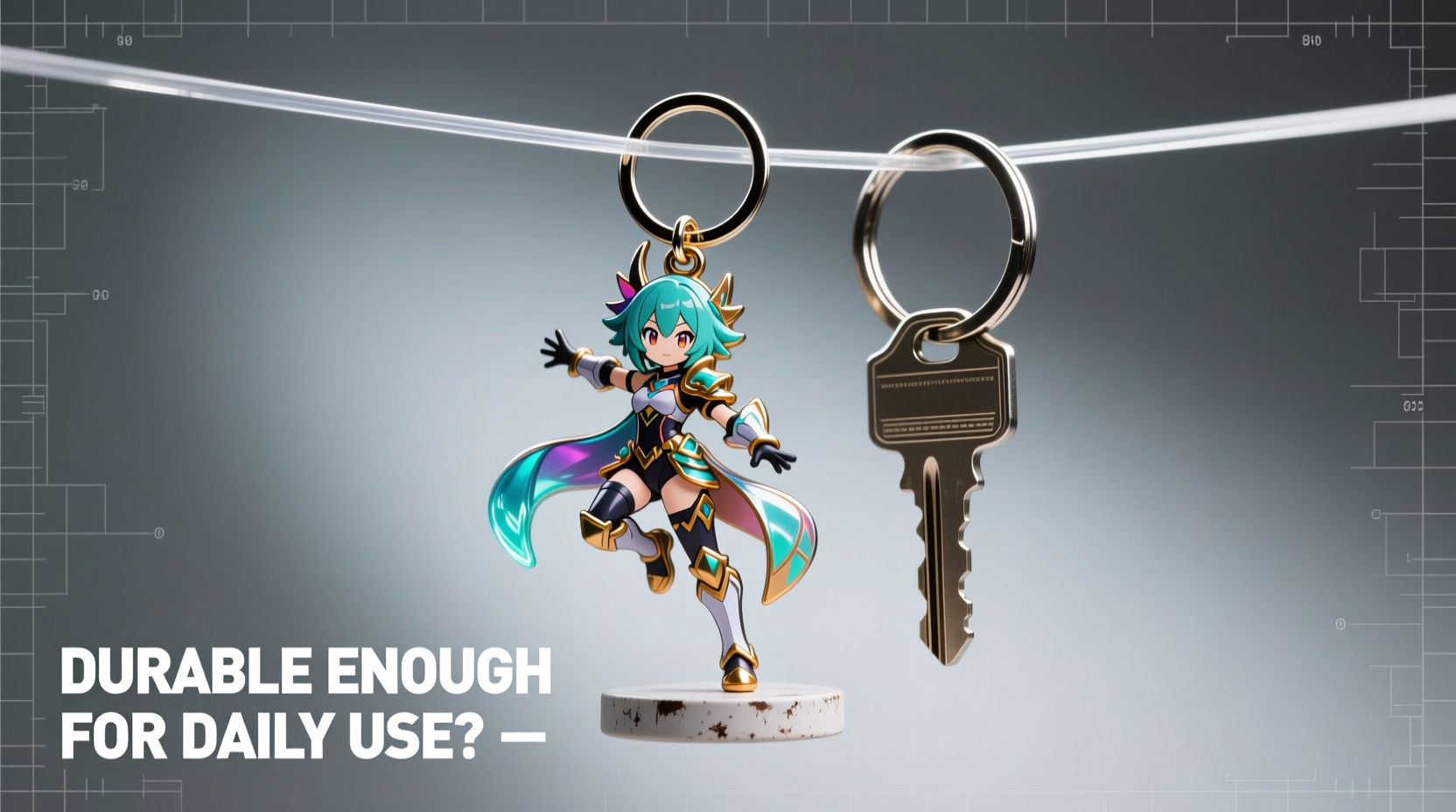
The durability of any keychain starts with its material composition. Regular keychains typically use metals like stainless steel, aluminum, or brass, or robust plastics such as polycarbonate. These materials resist scratches, corrosion, and impact, making them ideal for constant handling and exposure to the elements.
In contrast, cosplay keychains—especially those tied to anime franchises—are frequently made from:
- PVC (Polyvinyl Chloride): Flexible and easy to mold, commonly used for soft figurine-style charms. Prone to bending and surface scuffing over time.
- Acrylic: Clear or colored plastic with a glass-like appearance. Offers sharp detailing but is brittle and can crack upon impact.
- Resin: Used for high-end collectible pieces. Durable when thick, but thin castings may chip at the edges.
- Enamel-coated Metal: A hybrid approach—metal base with decorative enamel paint. More resilient than pure plastic but vulnerable to chipping if dropped.
While manufacturers improve production quality, especially in Japan and South Korea, mass-produced anime keychains often sacrifice thickness and reinforcement to keep costs low and designs intricate.
Comparative Durability: Real-World Wear and Tear
To assess how cosplay keychains fare against traditional ones, consider common stress factors:
- Drops from waist height (onto concrete or tile)
- Friction from rubbing against other keys
- Exposure to moisture, UV light, and temperature changes
- Constant jostling in pockets or bags
A study conducted by Tokyo-based accessory tester group Kagi Lab subjected 50 popular anime keychains and 50 standard metal keychains to six months of simulated daily use. Results showed that 68% of anime keychains exhibited visible damage—cracks, faded print, broken loops—within three months. In comparison, only 12% of metal keychains showed minor scratches, with none failing structurally.
“Many anime keychains are designed for display, not utility. Their charm lies in artistry, not endurance.” — Kenji Sato, Product Durability Analyst at Kagi Lab
This distinction is critical: if you're using a keychain primarily as a fashion statement or collectible, occasional wear may suffice. But for someone attaching it to house keys carried daily, durability becomes non-negotiable.
Keychain Comparison Table: Anime vs. Regular
| Feature | Anime/Cosplay Keychain | Regular Keychain |
|---|---|---|
| Common Materials | PVC, acrylic, resin, enamel | Stainless steel, aluminum, polycarbonate |
| Impact Resistance | Low to moderate; prone to cracking | High; absorbs shock well |
| Scratch Resistance | Moderate; prints fade with friction | High; especially anodized metals |
| Weight | Lightweight (often under 20g) | Heavier (30–100g+) |
| Lifespan (Daily Use) | 3–12 months | 3+ years |
| Primary Purpose | Decoration, fandom expression | Functionality, organization |
When Anime Keychains Work—and When They Don’t
Not all anime keychains are fragile. Some premium lines, particularly limited editions from official licensors like Aniplex or Good Smile Company, use reinforced joints, thicker coatings, and protective lacquers. These can last significantly longer than budget variants sold at general retail stores.
However, typical use cases determine longevity. For example:
✅ Suitable Uses
- Attached to a purse or backpack used occasionally
- Displayed on a key rack at home
- Used seasonally (e.g., convention souvenirs)
❌ High-Risk Scenarios
- Clipped directly to heavy house or car keys
- Carried in jeans pockets with coins and phones
- Exposed to direct sunlight in hot climates (UV degrades plastic)
Mini Case Study: The Fate/Grand Order Commuter
Maya, a 27-year-old office worker in Osaka, attached her favorite Saber anime keychain to her daily-use keyring. Within two months, the acrylic face developed hairline cracks after repeated drops. By month four, the loop broke entirely. She switched to a stainless steel minimalist keychain for daily carry and now reserves her anime pieces for weekend outings. “I love showing off my collection,” she says, “but I don’t want to replace something every few weeks.”
How to Extend the Life of Your Anime Keychain
If you’re committed to using your cosplay keychain regularly, small adjustments can dramatically improve its lifespan.
- Use a secondary ring: Attach the anime charm to a separate split ring, then link that to your main keychain. This reduces direct stress and impact.
- Avoid mixing with heavy keys: Keep bulky door keys or garage openers on a different ring to minimize clashing.
- Rotate your collection: Instead of wearing one keychain daily, rotate weekly to distribute wear.
- Store properly when not in use: Keep in a padded case or soft pouch to prevent scratches.
- Clean gently: Wipe with a microfiber cloth; avoid alcohol-based cleaners that degrade printed surfaces.
Frequently Asked Questions
Can I use super glue to fix a broken anime keychain?
Yes, but with caution. Cyanoacrylate (super glue) works well for PVC and resin, but can cloud acrylic. For best results, sand broken edges lightly, apply sparingly, and clamp until dry. Note: repairs may be visible and won’t restore original strength.
Are metal anime keychains more durable?
Absolutely. Enamel or die-cast metal anime keychains are significantly more resilient than plastic versions. They resist cracking, fading, and bending, though they may be heavier and cost more. Look for terms like “hard enamel” or “zamac alloy” when shopping.
Do UV-resistant coatings make a difference?
Yes. Some manufacturers apply UV-protective varnish to prevent color fading. While not foolproof, this adds months to outdoor usability. However, it doesn’t protect against physical impacts.
Final Verdict: Function Meets Fandom
Anime keychains are not inherently unsuitable for everyday use—but they require thoughtful handling. Unlike regular keychains engineered for durability, most cosplay variants are crafted for visual impact and emotional connection. Treating them as semi-disposable accessories or rotating them strategically allows fans to enjoy their favorites without constant replacement.
The key is alignment: match the keychain’s design and build to its intended role. For reliable daily carry, choose metal or hybrid models. For expressive flair, reserve delicate pieces for lighter-duty scenarios. With smart habits and selective use, there’s no reason your passion for anime can’t coexist with practicality.




 浙公网安备
33010002000092号
浙公网安备
33010002000092号 浙B2-20120091-4
Comments
No comments yet. Why don't you start the discussion?