
The cottagecore aesthetic, once associated with pandemic-era sourdough baking and TikTok foraging videos, is quietly resurfacing—not as a nostalgic escape, but as a refined, intentional lifestyle choice. This time, it’s less about romanticizing rural isolation and more about integrating softness, sustainability, and soulfulness into everyday urban living. But with its strong ties to vintage florals, prairie skirts, and wicker baskets, there’s a fine line between timeless charm and looking like you’ve stepped out of a 19th-century farmhouse reenactment. The key lies in evolution: honoring the aesthetic’s roots while anchoring it in contemporary design, functionality, and personal expression.
Understanding the Modern Cottagecore Revival
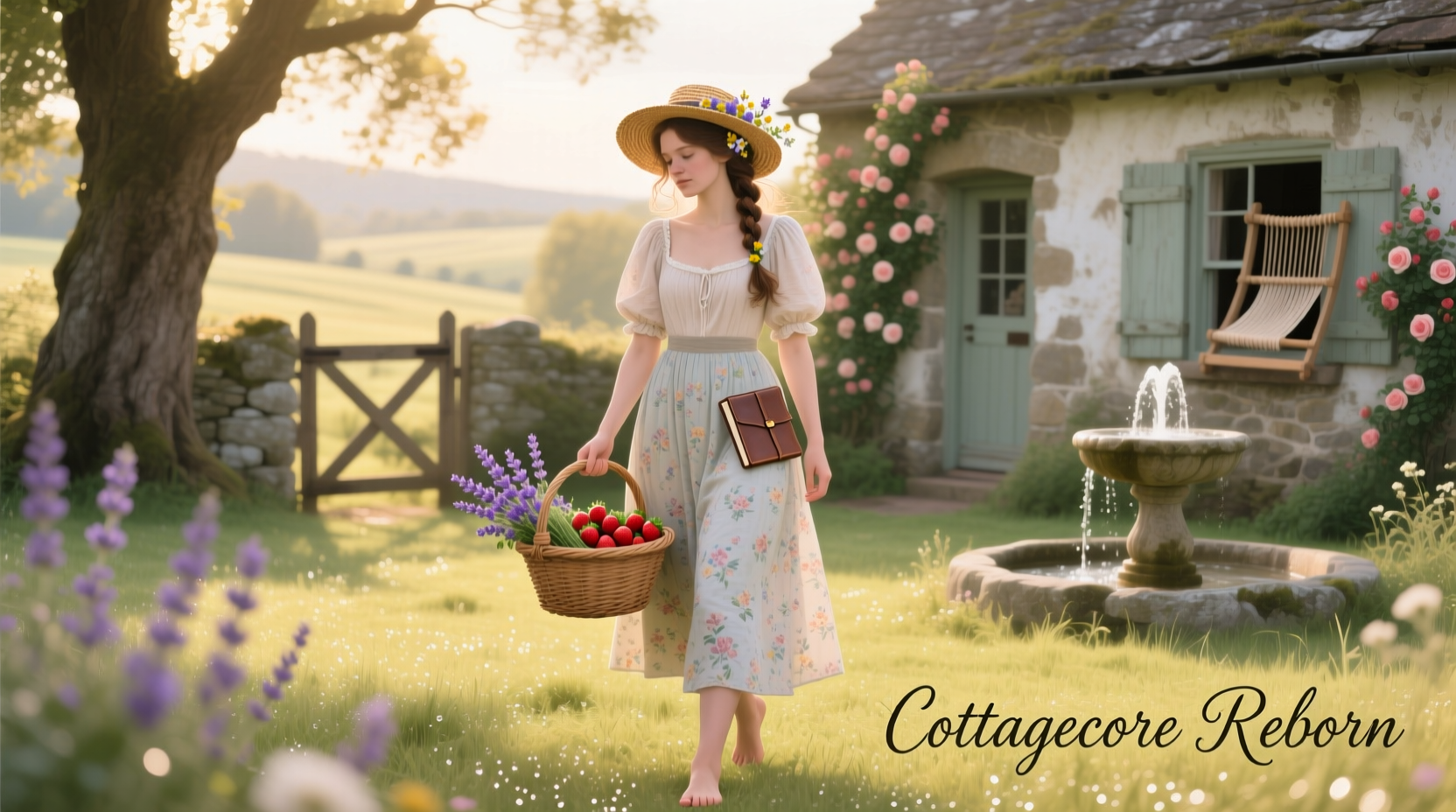
Cottagecore emerged as a digital-age longing for simplicity—a visual rebellion against fast fashion, burnout culture, and sterile minimalism. Its resurgence today reflects deeper cultural shifts: climate anxiety, a renewed interest in craftsmanship, and a desire for authenticity in both clothing and home environments. However, unlike its earlier iteration, which often leaned heavily on whimsy and fantasy, the new wave embraces realism. It’s not about pretending to live off-grid; it’s about bringing elements of that grounded, nature-connected life into modern routines.
Fashion historians note that aesthetics tend to cycle every 20–30 years, and cottagecore’s return aligns with broader trends revisiting early 2000s and late Victorian influences. Yet, what sets this revival apart is intentionality. As designer Mira Chen explains:
“Today’s cottagecore isn’t escapism—it’s integration. People aren’t trying to become milkmaids; they’re seeking warmth, texture, and meaning in their spaces and wardrobes.” — Mira Chen, Sustainable Fashion Curator
This mindset shift opens the door to styling cottagecore in ways that feel fresh, wearable, and relevant—without appearing costume-like or overly sentimental.
Modern Styling Principles for a Timeless Look
To avoid an outdated appearance, focus on balance. Cottagecore should complement your existing style, not dominate it. Think of it as a mood rather than a uniform. Here are foundational principles to guide your approach:
- Texture over theme: Prioritize natural fabrics—linen, cotton, wool, and hemp—over literal prints like cows or picket fences.
- Neutral foundation: Build outfits around earthy tones (oatmeal, sage, terracotta) with subtle floral or gingham accents.
- Proportion matters: Pair voluminous sleeves or long skirts with tailored pieces to ground the look.
- Footwear with purpose: Swap clogs for sleek leather boots or minimalist sandals instead of rustic lace-ups.
- Accessories with restraint: A single woven bag or antique brooch adds character without tipping into kitsch.
Wardrobe Essentials: What to Keep and What to Rethink
Not all cottagecore staples translate well to modern contexts. Some pieces carry strong historical associations that can read as dated if not styled carefully. The table below outlines common items, their risks, and updated alternatives.
| Traditional Item | Risk of Looking Outdated | Modern Alternative |
|---|---|---|
| Full prairie dress with ruffles | High – resembles historical costume | A-line midi dress in solid linen with puff sleeves |
| Lace-up peasant top | Moderate – can appear theatrical | Smocked cotton blouse with square neckline |
| Straw sunhat with ribbon | Low – classic when understated | Natural-fiber wide-brim hat in neutral tone |
| Over-the-knee socks with Mary Janes | High – leans into cosplay | Ankle socks with chunky loafers or low boots |
| Floral tea-length skirt | Low to moderate – depends on cut | Wrap skirt in botanical print with side slit |
The goal is not to reject tradition, but to reinterpret it. For example, swap a head-to-toe gingham ensemble for a single checked shirt layered under a cream cardigan. Let one piece evoke the aesthetic while the rest keep the look anchored in reality.
Real-Life Example: How Emma Updated Her Style
Emma, a 32-year-old graphic designer in Portland, loved cottagecore during lockdown but found her wardrobe felt increasingly irrelevant as she returned to hybrid work. Her closet was full of flowy dresses, crocheted vests, and embroidered blouses—beautiful, but impractical for client meetings.
She began editing her collection, keeping only pieces that could transition from day to evening. She paired a vintage-inspired puff-sleeve blouse with high-waisted black trousers and minimalist gold jewelry. For weekends, she wore a knee-length corduroy skirt with a turtleneck and ankle boots—adding a woven tote for texture. Over time, she built a capsule where cottagecore elements served as accents, not anchors.
“I realized I didn’t need to dress like a wood nymph to feel connected to nature,” she says. “Now my style feels calm, intentional, and still uniquely me.”
Step-by-Step Guide to Refreshing Your Cottagecore Wardrobe
If you’re drawn to the aesthetic but wary of looking stuck in the past, follow this five-step process to evolve your style:
- Audit your current pieces: Pull out every item labeled “cottagecore.” Assess each for versatility, fabric quality, and fit. Keep only those that feel authentic and wearable beyond themed events.
- Define your core palette: Choose 3–5 natural tones (e.g., moss green, sand, cream, rust). These will form the base of your updated look.
- Incorporate structure: Add tailored pieces—blazers, straight-leg jeans, trench coats—that contrast soft silhouettes and prevent a frilly impression.
- Elevate with details: Introduce cottagecore through subtle touches: a hand-stitched button, a linen pocket square, or a ceramic pendant necklace.
- Edit seasonally: Rotate in seasonal textures—cashmere in winter, seersucker in summer—to keep the aesthetic dynamic and weather-appropriate.
Home and Lifestyle: Extending the Aesthetic Beyond Clothing
Cottagecore extends beyond fashion into interiors and daily rituals. To maintain cohesion without veering into theme-park territory, focus on function-driven beauty. Instead of filling shelves with porcelain chickens, curate objects that serve a purpose and please the eye: a handmade mug for morning tea, a linen napkin set for meals, a cast-iron skillet used daily.
Interior stylist Lena Tran advises: “Think ‘lived-in poetry,’ not ‘museum display.’ A room should feel collected over time, not assembled overnight.”
“The most enduring cottagecore spaces blend heirloom pieces with modern comforts—like a vintage quilt draped over a mid-century sofa.” — Lena Tran, Interior Stylist
Simple changes make a difference: switch synthetic candles for beeswax, use cloth produce bags, grow herbs on your windowsill. These habits embody the ethos without requiring a full aesthetic overhaul.
Checklist: Modern Cottagecore Styling Do’s and Don’ts
Use this checklist to ensure your interpretation stays fresh and wearable:
- ✅ Do choose high-quality natural materials over polyester blends.
- ✅ Do mix vintage-inspired pieces with modern silhouettes.
- ✅ Do prioritize comfort and ease of movement.
- ✅ Do use plants, ceramics, and handmade goods to enhance atmosphere.
- ❌ Don’t overload on patterns—limit to one statement print per outfit.
- ❌ Don’t wear head-to-toe floral—balance with solids.
- ❌ Don’t neglect grooming—clean lines and tidy hair prevent a disheveled look.
- ❌ Don’t force the aesthetic into inappropriate settings (e.g., formal business events).
Frequently Asked Questions
Is cottagecore only for women?
No. While early iterations were feminized, modern cottagecore embraces gender-neutral expressions. Men and non-binary individuals are incorporating the aesthetic through workwear-inspired linen shirts, chore jackets, wooden watches, and slow-living practices like bread-baking or gardening. The essence—connection to nature and mindful living—is universal.
Can I embrace cottagecore in a city apartment?
Absolutely. Urban cottagecore focuses on micro-elements: indoor plants, warm lighting, analog hobbies like journaling or knitting, and shopping at farmers' markets. It’s about cultivating peace and presence, regardless of location.
How do I avoid looking costumey at work?
Integrate the aesthetic subtly: wear a tucked-in cotton blouse with dark jeans, carry a canvas tote, or opt for brown leather loafers. Avoid exaggerated silhouettes or overtly rustic accessories. Let the vibe come through in texture and tone, not theatrics.
Conclusion: Embrace the Spirit, Not the Stereotype
The return of cottagecore isn’t about reliving a fantasy—it’s about reclaiming values: slowness, care, and connection. When styled with awareness and modern context, it becomes a powerful tool for self-expression and resistance to disposable culture. You don’t need a countryside cottage to live by its principles. A linen shirt, a well-tended houseplant, or a walk taken without your phone can be quiet acts of rebellion in a noisy world.




 浙公网安备
33010002000092号
浙公网安备
33010002000092号 浙B2-20120091-4
Comments
No comments yet. Why don't you start the discussion?