
There’s a quiet magic in the way sunlight filters through trees, dew clings to wildflowers, and linen shifts in a summer breeze. Cottagecore fashion captures that essence—not as a costume, but as a gentle return to simplicity, nature, and softness. It’s not about dressing up for a fantasy photoshoot; it’s about feeling at home in your clothes, like you’ve stepped out of a watercolor painting and into a life of dappled light and hand-stitched seams.
The beauty of this aesthetic lies in its accessibility. You don’t need a wardrobe overhaul or a mystical transformation. With a few intentional choices, you can embody the effortless grace of a woodland spirit—without looking like you’re trying too hard. The goal is authenticity: to wear pieces that feel natural, breathable, and rooted in comfort, while still carrying a whisper of whimsy.
Core Principles of Cottagecore Style
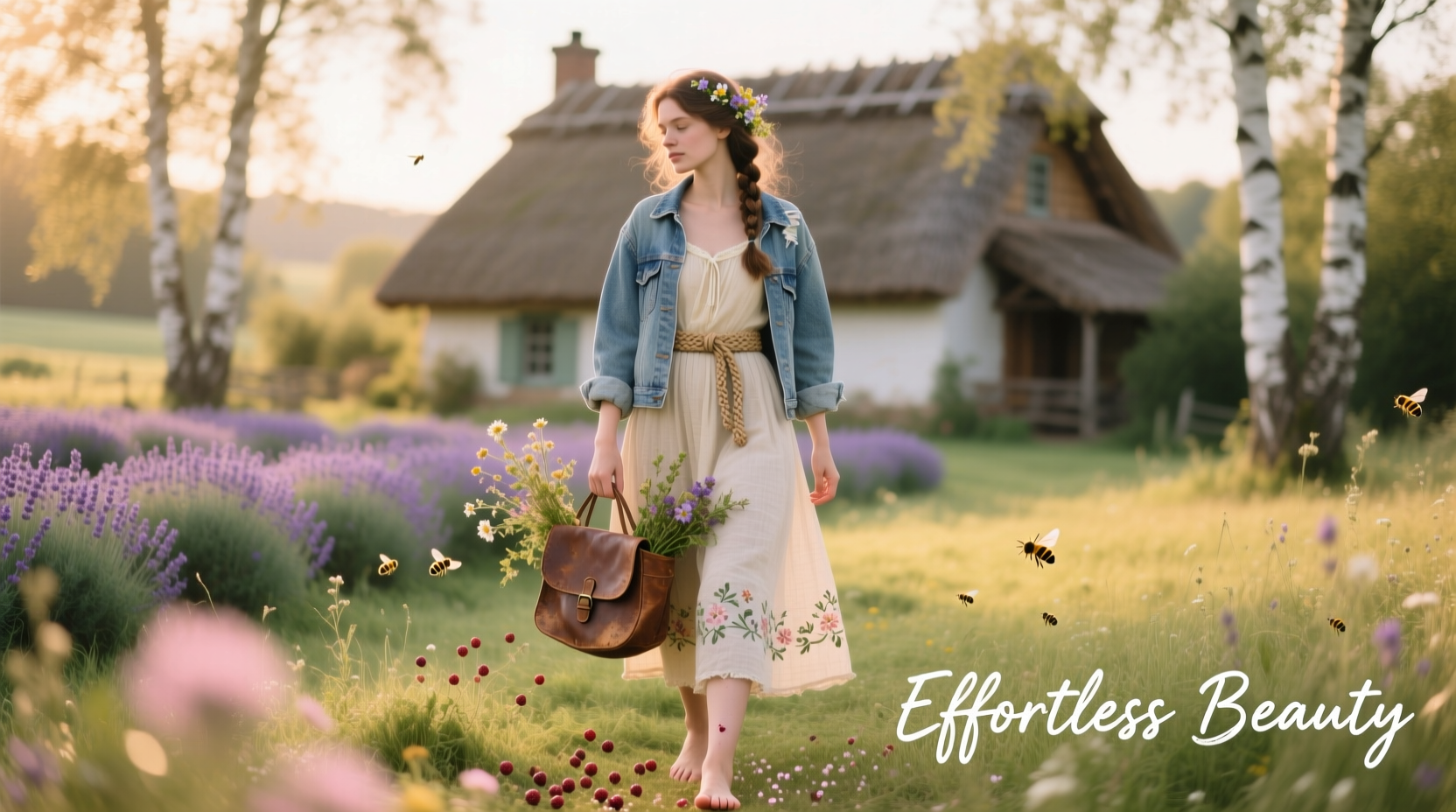
Cottagecore isn’t just about floral prints and puffy sleeves—it’s a philosophy expressed through fabric, silhouette, and intention. At its heart, this style celebrates self-sufficiency, nostalgia, and a deep connection to the land. Fashion becomes an extension of a slower, more mindful way of living.
Key principles include:
- Natural materials: Cotton, linen, wool, and hemp are favored for their breathability and biodegradability.
- Soft silhouettes: Flowing lines, loose fits, and unstructured shapes mimic the irregular beauty of nature.
- Earthy color palettes: Think moss green, oat beige, sky blue, faded rose, and cream—colors pulled from meadows, soil, and morning mist.
- Handmade details: Crochet trims, embroidery, mending, and visible stitching add soul and individuality.
- Timelessness: Pieces are chosen to last, worn across seasons, and passed down—not discarded after one season.
This isn’t fast fashion disguised as pastoral charm. It’s about curating a wardrobe that feels lived-in, loved, and quietly poetic.
Essential Wardrobe Pieces for a Fairy-Like Aesthetic
To look like a fairy without appearing costumed, focus on foundational items that blend seamlessly into everyday life while carrying a dreamlike quality. These are not costumes—they are elevated basics with a touch of romance.
- Smocked or puff-sleeve blouses: Often made from lightweight cotton or eyelet lace, these tops add subtle drama without overwhelming. Pair with high-waisted jeans or a simple skirt for balance.
- Maxi and midi-length skirts: A-line or tiered skirts in floral or gingham prints move beautifully and evoke vintage countryside charm. Linen or cotton blends keep them practical for daily wear.
- Apron dresses: Functional yet whimsical, these often feature pockets, buttons down the front, and adjustable ties. Ideal for gardening, baking, or wandering through farmers' markets.
- Knee-high or ankle boots in neutral tones: Choose leather or faux leather in brown, tan, or black. Avoid overly shiny finishes—matte textures feel more grounded.
- Cardigans and knits: Oversized, cable-knit cardigans in cream or sage green are perfect for layering. Look for hand-finished edges or subtle patterns.
- Straw hats and woven accessories: A wide-brimmed straw hat adds instant pastoral elegance. Woven bags, fabric hair ribbons, and wooden buttons complete the look.
The trick is moderation. One standout piece per outfit is enough—a puff-sleeve top with jeans, or a flowy skirt with a plain turtleneck. This keeps the look wearable and avoids veering into theatrical territory.
How to Style Cottagecore Without Looking Costumey
Many people love the idea of cottagecore but worry about seeming impractical or overly themed. The key is integration—blending fairy-like elements into real-life routines so they feel organic, not performative.
Start by anchoring your outfit with modern staples. For example, pair a ruffled blouse with straight-leg denim and minimalist sandals. Or wear a long, floral dress with a structured tote and sleek sunglasses—this contrast keeps the look balanced and current.
Footwear plays a crucial role. While knee-high boots work in cooler months, opt for simple leather sandals, espadrilles, or canvas sneakers in warmer weather. Avoid anything too ornate or delicate-looking unless you’re dressing for a specific occasion.
| Do | Don’t |
|---|---|
| Mix vintage-inspired pieces with modern basics | Wear head-to-toe floral prints without breaks |
| Use nature-inspired accessories (wood, wicker, linen) | Add glitter, plastic jewelry, or synthetic fabrics |
| Embrace visible mending and handmade touches | Over-accessorize with too many ribbons or trinkets |
| Let hair air-dry with soft waves or loose braids | Style hair with heavy hairspray or tight updos |
| Choose scents like lavender, vetiver, or rain | Wear bold perfumes or metallic makeup |
Remember, fairies aren’t fussy. They live simply, move lightly, and leave no trace. Your wardrobe should reflect that ease.
“Cottagecore is less about how you look and more about how you feel—rooted, calm, and connected. The clothes are just an echo of that inner state.” — Lila Montgomery, Slow Fashion Advocate
Building a Cottagecore Capsule: A Step-by-Step Guide
You don’t need dozens of pieces to embrace this aesthetic. A well-curated capsule wardrobe ensures versatility, reduces decision fatigue, and aligns with sustainable values.
- Assess your lifestyle: Are you working from home, walking in nature, attending casual gatherings? Build around real activities, not imagined scenes.
- Choose a seasonal palette: Select 4–5 base colors (e.g., cream, olive, rust, navy) and 1–2 accent tones (like dusty rose or sage). Stick to natural dyes where possible.
- Pick 5 core garments: Examples: a linen dress, a smocked blouse, a tiered skirt, a knit cardigan, and high-waisted trousers. Ensure they mix and match easily.
- Add 3 supportive layers: A trench coat, a wool shawl, and a pinafore apron can transform outfits across seasons.
- Select 2 pairs of shoes: One closed (boots or oxfords), one open (sandals or flats). Neutral colors maximize combinations.
- Incorporate 3 handmade or vintage accessories: A crocheted bag, a silk scarf, or a wooden hair clip add character without clutter.
- Test for cohesion: Lay everything out. Can each top pair with each bottom? Do colors harmonize? Adjust as needed.
This process takes time—don’t rush it. Thrift stores, small ethical brands, and even family heirlooms are excellent sources. The best cottagecore pieces often have a history, a slight imperfection, or a story behind them.
Real-Life Example: Emma’s Transition to Cottagecore
Emma, a 32-year-old librarian from Vermont, didn’t set out to adopt cottagecore. She was simply tired of stiff office clothes and wanted something softer. After watching a documentary on sustainable fashion, she began donating her polyester blazers and replacing them slowly.
Her first purchase was a cream-colored linen blouse with tiny puff sleeves. She paired it with her existing dark jeans and brown loafers. Colleagues complimented her “effortless” look. Encouraged, she added a tiered midi skirt in moss green and a hand-knit cardigan from a local artisan market.
She started gardening on weekends, wearing wide-brimmed hats and tying her hair back with cotton ribbons. Her Instagram, once filled with coffee shop selfies, now features quiet moments: her hands in soil, a teacup on a windowsill, light streaming through sheer curtains.
“I don’t feel like I’m playing a role,” she says. “I feel more like myself than ever. I dress like someone who grows her own herbs and reads poetry in the bath. And honestly? That’s exactly who I am now.”
Emma’s journey shows that cottagecore isn’t about perfection—it’s about alignment. When your clothing reflects your values and rhythms, the fairy-like aura emerges naturally.
Frequently Asked Questions
Can I wear cottagecore to work?
Absolutely—if your workplace allows casual or creative attire. Opt for tailored linen trousers, a modest smock dress, or a pinafore over a collared shirt. Keep colors muted and avoid excessive ruffles. Pair with polished footwear like oxfords or low block heels to maintain professionalism.
Is cottagecore only for women?
No. While much of the visual language centers on traditionally feminine silhouettes, the core values—simplicity, sustainability, and connection to nature—are universal. Men and non-binary individuals can embrace the aesthetic through flannel shirts, corduroy pants, suspenders, wool vests, and sturdy lace-up boots. The mood matters more than gendered presentation.
Isn’t this just another trend?
It can be, if approached superficially. But at its best, cottagecore is a slow living movement disguised as fashion. People drawn to it often go on to grow food, mend clothes, reduce waste, and spend more time outdoors. The clothes are just the beginning of a deeper shift.
Final Checklist: Your Cottagecore Foundation
Before you begin building your wardrobe, run through this checklist to ensure you’re on the right path:
- ☐ Prioritize natural, breathable fabrics (linen, cotton, wool)
- ☐ Choose earthy, desaturated colors
- ☐ Invest in one statement piece (e.g., puff-sleeve blouse or tiered skirt)
- ☐ Add at least one handmade or vintage accessory
- ☐ Limit synthetic materials and flashy embellishments
- ☐ Wear your clothes with ease—no stiffness, no discomfort
- ☐ Let your environment inspire your style (gardens, forests, kitchens)
This isn’t about becoming someone else. It’s about uncovering the version of yourself that already exists beneath the noise—the one who hums while watering plants, who prefers bare feet on grass, who finds joy in a perfectly steeped cup of chamomile tea.
Conclusion: Embrace the Quiet Magic
You don’t need wings, glitter, or a spellbook to look like a fairy. You need only to dress in a way that honors slowness, softness, and the quiet beauty of ordinary moments. Cottagecore fashion, at its core, is an invitation—to breathe deeper, walk slower, and wear what makes your soul sigh with relief.
Start small. Swap one synthetic top for a linen one. Trade your leather handbag for a woven basket. Tie your hair with a scrap of vintage fabric. These tiny acts accumulate into a life that feels enchanted, not because it’s fantastical, but because it’s true.




 浙公网安备
33010002000092号
浙公网安备
33010002000092号 浙B2-20120091-4
Comments
No comments yet. Why don't you start the discussion?