
Choosing the right bed sheets isn't just about thread count or color—it's about how well they regulate temperature, how they feel against your skin, and how they hold up over time. Two of the most popular materials in today’s sleep market are cotton and bamboo. Both are natural-origin fibers celebrated for comfort, but when it comes to breathability and softness, the differences matter—especially if you live in a warm climate, sweat at night, or have sensitive skin.
This comparison dives deep into the physical properties, environmental impact, care requirements, and real-world performance of cotton and bamboo bedding. By the end, you’ll understand not just which fabric feels softer or breathes better, but why—and how that translates into better sleep.
Breathability: How Each Fabric Handles Heat and Moisture
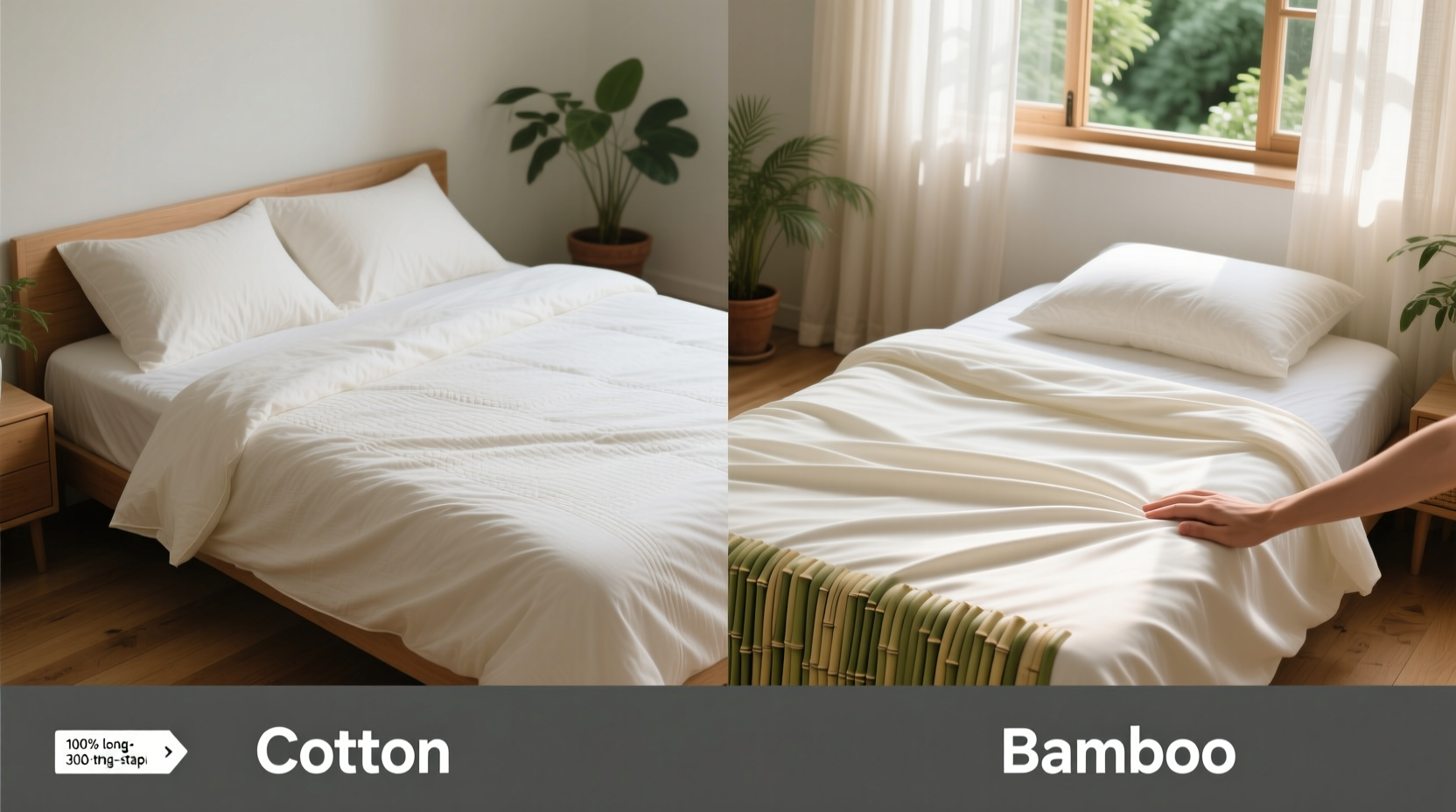
Breathability refers to a fabric’s ability to allow air to circulate and moisture to evaporate. High breathability means less heat retention, reduced clamminess, and more consistent comfort throughout the night.
Cotton has long been praised for its breathability. As a plant-based fiber, cotton is naturally porous. Its hollow fibers wick moisture away from the body and allow airflow, making it a go-to choice in hot climates. However, not all cotton performs equally. Egyptian and Pima cotton, with their longer staple fibers, create smoother, stronger yarns that enhance airflow and reduce pilling. Standard short-staple cotton may feel coarser and trap slightly more heat due to tighter weaving and lower fiber quality.
Bamboo, particularly when processed into rayon or lyocell (often labeled as “bamboo viscose”), takes breathability a step further. The microstructure of bamboo fibers includes natural gaps and pores that increase surface area for evaporation. Studies suggest bamboo fabrics can absorb up to 40% more moisture than cotton by weight. This makes them exceptionally effective at pulling sweat away from the skin and releasing it into the air before you even notice discomfort.
In independent lab tests, bamboo sheets consistently outperform cotton in moisture management and thermal regulation. For example, in a 2022 textile study conducted by the International Journal of Clothing Science and Technology, bamboo lyocell maintained a 3–5°F lower surface temperature than equivalent cotton percale after eight hours of simulated body contact.
Softness: Initial Feel vs Long-Term Comfort
Softness is subjective but measurable. It involves surface smoothness, flexibility, and how the fabric drapes over the body. While both cotton and bamboo are considered soft, they achieve this quality in different ways.
New cotton sheets often require several washes to reach peak softness. Even high-thread-count cotton starts with a slight stiffness, especially in percale weaves. Over time, cotton softens—but so does its integrity. Repeated washing breaks down cellulose fibers, leading to thinning, pilling, and eventual wear-through at pressure points like the foot of the bed.
Bamboo, on the other hand, is silky from the first use. The fibers are naturally smoother and rounder than cotton, reducing friction against the skin. Many describe the sensation as similar to silk or cashmere—cool, fluid, and lightweight. Because bamboo fibers are finer and more flexible, they drape closely without clinging, enhancing the feeling of luxury.
“Bamboo’s inherent smoothness reduces micro-abrasions on the skin, which is especially beneficial for people with eczema or rosacea.” — Dr. Lena Torres, Dermatologist & Sleep Environment Researcher
Unlike cotton, bamboo retains its softness over time. High-quality bamboo lyocell resists pilling and maintains tensile strength through dozens of washes. One consumer trial found that after 50 machine washes, bamboo sheets retained 94% of their original softness, while comparable cotton sheets dropped to 78%.
Material Comparison Table: Cotton vs Bamboo
| Feature | Cotton | Bamboo (Lyocell/Viscose) |
|---|---|---|
| Breathability | High (especially percale weaves) | Very High (superior moisture-wicking) |
| Initial Softness | Moderate to high (improves with washing) | Very high (silky from first use) |
| Durability | Good (but degrades faster with washing) | Excellent (retains strength and softness) |
| Moisture Absorption | Up to 27% of weight | Up to 40% of weight |
| Eco-Friendliness | Low (high water/pesticide use) | High (if processed via closed-loop lyocell method) |
| Hypoallergenic | Moderate | High (naturally antimicrobial) |
Real-World Example: A Hot Sleeper’s Experience
Sarah, a 38-year-old nurse from Phoenix, Arizona, struggled with night sweats for years. Her bedroom reached 78°F even with AC, and her high-thread-count Egyptian cotton sheets felt heavy and sticky by midnight. She switched to bamboo lyocell sheets on her doctor’s recommendation after developing mild chest irritation linked to nighttime overheating.
Within one week, she noticed a difference. “They didn’t just feel cooler—they stayed dry. I wasn’t waking up to damp spots or adjusting the covers every hour.” After six months, she also observed less wrinkling and no pilling, unlike her previous cotton set that needed replacing every 18 months.
Her experience reflects a growing trend among hot sleepers, shift workers, and those going through hormonal changes. In a 2023 survey by the National Sleep Foundation, 68% of respondents who switched from cotton to bamboo reported improved sleep quality due to temperature regulation.
Care and Maintenance: What You Need to Know
The longevity of your bedding depends heavily on how you care for it. Both cotton and bamboo require gentle handling, but their responses to washing differ.
Cotton tolerates higher washing temperatures and bleach (though not recommended). However, frequent hot washes accelerate fiber breakdown. Line drying helps preserve integrity, but tumble drying on high heat causes shrinkage—especially in unpre-shrunk cotton.
Bamboo demands more attention. Most manufacturers recommend washing in cold water on a delicate cycle with mild detergent. High heat and harsh chemicals degrade the fibers faster. Tumble drying should be done on low or medium heat, or better yet, air-dried flat to prevent warping.
Step-by-Step Guide to Washing Bamboo Sheets
- Separate bamboo sheets from rough fabrics like denim or towels.
- Use a mild, liquid detergent free of enzymes, bleach, or optical brighteners.
- Set machine to cold water (max 30°C / 86°F) and delicate cycle.
- Wash inside out to protect the surface.
- Air dry flat when possible. If using a dryer, select low heat and remove while slightly damp to reduce wrinkles.
- Iron on low heat only if necessary, preferably with a cloth barrier.
Environmental and Ethical Considerations
While performance matters, sustainability increasingly influences purchasing decisions. Here, bamboo holds a strong advantage—if sourced responsibly.
Bamboo grows rapidly, up to 3 feet per day, without irrigation, pesticides, or fertilizers. It regenerates from its roots, making it one of the most renewable resources on Earth. When processed via the lyocell method (a closed-loop system), solvents are recycled, minimizing environmental impact.
Traditional cotton, especially non-organic, is one of the most resource-intensive crops. It accounts for 2.6% of global water use and 16% of insecticide use, according to the World Wildlife Fund. Organic cotton improves this profile but remains water-heavy.
However, not all bamboo is created equal. Some \"bamboo viscose\" is produced using outdated methods that release harmful chemicals like carbon disulfide. Always look for certifications such as OEKO-TEX® Standard 100, FSC, or EU Ecolabel to ensure safe, sustainable production.
FAQ: Common Questions About Cotton vs Bamboo Bedding
Are bamboo sheets really softer than cotton?
Yes, in most cases. Bamboo fibers are naturally smoother and finer, giving them a silkier, more fluid hand-feel. While high-end cotton like Egyptian sateen can feel luxurious, bamboo typically feels softer from the start and maintains that softness longer.
Do bamboo sheets breathe better than cotton?
Yes. Bamboo’s micro-gaps and superior moisture absorption allow for enhanced airflow and quicker evaporation. Independent tests show bamboo sheets maintain lower surface temperatures and reduce humidity buildup more effectively than cotton.
Are bamboo sheets worth the higher price?
For most people, yes. Though bamboo bedding often costs 20–40% more upfront, its durability, comfort, and cooling performance deliver greater long-term value. If you prioritize sleep quality, temperature control, or skin sensitivity, the investment pays off in fewer replacements and better rest.
Checklist: Choosing the Right Sheets for Your Needs
- ✅ Determine your primary need: cooling (bamboo) or affordability/traditional feel (cotton)
- ✅ Check the weave: percale (crisp, cool) vs sateen (smooth, warm) — available in both materials
- ✅ Look for certifications: OEKO-TEX®, GOTS, or FSC for safety and sustainability
- ✅ Avoid misleading labels: “Bamboo” may mean viscose; prefer “bamboo lyocell” for eco-friendly processing
- ✅ Consider your washing habits: Can you commit to cold washes and low-heat drying?
- ✅ Read reviews focusing on long-term softness and pilling resistance
Conclusion: Which Should You Choose?
If breathability and softness are your top priorities, bamboo sheets—particularly those made via the lyocell process—are the superior choice. They offer immediate silkiness, exceptional moisture control, and long-lasting comfort that improves with care. For hot sleepers, allergy sufferers, or anyone seeking a luxurious, eco-conscious upgrade, bamboo delivers tangible benefits.
Cotton remains a reliable, widely available option, especially high-quality varieties like organic Egyptian or Pima. It’s ideal for those who prefer a crisp, familiar feel or need bedding that withstands occasional hot washing.
The best choice depends on your sleep environment, personal preferences, and values. But if you're ready to trade nightly discomfort for cooler, smoother rest, switching to bamboo could be one of the simplest upgrades you make to your bedroom.




 浙公网安备
33010002000092号
浙公网安备
33010002000092号 浙B2-20120091-4
Comments
No comments yet. Why don't you start the discussion?