
Setting a dining table might seem like a small detail, but it plays a significant role in shaping the atmosphere of a meal. While some prefer the minimalist charm of a bare wooden table, others swear by the elegance and protection offered by a cotton linen tablecloth. The choice isn’t just aesthetic—it involves practical considerations like upkeep, longevity, cost, and daily usability. For those weighing whether the added effort and expense of a cotton linen tablecloth are justified, a closer look at both options reveals nuanced trade-offs.
The Aesthetic and Functional Divide
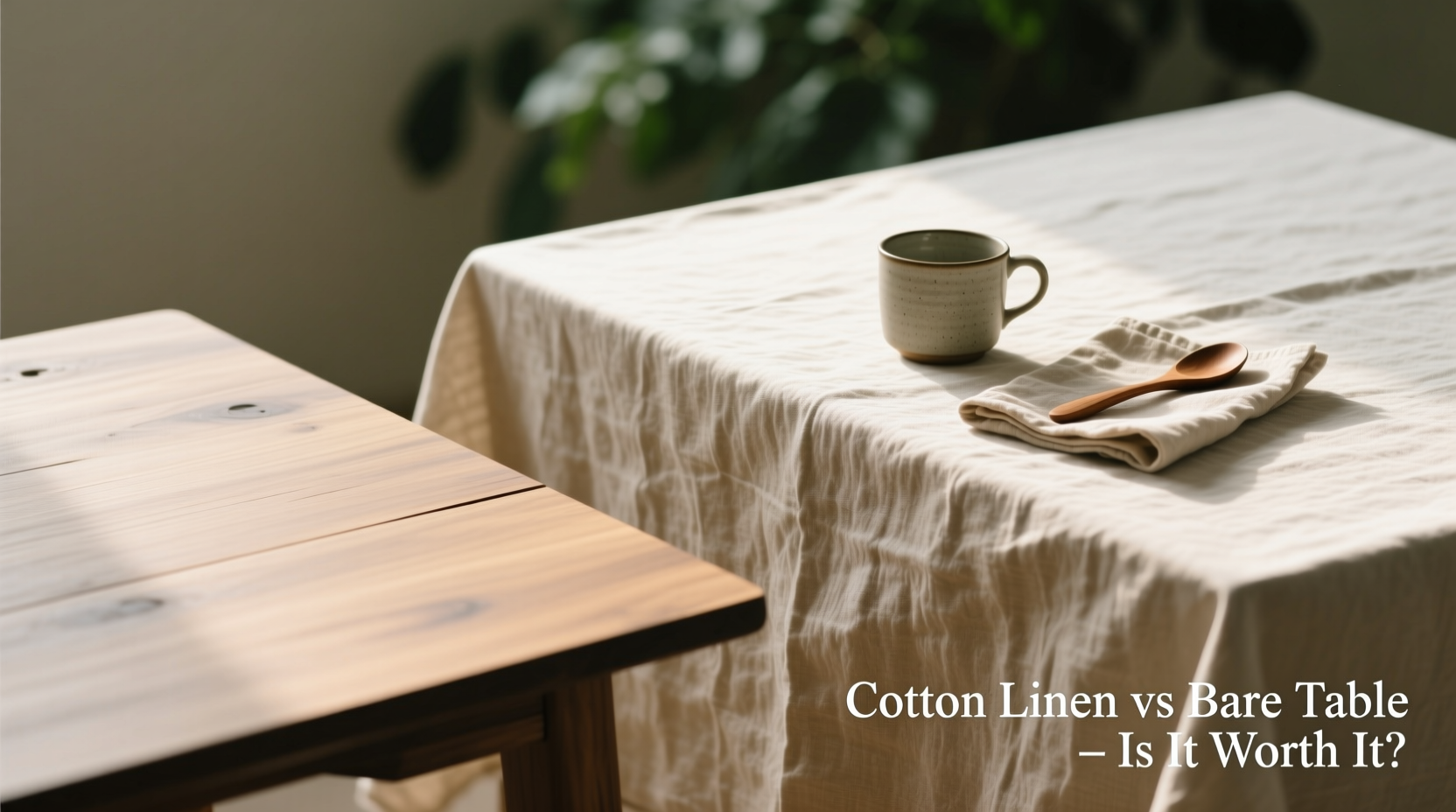
A bare table showcases craftsmanship—whether it’s the grain of solid wood, the finish of engineered surfaces, or the patina that develops over time. It's low-maintenance and suits modern, rustic, or industrial interiors where authenticity and simplicity are prized. However, without protection, the surface is exposed to heat, spills, scratches, and stains.
In contrast, a cotton linen tablecloth introduces texture, color, and formality. Linen, especially when blended with cotton for durability, softens the visual weight of a table and adds warmth. It can transform an everyday meal into something more intentional. But this comes with responsibilities: laundering, ironing, and storage. The fabric absorbs spills but also shows stains more readily than a sealed tabletop.
Cost Comparison Over Time
At first glance, keeping a table bare appears cost-free. But consider long-term wear: scratches from cutlery, water rings, wine spills, and sun fading may necessitate refinishing or replacement. High-quality wood tables can cost hundreds or thousands of dollars; refinishing services add up quickly.
Cotton linen tablecloths range from $30 for basic weaves to $150+ for premium European flax blends. While the upfront cost is clear, their lifespan depends on care. Well-maintained linens can last 5–10 years, even with regular use. When you factor in avoided refinishing costs and extended furniture life, the investment often balances out—or pays off.
“Protective layers aren’t just about looks—they’re insurance for your furniture. A good tablecloth reduces micro-damage that accumulates invisibly over time.” — Daniel Reeves, Interior Durability Consultant
Maintenance Realities: Effort vs. Reward
One of the biggest deterrents to using tablecloths is perceived maintenance. Cotton linen requires washing after each heavy use, ideally in cool water with mild detergent. Tumble drying on low helps reduce stiffness, though many purists recommend line drying and ironing for a crisp finish.
But modern blends have made care easier. Many cotton-linen mixes resist wrinkling and tolerate machine washing better than pure linen. With routine care, these fabrics age gracefully, becoming softer and more absorbent over time. Stains can be managed with prompt treatment—baking soda for oil, vinegar for organic stains—and most imperfections fade rather than ruin the piece.
On the other hand, bare tables demand their own upkeep: polishing, sealing, and vigilant wiping. Wood surfaces react poorly to acidic foods, hot pans, and prolonged moisture. Wipe-downs must be immediate, and protective treatments repeated every few months for optimal defense.
Step-by-Step Guide to Maintaining a Cotton Linen Tablecloth
- Shake or brush off debris immediately after use to prevent ground-in dirt.
- Pre-treat stains within 24 hours using natural agents like hydrogen peroxide (for whites) or diluted dish soap.
- Wash in cold water on a gentle cycle with mild, bleach-free detergent.
- Dry flat or on low heat to minimize shrinkage and wrinkling.
- Iron while slightly damp using medium-high heat for a polished look.
- Store folded in a dry, ventilated space, away from direct sunlight to prevent fiber degradation.
Practical Use Case: The Weekend Family Dinner
Consider the Smith household: a family of four with two young children. Their reclaimed oak table was beautiful but began showing scuffs, crayon marks, and juice stains within months. After investing in two cotton-linen tablecloths ($65 each), they noticed immediate improvements. Spills were contained, food didn’t stick to the surface, and cleanup became faster. Though they now do an extra load of laundry weekly, the table remains pristine after 18 months—no refinishing needed.
Meanwhile, their friends, the Garcias, keep their glass-top table bare. They appreciate the sleek look and easy wipe-downs. But one spilled red wine left a permanent etch on the sealant, and crumbs constantly fall into gaps. They admit that “looking clean” requires constant attention, whereas the Smiths’ setup feels more forgiving.
This illustrates a key insight: the best choice depends on lifestyle. Families with kids, frequent entertaining, or messy meals benefit more from the buffer a tablecloth provides. Minimalists or those with durable, non-porous tables may find less need for fabric protection.
Comparison Table: Cotton Linen Tablecloth vs Bare Table
| Factor | Cotton Linen Tablecloth | Bare Table |
|---|---|---|
| Initial Cost | $30–$150+ | $0 (but risk of future repair) |
| Maintenance Frequency | After each major use (washing) | Daily wiping, periodic sealing |
| Stain Resistance | Moderate (absorbs liquids) | Low (depends on finish) |
| Durability | High with proper care (5–10 years) | Medium (vulnerable to scratches, heat) |
| Aesthetic Flexibility | High (change style seasonally) | Fixed (limited to table appearance) |
| Kid & Pet Friendliness | High (replaceable, washable) | Low (damage is permanent) |
| Environmental Impact | Moderate (water/energy for washing) | Low (no laundering) |
FAQ: Common Questions Answered
Do cotton linen tablecloths shrink?
Yes, especially in hot water. Most shrink 3–5% on first wash. To minimize this, always follow care labels and wash in cold water. Pre-washed linens are available for better size retention.
Can I leave a tablecloth on my table all the time?
You can, but it’s not recommended. Constant exposure to dust, moisture, and sunlight degrades fibers. Remove and air out regularly, and never store a damp cloth, as mold and mildew can develop.
Is a bare table more hygienic?
Not necessarily. Wood and sealed surfaces can harbor bacteria if not cleaned properly. Linen, when washed regularly, is just as sanitary—and more effective at containing messes before they reach the surface.
Final Verdict: Is It Worth the Effort and Cost?
The answer hinges on priorities. If ease and minimalism top your list, and your table is made of resilient material like tempered glass or sealed composite, going bare may suit you. But for most households—especially those with children, frequent guests, or valuable furniture—a cotton linen tablecloth offers tangible benefits that outweigh the modest effort required.
It protects your investment, enhances ambiance, and provides flexibility no fixed surface can match. The ritual of setting the table with care subtly elevates everyday moments. And over time, the cost savings from avoiding repairs and replacements often justify the initial purchase.
Moreover, sustainability-minded users may appreciate that extending the life of both table and textile reduces waste. A well-loved linen cloth develops character, much like the table beneath it.
Conclusion: Make Your Table Work for You
The debate between cotton linen tablecloths and bare tables isn’t about right or wrong—it’s about alignment with your lifestyle. For many, the slight increase in maintenance is a fair trade for beauty, protection, and peace of mind. Consider starting with one high-quality tablecloth for special occasions, then expand as you experience the benefits firsthand.




 浙公网安备
33010002000092号
浙公网安备
33010002000092号 浙B2-20120091-4
Comments
No comments yet. Why don't you start the discussion?