
A cough lasting more than seven days is a frequent concern, yet many people dismiss it as a minor inconvenience. While most short-term coughs are due to mild infections and resolve on their own, persistent coughing can signal underlying conditions that require attention. Understanding the possible causes, recognizing red flags, and knowing when to consult a healthcare provider can prevent complications and support faster recovery.
Coughing is your body’s natural defense mechanism—designed to clear irritants, mucus, or foreign particles from the airways. But when a cough lingers beyond a few days, especially without improvement, it may indicate something more than a passing cold. This article explores the most common reasons for a week-long cough, outlines key symptoms to monitor, and provides practical guidance on managing symptoms and determining when professional evaluation is necessary.
Common Causes of a Week-Long Cough
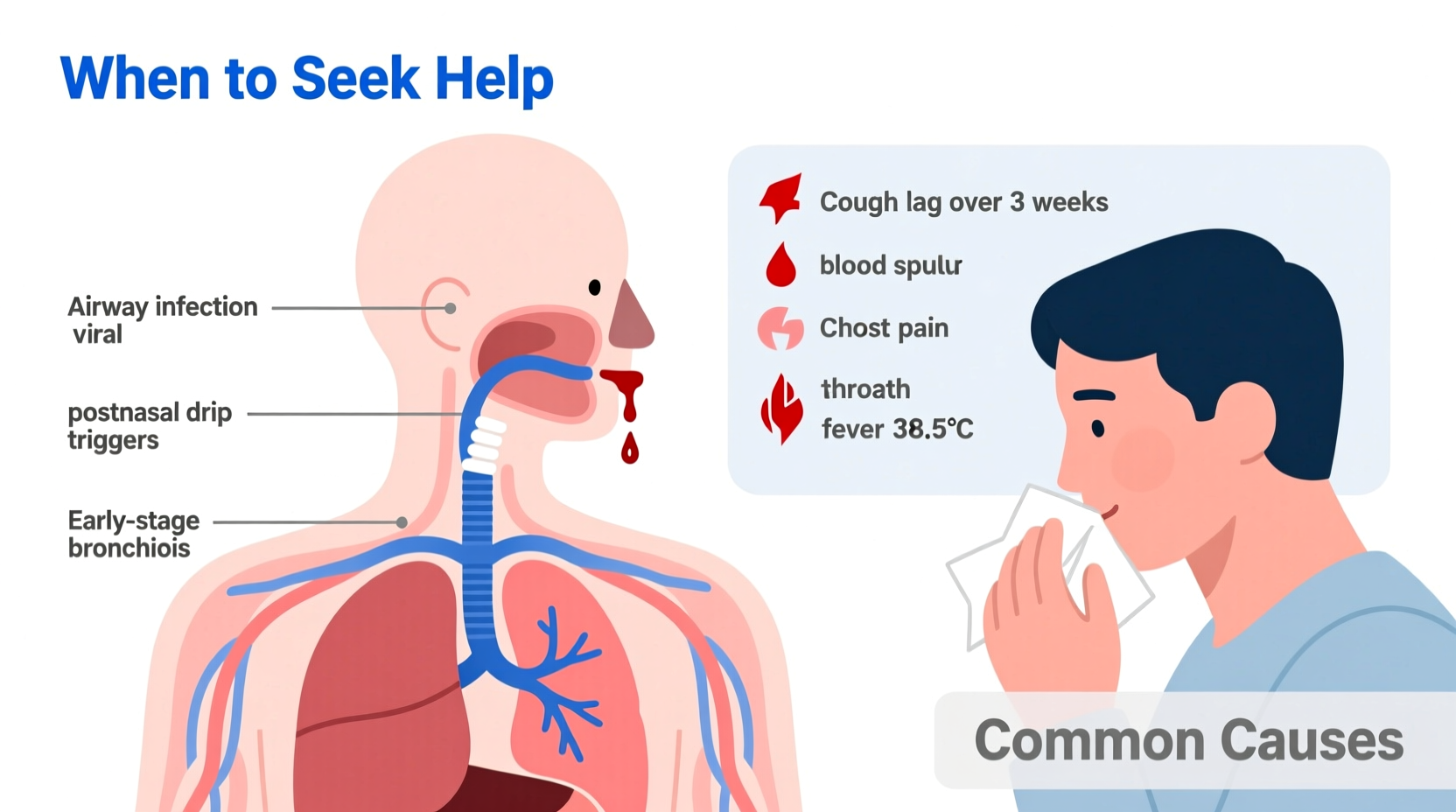
A cough persisting for seven days often stems from viral or bacterial infections, environmental triggers, or chronic conditions. The nature of the cough—dry or productive, time of day, accompanying symptoms—can offer clues about its origin.
- Viral Upper Respiratory Infections: The most common cause. Colds and flu viruses inflame the nasal passages and throat, leading to postnasal drip and irritation-induced coughing. These typically improve within 7–10 days.
- Bronchitis: Acute bronchitis, often following a cold, involves inflammation of the bronchial tubes. It produces a wet or mucus-filled cough that can last several weeks even after other symptoms fade.
- Allergies: Seasonal or environmental allergens like pollen, dust, or pet dander trigger postnasal drip and chronic throat clearing. Allergy-related coughs are often worse at night or upon waking.
- Asthma: A chronic condition where airways become inflamed and narrow. Cough-variant asthma presents primarily as a dry, persistent cough, especially during exercise or at night.
- Gastroesophageal Reflux Disease (GERD): Stomach acid backing up into the esophagus can irritate the throat and provoke a chronic cough, typically after meals or when lying down.
- Environmental Irritants: Smoke, strong perfumes, pollution, or dry air can all lead to prolonged throat irritation and coughing.
When to Be Concerned: Warning Signs That Require Medical Attention
While many coughs resolve with rest and home care, certain symptoms should not be ignored. The duration alone isn’t always the deciding factor—what accompanies the cough matters just as much.
“Not every persistent cough is dangerous, but some are signals of conditions needing prompt treatment. Don’t wait if you’re having trouble breathing or coughing up blood.” — Dr. Lena Patel, Pulmonologist
Seek immediate medical evaluation if you experience any of the following:
- Coughing up blood (even small streaks in mucus)
- Shortness of breath or wheezing
- Chest pain, especially when breathing deeply
- Fever over 101°F (38.3°C) lasting more than three days
- Unexplained weight loss or night sweats
- Symptoms worsening after initial improvement
- History of lung disease, smoking, or weakened immunity
Home Management and Supportive Care
For most mild, non-alarming coughs, supportive care can ease discomfort and promote healing. The goal is to soothe irritated tissues, thin mucus, and support immune function.
| Symptom | Recommended Action | Avoid |
|---|---|---|
| Dry, tickly cough | Honey in warm tea, humidifier, throat lozenges | Decongestants (can dry airways further) |
| Wet, mucus-producing cough | Stay hydrated, use saline nasal spray, consider expectorants | Cough suppressants (unless advised by doctor) |
| Nighttime cough | Elevate head while sleeping, check for allergies or GERD | Lying flat, eating late at night |
| Allergy-related cough | Antihistamines, HEPA filter, avoid known triggers | Strong fragrances, dusty environments |
Step-by-Step: Managing a Persistent Cough at Home
- Hydrate consistently: Drink water, herbal teas, or broths to keep mucus thin and easier to expel.
- Use a humidifier: Moist air reduces throat irritation, especially in dry indoor environments.
- Try honey: A spoonful of honey before bed can soothe a dry cough—effective even in children over age one.
- Rest and reduce exposure: Avoid smoke, cold air, and crowded places to prevent further irritation.
- Monitor symptoms daily: Keep a simple log of cough frequency, mucus color, and associated symptoms.
Case Example: When a Simple Cough Wasn’t So Simple
Mark, a 42-year-old teacher, developed a dry cough after what he thought was a minor cold. It persisted for nine days, worsening at night. He assumed it was post-viral and tried OTC cough syrup with little relief. After developing low-grade fever and sharp chest pain when coughing, he visited his doctor. A chest X-ray revealed mild pneumonia, likely bacterial. With a course of antibiotics and rest, his symptoms resolved within a week.
This case highlights how a seemingly routine cough can mask a more serious infection. Early intervention prevented progression and reduced recovery time.
Do’s and Don’ts Checklist
- ✅ Do stay hydrated with water and warm liquids
- ✅ Do use a humidifier, especially at night
- ✅ Do track symptoms and note changes
- ✅ Do consult a doctor if fever persists or breathing becomes difficult
- ❌ Don’t smoke or expose yourself to secondhand smoke
- ❌ Don’t ignore coughing up yellow, green, or bloody mucus
- ❌ Don’t give honey to infants under 12 months
- ❌ Don’t rely solely on OTC medications without understanding the cause
Frequently Asked Questions
Can a lingering cough be a sign of COVID-19?
Yes. A persistent dry cough is one of the hallmark symptoms of COVID-19. Even if other symptoms are mild or absent, a new, unexplained cough lasting more than a few days warrants testing, especially during periods of high community transmission.
Is it normal for a cough to last longer than two weeks?
In some cases, yes. Post-infectious coughs—after a cold or bronchitis—can linger for up to eight weeks as the airways heal. However, ongoing symptoms should be evaluated to rule out secondary infections or chronic conditions like asthma or GERD.
When should I get a chest X-ray for a persistent cough?
A chest X-ray is typically recommended if you have risk factors (e.g., smoking history), fever, weight loss, or hemoptysis (coughing up blood). Your doctor will assess whether imaging is needed based on your full clinical picture.
Know Your Body, Trust Your Instincts
A cough lasting a week doesn’t automatically mean something is seriously wrong, but it does merit attention. Most causes are manageable with proper care, but timely recognition of warning signs can make a critical difference. Whether it’s adjusting your environment, trying evidence-based home remedies, or scheduling a doctor’s visit, proactive steps protect your long-term respiratory health.
If you're unsure, it's always better to err on the side of caution. Respiratory issues can escalate quickly, especially in older adults, young children, or those with pre-existing conditions. Listen to your body. Document your symptoms. And don’t hesitate to seek professional guidance when things don’t feel right.




 浙公网安备
33010002000092号
浙公网安备
33010002000092号 浙B2-20120091-4
Comments
No comments yet. Why don't you start the discussion?