
For cat owners across Pennsylvania, providing a safe, warm, and inviting shelter for their outdoor or semi-outdoor felines isn’t just a luxury—it’s essential. Harsh winters, humid summers, and unpredictable spring storms demand more than a cardboard box or makeshift blanket fort. The right cat house offers insulation, durability, and comfort tailored to a cat’s natural instincts. In Pennsylvania, where temperatures can swing from below-freezing to sweltering within weeks, investing in the best little cat house means protecting your pet year-round.
The ideal cat shelter balances compact coziness with rugged construction. It should be small enough to retain body heat but spacious enough for a cat to turn around comfortably. More importantly, it must withstand moisture, wind, and curious wildlife. This guide explores what makes a cat house truly effective, highlights top features to look for, and helps you choose a model that meets every feline need—without compromising on quality or comfort.
Why Cats Need a Dedicated Outdoor Shelter
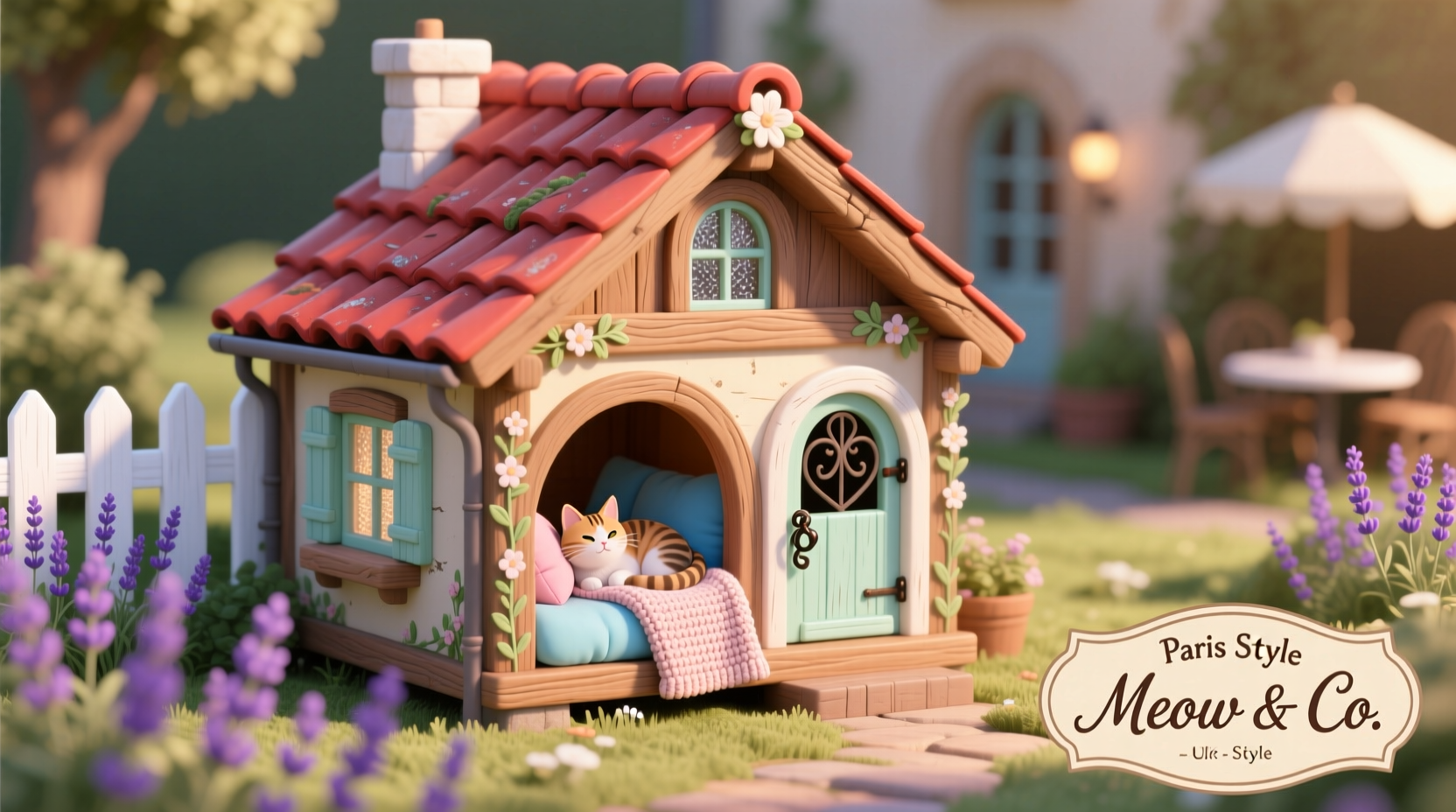
Cats are creatures of routine and comfort. Even those who enjoy exploring benefit from having a secure retreat. Whether you’re caring for a stray, managing a colony through TNR (Trap-Neuter-Return), or allowing your indoor-outdoor cat supervised time outside, a well-built cat house provides critical protection.
Exposure to cold increases the risk of hypothermia, especially in kittens, seniors, or short-haired breeds. Wet fur loses insulating properties quickly, making waterproof shelters vital during Pennsylvania’s frequent rain and snow. A proper cat house also deters predators and gives cats a sense of territory—a psychological comfort as important as physical warmth.
“Outdoor shelters aren’t optional in climates like Pennsylvania’s. They’re part of responsible cat stewardship.” — Dr. Lena Torres, DVM, Wildlife & Feline Care Specialist
Key Features of the Best Little Cat House in PA
Not all cat houses are created equal. Many mass-produced models prioritize aesthetics over function, using thin plastic or untreated wood that cracks under seasonal stress. The best options combine thoughtful design with high-performance materials. Here’s what sets top-tier shelters apart:
- Insulated walls – Closed-cell foam or double-walled construction traps heat and blocks cold air infiltration.
- Elevated floor – Keeps the interior dry by preventing ground moisture absorption and improving airflow beneath the structure.
- Sloped, waterproof roof – Sheds rain and snow efficiently; rubberized coatings prevent leaks.
- Small entrance tunnel – Reduces drafts while still allowing easy access. Ideal diameter: 6–7 inches.
- Weather-resistant exterior – Marine-grade plywood, polypropylene, or recycled HDPE withstands UV exposure and temperature swings.
- Removable top or side panel – Simplifies cleaning and bedding replacement.
Comparison: Common Cat House Materials in Pennsylvania Conditions
| Material | Pros | Cons | Suitability for PA Climate |
|---|---|---|---|
| Plastic (Polyethylene) | Lightweight, waterproof, affordable | Poor insulation, cracks in extreme cold | Moderate – only with added insulation |
| Untreated Wood | Natural look, breathable | Rots quickly, absorbs water, attracts pests | Poor – not recommended without sealing |
| Marine-Grade Plywood | Durable, resists warping, accepts paint/sealant | Requires maintenance every 1–2 years | High – excellent if properly sealed |
| Recycled HDPE (Plastic Lumber) | Zero rot, no splinters, UV-stable | Higher cost, heavier | Excellent – ideal for long-term use |
| Insulated Foam Core | Superior thermal retention, lightweight | Needs protective shell, vulnerable to chewing | Very High – when enclosed in durable casing |
Step-by-Step: Setting Up Your Cat House for Year-Round Use
Even the best-designed cat house won’t perform well if placed incorrectly or poorly maintained. Follow this timeline to ensure optimal function throughout the seasons:
- Choose a quiet, elevated location – Away from foot traffic, driveways, and potential flooding zones. Use cinder blocks or a wooden platform to lift the house 3–6 inches off the ground.
- Face the entrance away from prevailing winds – In Pennsylvania, northwest winds dominate in winter. Position the opening southeast or south for maximum sun exposure and wind protection.
- Install insulated bedding – Use straw or cedar shavings (avoid pine, which can irritate respiratory systems). Never use cotton or fabric—these absorb moisture.
- Secure the shelter – Anchor it with stakes or weights if in an open area. Prevent tipping during storms.
- Inspect monthly – Check for mold, insect nests, or damage. Replace wet bedding immediately.
- Deep clean twice a year – Spring and fall. Remove all contents, scrub interior with vinegar-water solution (1:3 ratio), rinse, and air-dry completely before re-bedding.
Real Example: How One Community Improved Feline Survival Rates
In Lancaster County, a volunteer-led TNR group noticed higher winter mortality among community cats despite feeding programs. After surveying colonies, they found most were using inadequate shelters—cardboard boxes, trash bins, or nothing at all.
The team partnered with a local carpenter to build 15 insulated cat houses using marine-grade plywood and foam board lining. Each unit featured a sloped roof, raised base, and removable lid. They placed them strategically near known feeding sites, facing south with straw-lined interiors.
Within one winter season, reported sightings of healthy cats increased by 40%. Volunteers noted consistent usage, with some shelters housing multiple cats on cold nights. “We went from losing cats every winter to not a single cold-related case,” said Maria Gutierrez, project coordinator. “The difference a real shelter makes is undeniable.”
Checklist: Choosing & Maintaining Your Cat House
Use this practical checklist before purchasing and after installation:
- ✅ Is the floor elevated at least 3 inches?
- ✅ Does it have an insulated roof and walls?
- ✅ Is the entrance small (6–7”) and offset from wind direction?
- ✅ Can it be easily cleaned? (Look for removable panels.)
- ✅ Is it made from non-toxic, weather-resistant material?
- ✅ Is it anchored or stable in wind?
- ✅ Is bedding made of straw, not fabric?
- ✅ Is it located in a quiet, low-traffic area?
- ✅ Have you checked it recently for pests or moisture?
Frequently Asked Questions
How small should a cat house really be?
The interior should allow a cat to stand, turn around, and lie down comfortably—but not much larger. A space roughly 18” x 18” x 16” works well for most adult cats. Smaller spaces retain heat better, which is crucial in Pennsylvania winters.
Can I leave the cat house out all year?
Yes—if it’s built for all-season use. Look for models specifically labeled as weatherproof and insulated. Avoid plastic-only units unless they include internal insulation. Regular maintenance is key to longevity.
What if my cat doesn’t use the house?
Cats may avoid new shelters due to unfamiliar scent or poor placement. Try relocating it closer to their usual resting spot, adding familiar-smelling bedding (like an old towel they’ve used), or placing treats inside. Patience is essential—some cats take weeks to adapt.
Final Thoughts: Building Comfort, One Cat House at a Time
The best little cat house in PA isn’t defined by size, but by performance. Coziness comes from intelligent insulation and snug proportions. Durability stems from smart materials and thoughtful engineering. When these elements come together, the result is more than a shelter—it’s a sanctuary.
Whether you're supporting neighborhood strays or giving your own cat a safe outdoor retreat, choosing a high-quality, climate-appropriate cat house reflects compassion in action. These small structures do big work: preserving health, reducing stress, and extending lives.




 浙公网安备
33010002000092号
浙公网安备
33010002000092号 浙B2-20120091-4
Comments
No comments yet. Why don't you start the discussion?