
As temperatures drop, slipping into bed becomes less about luxury and more about survival—especially if your bedroom lacks consistent heating or your home runs cool. While a thick duvet helps, true comfort starts with what you wear. Layering a pajama set isn’t just functional; it can be deeply personal, stylish, and surprisingly versatile. The right combination balances warmth, breathability, and aesthetic appeal, turning bedtime into a ritual of coziness.
Layering isn't limited to outdoor winter wear. Applied thoughtfully to sleepwear, it allows you to adapt to fluctuating indoor temperatures, maintain body heat without overheating, and express subtle style—even behind closed doors. Whether you live in a drafty old apartment or simply run cold at night, mastering the art of layered sleepwear enhances both comfort and quality of rest.
Understanding Thermal Regulation During Sleep
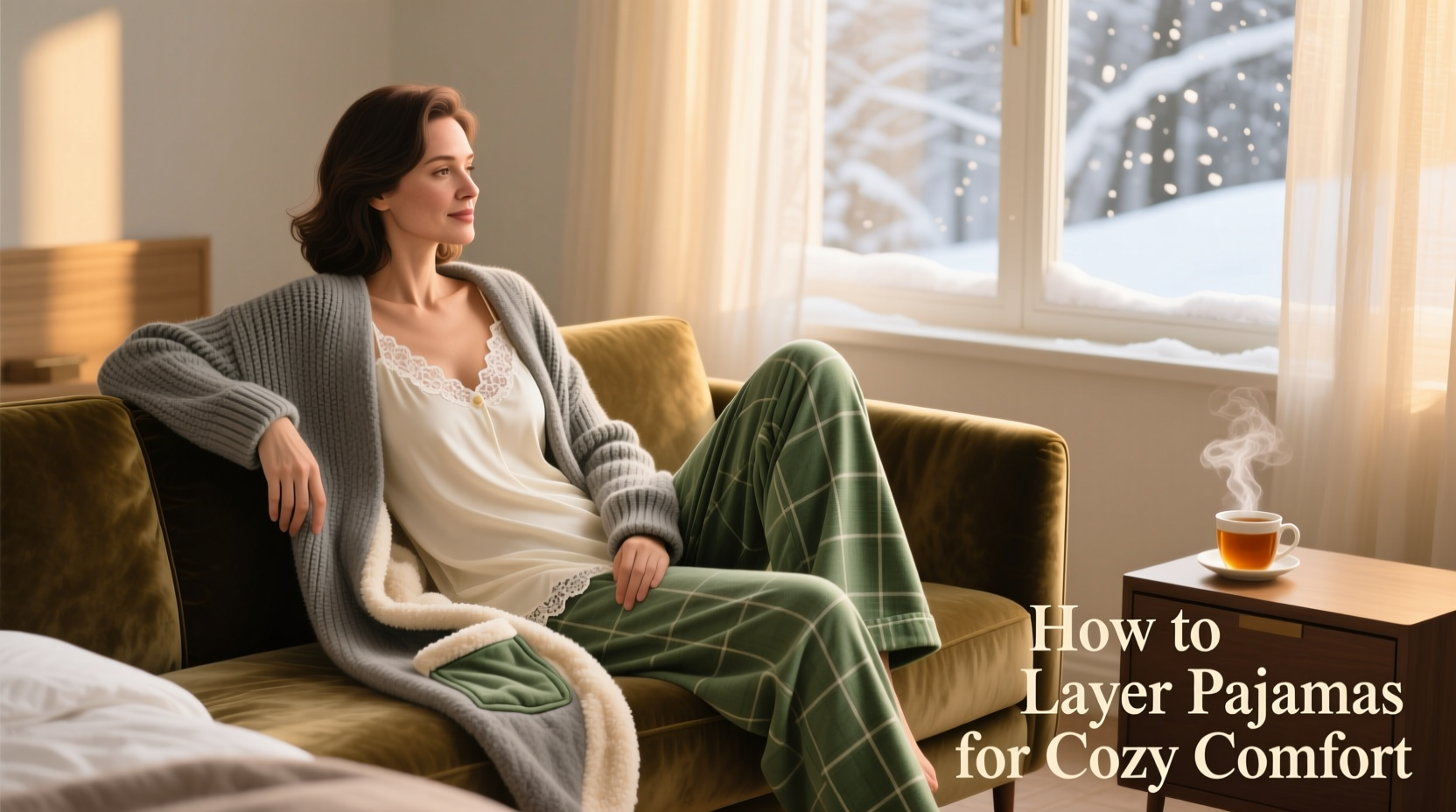
Your body naturally lowers its core temperature during sleep. However, if ambient room temperatures fall too low, your system works harder to stay warm, potentially disrupting deep sleep cycles. According to the National Sleep Foundation, the ideal bedroom temperature for most adults ranges between 60–67°F (15–19°C). But not every home achieves this balance year-round.
This is where strategic layering comes in. Instead of relying on a single heavy garment—which may cause sweating and discomfort when the heater kicks on—multiple lightweight layers let you adjust incrementally. You can add or remove pieces as needed throughout the night, maintaining thermal equilibrium without sacrificing mobility or comfort.
“Effective layering in sleepwear mirrors outdoor systems: moisture-wicking base, insulating mid-layer, and breathable outer protection.” — Dr. Lena Torres, Sleep Wellness Researcher, Institute of Circadian Health
Choosing the Right Base Layer
The foundation of any layered sleep ensemble is the base layer—what touches your skin first. Its primary role is moisture management. Even in cold weather, your body releases sweat while sleeping. If trapped against the skin, dampness leads to chill and irritation.
Natural fibers like **merino wool**, **TENCEL™**, and **organic cotton** excel here. Merino, despite being wool, is soft, non-itchy, and regulates temperature dynamically. TENCEL™ wicks moisture efficiently and resists odor. Cotton is breathable but holds moisture longer, making it better suited for moderately cool rather than frigid conditions.
Look for snug but not tight fits. A base pajama set in long sleeves and full legs provides optimal coverage. Brands now offer elegant designs in neutral tones or subtle patterns, so functionality doesn’t mean sacrificing style.
Building the Mid-Layer for Insulation
The mid-layer traps body heat. Unlike the base, it doesn’t need direct skin contact. This is where texture, thickness, and material density matter most.
Fleece-lined flannel, brushed cotton, or quilted silk robes work well. Lightweight cardigans made from cashmere or cotton blends also serve as excellent transitional options. These can be worn over your base pajamas and easily removed if the room warms up.
For colder climates, consider a thermal mid-layer designed specifically for sleep—such as a button-front thermal top or insulated lounge pants. These are often made with grid-knit fabric that creates air pockets, enhancing warmth without bulk.
| Material | Warmth Level | Breathability | Best For |
|---|---|---|---|
| Merino Wool | High | Excellent | Cold, dry climates |
| Flannel Cotton | Moderate-High | Good | Average winter bedrooms |
| TENCEL™ Blend | Moderate | Excellent | Humid or variable temps |
| Fleece | Very High | Poor | Short-term use only |
Final Touches: Outerwear and Accessories
The outermost layer completes your cozy armor. Think beyond traditional robes. A longline duster robe in boiled wool or a quilted kimono adds elegance while sealing in warmth. These are especially useful if you get up during the night—no need to change clothes just to grab water or use the bathroom.
Don’t overlook accessories:
- Socks: Wear bed socks made from merino or bamboo. Pair them with slippers near the bed.
- Headband or sleep cap: A significant amount of heat escapes through the head. A soft knitted cap retains warmth discreetly.
- Weighted blanket (optional): While not part of the pajama set, pairing layers with a 10–15 lb weighted blanket increases thermal retention and promotes relaxation.
Real-Life Example: Winter Nights in a Historic Home
Sophie, a freelance designer living in a 19th-century brownstone in upstate New York, struggled with uneven heating all winter. Her bedroom, located on the top floor, often dipped below 60°F at night. She tried electric blankets, but they dried her skin and disrupted her sleep rhythm.
She began experimenting with layering: starting with a merino wool base set in heather gray, adding a cream-colored brushed cotton button-up shirt over it, then finishing with a navy quilted robe she kept draped over a chair. She wore ribbed ankle socks and used a down-filled eye mask to keep her face warm.
Within days, her sleep improved. “I stopped waking up shivering,” she said. “And honestly, I look forward to getting ready for bed now—it feels intentional, almost luxurious.”
Step-by-Step Guide to Layering Your Pajama Set
- Assess your room temperature: Use a simple thermometer to understand your baseline. Below 60°F? Plan for three layers. 60–67°F? Two may suffice.
- Select a moisture-wicking base: Choose natural-fiber pajamas that fit comfortably. Ensure full coverage (long sleeves, full legs).
- Add an insulating mid-layer: Opt for flannel, fleece-lined, or thermal wear. Cardigans, vests, or long-sleeve tees work well.
- Top with a breathable outer: A robe, loungewear jacket, or even a clean sweater adds warmth and style.
- Include accessories: Socks, headbands, or heated mattress pads (used safely) enhance overall comfort.
- Test and adjust: Try the full setup for one night. Note when you feel too hot or too cold, then refine accordingly.
Common Layering Mistakes to Avoid
- Over-bundling: Too many thick layers restrict movement and cause overheating, leading to night sweats.
- Using non-breathable synthetics: Nylon and polyester trap heat and moisture, increasing discomfort.
- Ignoring fit: Tight layers compress insulation and reduce airflow, diminishing warmth.
- Wearing outdoor clothes to bed: Ski socks or bulky sweaters aren’t designed for lying down and can disrupt circulation.
FAQ
Can I layer different pajama sets together?
Absolutely. Many people mix and match—e.g., a silk camisole base with flannel pants and a cotton robe. Just ensure materials complement each other in weight and breathability.
Is it safe to sleep in multiple layers?
Yes, as long as you’re not overheating. Monitor for signs like excessive sweating or flushed skin. Adjust layers until you find the balance between warmth and comfort.
How do I care for layered sleepwear?
Follow individual garment labels. Generally, wash natural fibers in cold water on gentle cycle. Air dry when possible, especially for wool and silk, to preserve integrity and softness.
Checklist: Build Your Ideal Layered Sleep System
- ☑ Determine average bedroom temperature
- ☑ Invest in a high-quality base layer (natural fiber)
- ☑ Choose one mid-layer for added warmth
- ☑ Select a stylish outer robe or loungewear piece
- ☑ Add cozy accessories (socks, headband, etc.)
- ☑ Test the full system for one week
- ☑ Refine based on comfort feedback
Conclusion: Elevate Your Nighttime Ritual
Layering a pajama set for cooler weather isn’t just about staying warm—it’s about reclaiming comfort, intentionality, and quiet joy in your nightly routine. With thoughtful choices in fabric, fit, and function, you can create a sleepwear system that supports rest, reflects your personal style, and adapts to changing conditions.




 浙公网安备
33010002000092号
浙公网安备
33010002000092号 浙B2-20120091-4
Comments
No comments yet. Why don't you start the discussion?