
For new cyclists stepping into the world of performance road bikes, choosing the right components can feel overwhelming. One common decision point arises when comparing the Shimano Ultegra R8000 (commonly referred to as \"CR 10\") groupset with its successor, the R8100 series (\"CR 10S\"). While both are marketed under the Ultegra umbrella, subtle but meaningful differences exist in design, shifting performance, weight, and compatibility. The real question for beginners isn't just about specs—it's whether the upgrade from CR 10 to CR 10S delivers tangible benefits that justify the cost.
Understanding the Naming: CR 10 vs CR 10S
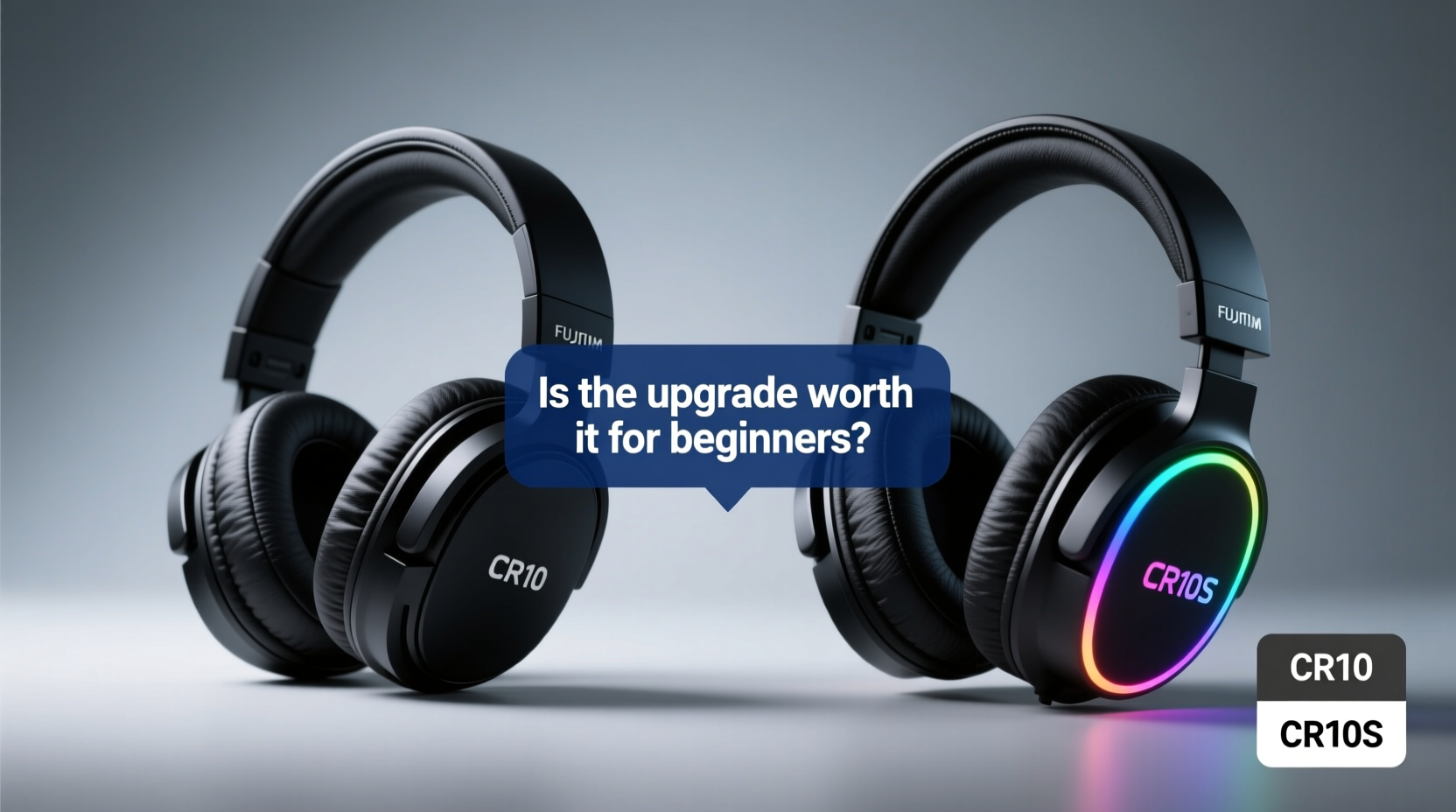
The terms \"CR 10\" and \"CR 10S\" aren't official product names but rather shorthand used by riders and retailers to distinguish between Shimano’s two recent Ultegra generations: R8000 (launched in 2018) and R8100 (released in 2023). Both are 11-speed systems designed for high-performance road cycling, offering reliability, smooth shifting, and durability far beyond entry-level offerings like Tiagra or 105.
The R8100 (CR 10S) introduces several technological refinements over the R8000 (CR 10), including redesigned levers, improved ergonomics, updated derailleur actuation, and enhanced integration with electronic drivetrains. However, these upgrades were primarily aimed at experienced riders seeking marginal gains. For a beginner, the practical impact may be less pronounced than the marketing suggests.
Key Differences Between CR 10 and CR 10S
To assess whether the upgrade matters, it helps to break down the core changes:
| Feature | CR 10 (R8000) | CR 10S (R8100) |
|---|---|---|
| Shift Lever Design | Traditional hood shape | Flatter top, wider contact area |
| Ergonomics | Good, slightly curved reach | Improved hand comfort, adjustable reach |
| Shifting Action | Mechanical only | Optimized for Di2, mechanical compatible |
| Derailleur Actuation | Standard cable pull | Slightly revised ratio for smoother shifts |
| Weight (Approx.) | ~2,200g (full groupset) | ~2,150g (mechanical), ~2,050g (Di2) |
| Compatibility | 11-speed cassettes, older frames | Same, but optimized for modern frame routing |
| Price Premium | Budget-friendly used market | 15–25% higher MSRP |
While the table shows incremental improvements, most are subtle—especially for someone still developing riding technique, endurance, and bike handling skills.
Real-World Performance: Does It Matter for New Riders?
A beginner cyclist typically prioritizes comfort, reliability, and ease of use over micro-adjustments in lever throw or gram-shaving weight reductions. The CR 10 already delivers crisp, dependable shifting across all conditions. Its mechanical system is well-understood, widely supported, and easy to maintain with basic tools.
In contrast, the CR 10S improves leverage and finger pressure needed for shifting, particularly beneficial during long rides or under load. But for someone logging 50–100 miles per week, this refinement won’t dramatically alter the experience. Similarly, the flatter brake hoods on the CR 10S offer better palm support, yet many new riders haven’t yet developed the hand position habits where this becomes critical.
“Ultegra R8000 remains one of the best value propositions in road cycling. For riders under 10,000 miles, the jump to R8100 rarely pays dividends in performance.” — Marcus Tran, Professional Bike Fitter & Technician
Mini Case Study: Emma’s First Road Bike
Emma, a 32-year-old teacher, bought her first road bike last year—a model equipped with CR 10 components. She averaged 60 miles per week, mostly on paved trails and quiet roads. After six months, she considered upgrading to a newer frame with CR 10S after reading online forums praising the “smoother shifts” and “modern feel.”
She test-rode a comparable bike with CR 10S and noticed marginally lighter lever action and a slightly sleeker look. However, when asked to identify differences blindfolded (as part of a shop demo), she couldn’t consistently tell which bike had which groupset. Her mechanic advised her to focus instead on improving tire pressure management and cadence control—skills that would yield greater speed and comfort gains than any drivetrain upgrade.
She kept her CR 10-equipped bike, upgraded to higher-quality tires, and within three months increased her average pace by 1.8 mph—without changing a single component.
When the Upgrade Makes Sense
The CR 10S shines in specific scenarios:
- Riders using electronic shifting: The R8100 was designed with Di2 integration in mind, offering cleaner internal routing and more responsive actuation.
- Long-distance or competitive riders: Those regularly riding over 150 miles per week may appreciate the reduced hand fatigue and refined ergonomics.
- Modern frame compatibility: Some newer bikes feature internal cable routing optimized for R8100 housing lengths and bend radii.
- Future-proofing: Buyers planning to keep their bike for 5+ years might prefer the newer standard, especially as spare parts for R8000 become scarcer over time.
Checklist: Should You Upgrade from CR 10 to CR 10S?
- Are you riding more than 150 miles per week consistently?
- Do you plan to use Di2 electronic shifting?
- Is your current CR 10 showing signs of wear (e.g., frayed cables, sticky shifters)?
- Have you already upgraded wheels, tires, and cockpit components?
- Is your frame compatible with R8100 cable routing?
If you answered “yes” to three or more, the upgrade could be worthwhile. Otherwise, consider holding off.
Frequently Asked Questions
Can I mix CR 10 and CR 10S components?
Yes, but with caveats. Shifters, derailleurs, and cassettes are cross-compatible within the 11-speed ecosystem. However, combining them may result in suboptimal shifting due to slight differences in cable pull ratios and derailleur geometry. It’s best to keep the groupset consistent.
Is the weight difference noticeable?
The total savings with CR 10S is around 50–150 grams depending on configuration. On paper, that’s negligible. In practice, even experienced racers rarely detect such minor reductions unless paired with other lightweight upgrades.
Will CR 10 parts become obsolete soon?
Unlikely. Shimano supports legacy groupsets for over a decade. Replacement parts for CR 10 will remain available through 2030 and beyond via third-party suppliers. Maintenance knowledge is widespread among mechanics.
Final Verdict: Value Over Hype
For beginners, the CR 10 remains an outstanding choice. It delivers near-Dura-Ace performance at a fraction of the cost, with proven reliability and wide serviceability. The CR 10S offers genuine engineering improvements—but they’re evolutionary, not revolutionary. The benefits accrue slowly and are best appreciated after thousands of miles in the saddle.
Instead of chasing component upgrades early in your cycling journey, invest time in mastering fundamentals: gear selection, braking technique, cornering posture, and nutrition. These skills compound faster than any hardware change ever could.




 浙公网安备
33010002000092号
浙公网安备
33010002000092号 浙B2-20120091-4
Comments
No comments yet. Why don't you start the discussion?