
Creating a functional wristwatch from scratch may seem like the domain of engineers or horologists, but with the right guidance, even beginners can build a working timepiece. This project blends craftsmanship, patience, and creativity, offering a rewarding hands-on experience. Whether you're drawn to DIY culture, mechanical design, or simply want a unique accessory, building a homemade wristwatch is an achievable goal. The process involves selecting core components, assembling a reliable movement system, designing a custom case, and integrating a secure strap—all while ensuring accuracy and wearability.
Understanding the Core Components of a Wristwatch
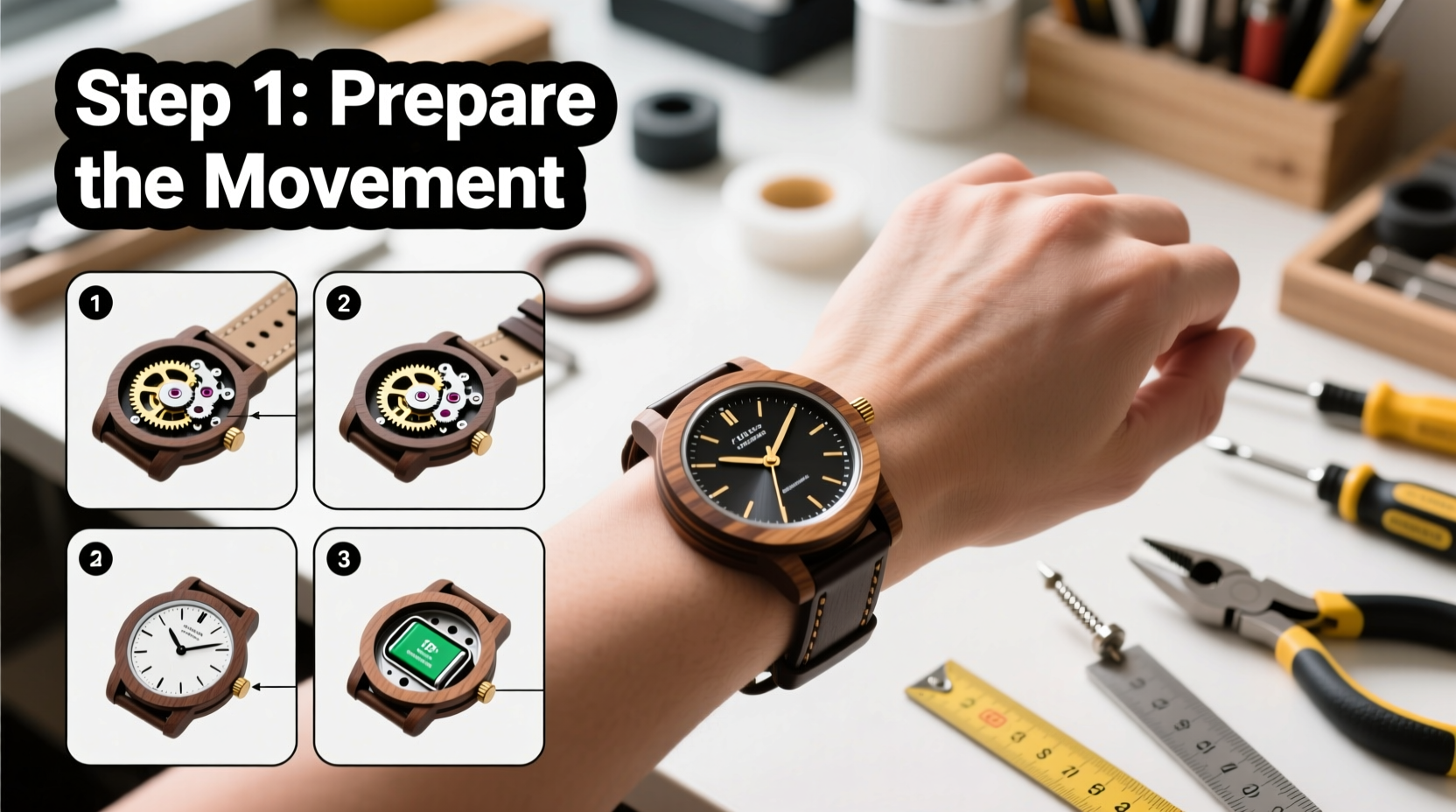
A wristwatch, at its most basic, consists of three primary systems: the movement (the internal mechanism that keeps time), the dial and hands (the visual interface), and the case and strap (the housing and wearable structure). For a homemade version, you don’t need to fabricate every gear or spring—instead, you can source modular parts and focus on assembly and customization.
The movement is the heart of any watch. Quartz movements are ideal for beginners due to their reliability, low cost, and ease of integration. These are widely available as “watch movement kits” online, often including the stem, hands, and mounting hardware. Mechanical movements are more complex and expensive, requiring advanced knowledge of gear trains and power delivery.
Step-by-Step Assembly Process
Building your wristwatch requires precision and care. Follow this timeline to assemble a functional prototype safely and effectively.
- Gather Materials and Tools: Before starting, ensure all components are ready. You’ll need a quartz movement kit, a watch case (or material to make one), a crystal (glass cover), dial, hands, battery, and tools like tweezers, a case opener, and a small screwdriver.
- Prepare the Movement: Insert the battery into the movement module to test functionality. Observe the second hand for consistent ticking. If it hesitates or stops, replace the battery or check for obstructions.
- Attach the Hands: Using tweezers, carefully press the hour, minute, and second hands onto the central shaft in order. Align them precisely at the 12 o’clock position to avoid interference later.
- Mount the Dial: Place the dial face over the movement base. Some dials snap in; others require adhesive. Ensure no part of the dial obstructs the hands’ rotation.
- Secure the Movement in the Case: Insert the assembled movement into the watch case from the back. Use the provided retaining ring or screws to fix it firmly. Avoid overtightening, which can damage threads.
- Install the Crystal: Fit the plastic or mineral glass crystal over the dial. It may snap into place or be held by a bezel. Check for gaps or wobbling.
- Add the Strap: Attach spring bars to the lugs on the case, then connect the strap ends. Leather, nylon, or metal bands all work depending on your design preference.
- Final Testing: Wear the watch for 24 hours and monitor timekeeping accuracy. Adjust the time via the crown as needed.
Designing Your Custom Watch Case
The case protects the movement and defines the watch’s aesthetic. While pre-made cases are convenient, crafting your own adds a personal touch. Beginners can use laser-cut wood, 3D-printed resin, or repurposed metal enclosures.
To design a case:
- Measure the diameter and thickness of your movement module.
- Create a circular cavity slightly larger than the movement to allow for easy insertion.
- Include lugs (extensions) on the sides for strap attachment, spaced 18–22mm apart depending on strap width.
- Add a recessed area for the crystal, ensuring it sits flush or slightly below the rim.
For 3D printing, use durable filaments like ABS or PETG. Test fit each component before finalizing the design. Sand edges for comfort against the skin.
| Material | Pros | Cons |
|---|---|---|
| Plastic (3D printed) | Customizable, lightweight, affordable | Less durable, prone to scratches |
| Wood | Unique grain, eco-friendly, warm feel | Not water-resistant, requires sealing |
| Aluminum | Durable, professional finish, heat resistant | Harder to shape without tools |
Tips for Accuracy and Longevity
A homemade watch should not only look good but also keep accurate time and withstand daily use. Environmental factors like moisture, magnetism, and shock can affect performance.
Seal wooden or porous cases with waterproof varnish. For added protection, apply a thin silicone sealant around the crystal edge. Store the watch in a dry place when not in use, and replace the battery every 12–18 months to prevent leakage.
“Even simple watches demand respect for precision. A misaligned hand or loose crystal can ruin both function and appearance.” — Daniel Reyes, Independent Horologist and DIY Watch Designer
Mini Case Study: Emma’s First Homemade Wooden Watch
Emma, a hobbyist from Portland, decided to build her first wristwatch using a salvaged quartz movement from an old wall clock and a piece of walnut wood. She measured the movement diameter (25mm) and used a CNC router to carve a snug cavity. After sanding the case to a smooth finish, she drilled holes for the crown and installed spring bars.
Her initial attempt failed when the second hand grazed the edge of the dial. She corrected this by trimming the dial opening slightly and realigning the hands. Once assembled, she applied three coats of food-safe wood sealant to protect against sweat and rain. The final product kept time within two seconds per week and became a conversation starter among her friends.
Essential Checklist for Beginners
Follow this checklist before starting your project to ensure a smooth build:
- ☐ Source a reliable quartz movement kit (with hands and stem)
- ☐ Choose or create a case that fits the movement snugly
- ☐ Select a clear, scratch-resistant crystal
- ☐ Acquire basic tools: tweezers, screwdrivers, case opener
- ☐ Test the movement with a battery before full assembly
- ☐ Align hands carefully to avoid overlap or resistance
- ☐ Attach the strap securely using proper spring bars
- ☐ Perform a 24-hour accuracy test after completion
Frequently Asked Questions
Can I make a waterproof homemade watch?
True waterproofing is difficult without industrial sealing methods. However, you can achieve splash resistance by using O-rings between the case and crystal, applying silicone sealant, and choosing sealed movements. Avoid submerging a homemade watch in water unless specifically designed for it.
Where can I buy watch-making components?
Online marketplaces like eBay, Amazon, and specialty sites such as Jules Borel or Esslinger offer complete movement kits, dials, crystals, and straps. Look for “DIY watch kits” aimed at beginners for bundled savings.
Is it possible to use a mechanical movement as a beginner?
While possible, mechanical movements require greater precision, regular winding, and sensitivity to positioning. They are significantly more complex to assemble and maintain. Start with quartz technology to learn fundamentals before advancing.
Conclusion: Start Building Your Timepiece Today
Crafting a functional homemade wristwatch is more than a DIY project—it’s a statement of self-reliance and attention to detail. With accessible materials, careful planning, and methodical assembly, anyone can create a timepiece that works reliably and reflects personal style. The skills you develop—precision handling, problem-solving, and design thinking—extend far beyond watchmaking.




 浙公网安备
33010002000092号
浙公网安备
33010002000092号 浙B2-20120091-4
Comments
No comments yet. Why don't you start the discussion?