
A well-designed coffee bar is more than just a place to brew—it’s a reflection of personal style, a daily ritual space, and often the heart of a home’s morning energy. At the center of this experience are the mugs: vessels that carry warmth, memory, and aesthetic harmony. Choosing and displaying unique mugs isn’t merely decorative; it’s an intentional act of curation that enhances both function and mood. When done thoughtfully, your coffee station becomes not only efficient but emotionally resonant.
From vintage finds to handmade ceramics, each mug tells a story. The challenge—and joy—lies in showcasing them in a way that feels cohesive, accessible, and expressive. Whether you live in a studio apartment or a spacious kitchen, the principles of design, organization, and personalization can transform even the smallest counter into a destination worth lingering at.
Design Your Coffee Bar with Intention
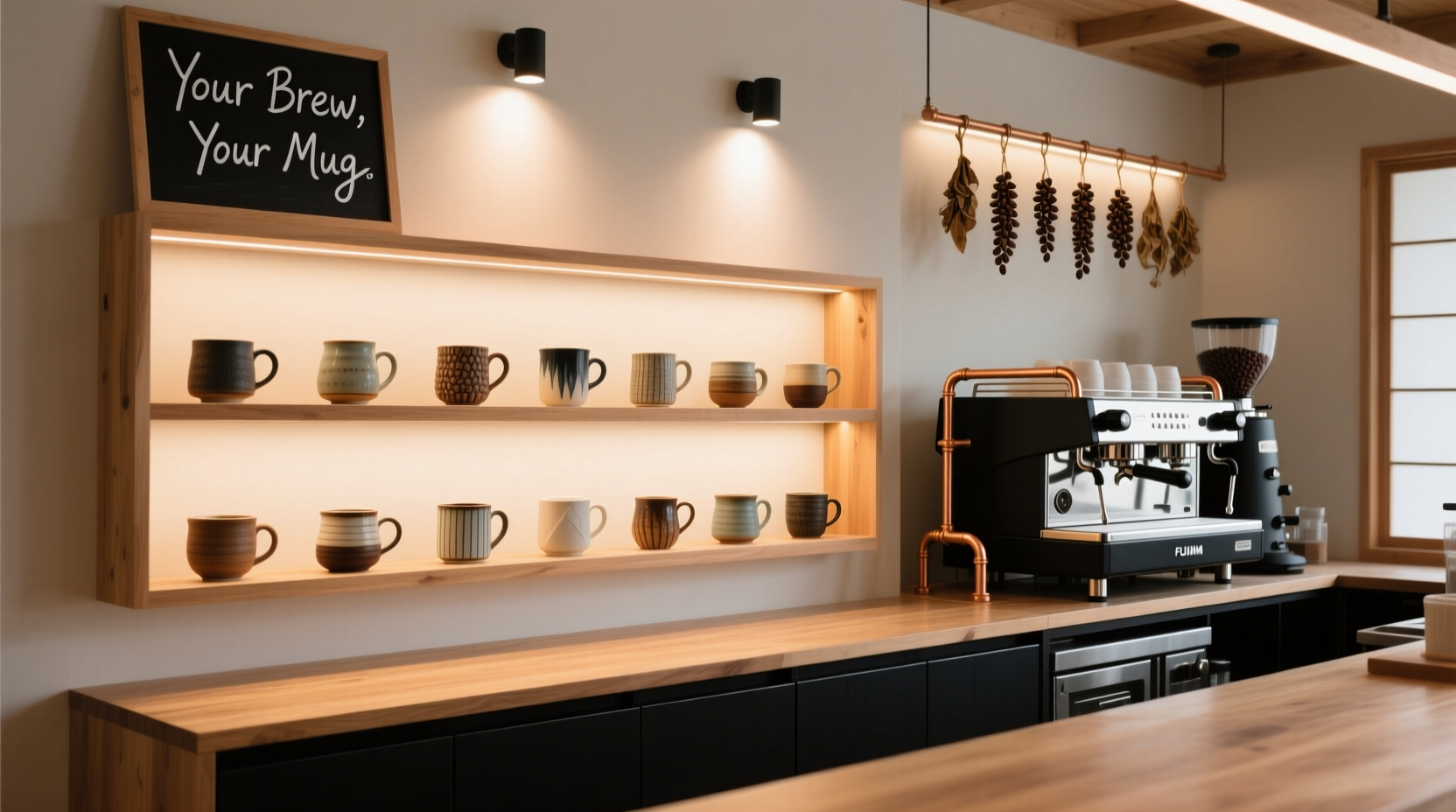
The foundation of a stylish coffee bar begins with purposeful layout and consistent theme. Start by evaluating available space and usage patterns. Do you need room for a grinder, kettle, and espresso machine? Or is this a minimalist pour-over setup? Once functionality is mapped, focus on visual cohesion.
Select a color palette inspired by your favorite mug collection. If your mugs feature earthy tones and organic glazes, incorporate warm wood shelves, linen towels, and terracotta accents. For bold, colorful mugs, lean into vibrant backsplashes or painted cabinetry that echoes their hues. Consistency in materials—such as pairing ceramic mugs with stoneware canisters or metal scoops with brushed nickel accents—creates subtle unity.
Curate a Meaningful Mug Collection
Your mugs should be more than functional—they should spark joy. Begin by auditing what you already own. Keep only those that feel good in hand, inspire use, or hold sentimental value. A travel souvenir, a gift from a friend, or a thrift-store gem can become a centerpiece of your coffee ritual.
When adding new mugs, prioritize craftsmanship over quantity. Hand-thrown pottery, artisan collaborations, or limited-edition designs offer character that mass-produced ware often lacks. Consider variety in size and shape: small cups for espresso, oversized handles for comfort, double-walled glass for iced drinks. Diversity adds visual interest and supports different brewing styles.
“Every mug has a personality. The way it fits in your hand, its weight, the sound it makes when stirred—these details shape the entire coffee experience.” — Lila Chen, Ceramic Artist & Coffee Enthusiast
Display Strategies That Elevate Function and Form
How you present your mugs determines both accessibility and impact. Avoid stacking them inside cabinets unless necessary. Instead, use open shelving, plate racks, or wall-mounted hooks to turn storage into a gallery-like display.
- Open Shelving: Install floating shelves near outlets or above counters. Arrange mugs by color gradient, size, or thematic groupings (e.g., “travel mugs” or “handmade series”).
- Plate Rails: These classic fixtures work beautifully for mugs with wide handles. Mount one below upper cabinets and hang mugs horizontally, allowing full visibility of their interiors and exteriors.
- Magnetic Strips: Ideal for minimalist kitchens. Attach strong magnetic strips and use metal-backed mug hangers or ceramic mugs with iron content in the base.
- Glass-Front Cabinets: Protect delicate or collectible mugs while keeping them visible. Add LED strip lighting inside for subtle drama.
Rotate seasonal or mood-based displays. Summer might bring out citrus-colored beach-themed mugs; winter could feature cozy forest illustrations or snow-dusted glazes.
Do’s and Don’ts of Mug Display
| Do’s | Don’ts |
|---|---|
| Group mugs by theme, color, or origin for visual harmony | Clutter shelves with mismatched items that distract from mugs |
| Use felt pads or liners to protect shelves and reduce noise | Expose delicate ceramics to direct sunlight for long periods |
| Leave space between displayed items to avoid crowding | Store mugs rim-down without protection, which can chip edges |
| Incorporate greenery like small succulents or eucalyptus sprigs for softness | Place mugs directly above heat sources like stoves or ovens |
Integrate Personal Touches Beyond the Mug
A truly personalized brew spot extends beyond ceramics. Layer in elements that reflect your journey with coffee. Frame a coffee passport where you stamp each new bean origin tried. Display a small notebook for tasting notes beside a wooden spoon used for stirring. Include a curated playlist QR code on the wall for instant access to your go-to brewing soundtrack.
One Brooklyn-based designer transformed her narrow kitchen nook into a rotating “Mug of the Month” exhibit. Each month features a single mug on a small stand with a tag describing its origin—whether purchased at a local art fair or inherited from her grandmother. This approach keeps the space fresh and narrative-driven.
Step-by-Step Guide: Building Your Coffee Bar in 5 Stages
- Assess Space & Budget: Measure your area and decide whether to repurpose a cart, corner, or built-in zone. Set a realistic spending limit for furniture and accessories.
- Choose Core Equipment: Select your primary brewing tools—French press, Chemex, espresso machine—and ensure plug access and counter clearance.
- Source Mugs with Meaning: Visit local potters, craft fairs, or online marketplaces like Etsy. Aim for 5–7 standout pieces to start.
- Install Display Features: Add shelves, rails, or pegboards. Position mugs within easy reach but also in sightlines that delight.
- Style & Refresh: Add textiles (linen napkins, runner), plants, and lighting. Reassess every season to rotate mugs or update decor.
Frequently Asked Questions
How do I prevent my displayed mugs from collecting dust?
Regular wiping with a microfiber cloth during weekly cleaning helps. For open shelves, consider shallow glass-front enclosures or schedule bi-weekly dusting. Using mugs frequently also naturally reduces buildup—design a system that encourages rotation.
Can I mix different mug materials on the same shelf?
Yes, but balance is key. Combine stoneware, porcelain, and glass if they share a unifying element—like a common color tone, matte finish, or rustic texture. Avoid pairing too many glossy and matte finishes unless intentionally contrasted.
What if I have limited counter space?
Go vertical. Use wall-mounted rails, under-cabinet hooks, or a rolling trolley that tucks away. Even a narrow hallway cabinet can be converted into a pull-out coffee drawer with mug racks inside.
Bring Your Brew Spot to Life
A stylish coffee bar anchored by thoughtfully showcased mugs does more than serve caffeine—it nurtures ritual, invites mindfulness, and expresses identity. It turns the mundane into a moment worth savoring. Every handle held, every glaze admired, becomes part of a quiet celebration of self.
You don’t need a large space or expensive gear to create something meaningful. Start small: choose one mug you love, place it where morning light touches it, and build around that feeling. Over time, your coffee station will evolve into a living collage of taste, memory, and daily intention.




 浙公网安备
33010002000092号
浙公网安备
33010002000092号 浙B2-20120091-4
Comments
No comments yet. Why don't you start the discussion?