
Historical displays offer a powerful way to bring the past to life—especially when they feature detailed mercenary figurines that capture the drama, diversity, and complexity of military history. Whether you're a museum curator, educator, wargamer, or passionate collector, assembling a compelling display requires more than just placing figures on a shelf. It demands research, storytelling, and thoughtful design. This guide walks through the process of creating an immersive, historically accurate, and visually striking display using mercenary figurines—from concept to completion.
Selecting the Right Historical Period and Theme
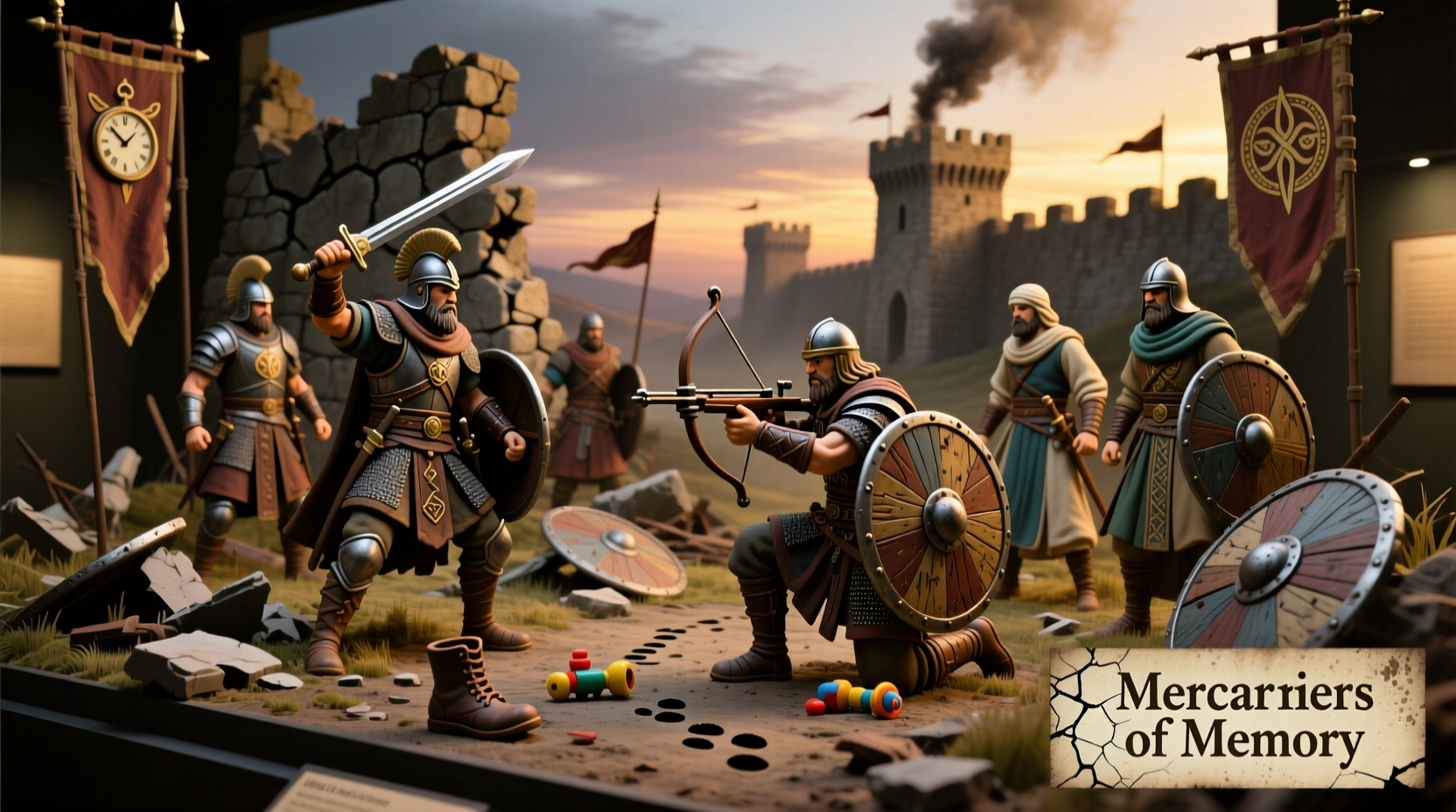
The foundation of any strong historical display is a clear theme. Mercenaries have played pivotal roles across centuries, from the Swiss pikemen of the Renaissance to the Condottieri of 15th-century Italy, the German Landsknechte, or even modern private military contractors. Choose a period that aligns with your interests and available resources.
Narrowing your focus enhances authenticity. Instead of a broad “medieval mercenaries” theme, consider something specific like “The Italian Wars: French vs. Swiss Mercenaries at Marignano, 1515.” A focused narrative allows for deeper research, accurate representation, and greater audience engagement.
Curating Your Figurine Collection
High-quality figurines are the centerpiece of your display. Look for models with accurate uniforms, weapons, and postures reflective of the era. Resin, metal, and plastic miniatures each have advantages: resin offers fine detail, metal provides durability, and plastic allows for mass production in educational settings.
When sourcing figurines, prioritize consistency in scale (commonly 28mm or 1:56) and style. Mixing highly stylized fantasy-inspired figures with realistic ones can break immersion. Reputable manufacturers often provide historical notes with their products—use these as starting points for verification.
Consider including not only soldiers but also support characters: sutlers, drummers, camp followers, or commanders. These additions enrich the narrative and reflect the social reality of mercenary armies.
Checklist: Figurine Selection Criteria
- Accurate period-specific uniforms and gear
- Consistent scale and sculpting style
- Representation of diverse roles within the mercenary force
- Availability of multiple poses for dynamic composition
- Compatibility with planned terrain and base materials
Designing the Display Layout
A successful display tells a story through spatial arrangement. Begin by sketching a layout plan. Decide whether your scene will depict a battlefield, a camp setup, a recruitment event, or a moment of negotiation.
Use depth and elevation to create visual interest. Raised platforms, layered terrain, and tiered bases can simulate hills, trenches, or city walls. Position key figures—such as a commander issuing orders—at focal points to draw attention.
Grouping units by nationality, function, or allegiance helps viewers interpret the scene. Leave breathing room between groups to avoid clutter while maintaining cohesion.
“Display design is silent storytelling. Every figure, prop, and placement should answer the question: What’s happening here?” — Dr. Lena Petrov, Museum Exhibit Designer
Step-by-Step Guide to Building the Display
- Research and Planning: Finalize the historical event, troop composition, and visual goals. Gather reference images and maps.
- Gather Materials: Collect figurines, baseboards, paints, glue, terrain components (trees, rocks, fabric), and labeling tools.
- Prepare the Base: Cut and prime the display board. Apply undercoating and begin texturing (e.g., sand for dirt, flock for grass).
- Paint and Assemble Figurines: Paint with historically accurate colors. Use weathering techniques like dry brushing and washes for realism.
- Build Terrain Features: Construct barriers, tents, or ruins using foam, cardboard, or commercial kits. Ensure they don’t overshadow the figures.
- Position the Figures: Arrange in dynamic, plausible formations. Avoid perfect symmetry; real battles were chaotic.
- Add Contextual Details: Include banners, weapons caches, wagons, or written dispatches to deepen narrative context.
- Label and Educate: Add discreet plaques with names, units, dates, and brief explanations. QR codes can link to extended digital content.
- Final Review: Step back and assess balance, clarity, and historical fidelity. Make adjustments as needed.
Enhancing Engagement with Creative Techniques
A static display becomes memorable when it invites interaction. Consider adding subtle motion elements—like fluttering cloth flags using thin wire and tissue paper—or soundscapes via embedded audio chips in larger installations.
For educational settings, pair the display with role-playing cards or guided questions: “Why did this mercenary switch sides?” or “What risks did camp followers face?” This transforms observation into active learning.
Thematic consistency extends to presentation. Use aged parchment-style labels, replica seals, or font styles matching the period. Even the frame or case can be styled to complement the era—dark wood for Renaissance themes, rusted metal for early modern conflicts.
Do’s and Don’ts: Display Best Practices
| Do | Don't |
|---|---|
| Use historically accurate color palettes based on surviving garments or paintings | Rely solely on movie costumes for inspiration |
| Incorporate varied poses to suggest movement and action | Line up figures like toy soldiers in rigid rows |
| Include non-combatant roles for social context | Omit logistical or civilian elements entirely |
| Keep labels concise and informative | Overload the display with text panels |
| Secure fragile parts (swords, pikes) with adhesive | Leave delicate components unsecured |
Real Example: The Landsknecht Camp Display
At the Heidelberg Historical Society, a volunteer team created a display titled “A Day in the Life of a Landsknecht,” focusing on a 16th-century German mercenary encampment. They used 54mm figurines painted in bold slashed doublets, arranged around a central fire where a cook prepared food. Nearby, a quartermaster inspected loot, while two soldiers repaired armor.
The team researched period-specific tent designs and recreated them using dyed linen and wooden poles. They added hand-lettered signs quoting contemporary mercenary contracts. Visitors reported spending significantly more time at this exhibit than others, citing the human-scale storytelling as particularly engaging.
Frequently Asked Questions
How do I ensure my figurines are historically accurate?
Cross-reference your figures with museum collections, illuminated manuscripts, and academic sources like Osprey Publishing’s Men-at-Arms series. Pay attention to helmet types, weapon lengths, and uniform details. When in doubt, consult reenactment groups or historians online.
Can I use custom-painted figurines in professional exhibits?
Yes, especially if they enhance accuracy or fill gaps in commercial availability. Many museums commission custom models for unique displays. Just ensure documentation of your research is available for transparency.
What’s the best way to protect the display over time?
Enclose it in a dust-resistant case with UV-filtering glass to prevent paint fading. Maintain stable temperature and humidity levels, especially if using organic materials like wood or fabric in the terrain.
Conclusion: Bring History to Life
Crafting a historical display with mercenary figurines is more than a hobby—it’s an act of preservation and interpretation. Each brushstroke, terrain piece, and positioning decision contributes to a richer understanding of the past. By combining meticulous research with creative presentation, you transform isolated miniatures into a living tableau that educates, intrigues, and inspires.




 浙公网安备
33010002000092号
浙公网安备
33010002000092号 浙B2-20120091-4
Comments
No comments yet. Why don't you start the discussion?