
Losing small essentials like pens, keys, or USB drives is more than just frustrating—it disrupts productivity and wastes time. While commercial tracking devices exist, they’re often overkill for simple items. A better solution? Build your own DIY anti-lost pen keychain that keeps your writing tool within reach at all times. This practical project combines utility, affordability, and customization, making it ideal for students, professionals, and anyone who values organization.
This guide walks you through constructing a durable, retractable pen keychain using accessible materials. The result is a compact tool tethered to your keyring, ensuring your pen never gets left behind on a café table or buried in a bag.
Why a DIY Anti-Lost Pen Keychain Makes Sense
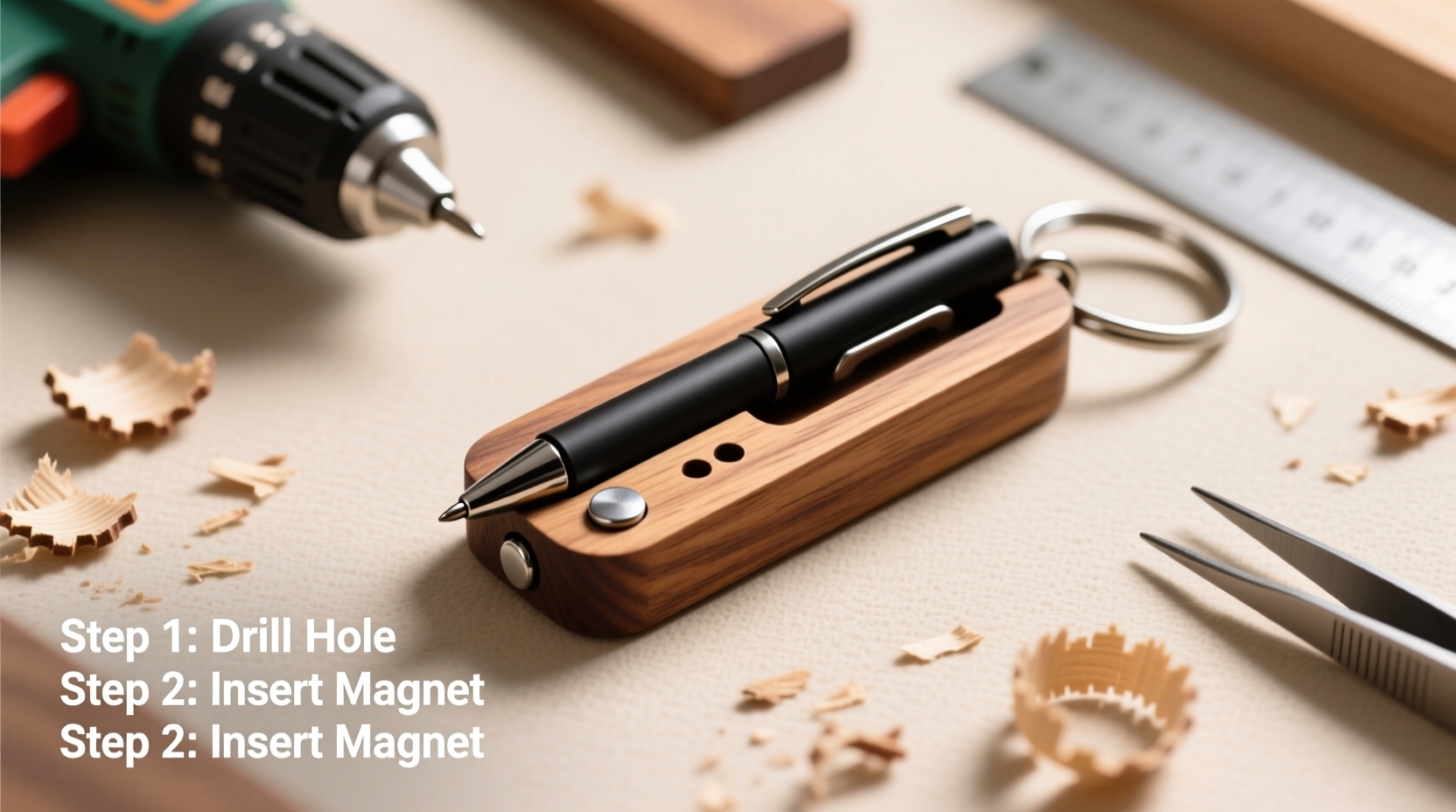
Commercial retractable keychains are widely available, but most aren’t designed specifically for pens. Off-the-shelf versions may not fit certain pen diameters, lack durability, or cost more than necessary. By building your own, you gain control over size, strength, and aesthetics—tailoring the design to your preferred pen and daily carry.
Beyond convenience, this project promotes sustainability. Instead of discarding misplaced pens, you extend their use. It also encourages mindful habits: attaching frequently lost items to your keychain creates a consistent retrieval system.
“Simple tethering solutions reduce micro-losses that accumulate into significant time and money waste over months.” — Dr. Alan Reed, Behavioral Efficiency Researcher at Urban Habit Lab
Materials and Tools You’ll Need
Gathering the right components ensures your keychain functions smoothly and lasts. Most materials can be found at hardware stores, craft shops, or repurposed from old gear.
| Item | Purpose | Recommended Specs |
|---|---|---|
| Retractable key reel (3–5 inch retraction) | Provides stretch and snap-back function | Plastic housing, metal spring core |
| Keyring (split ring or lobster clasp) | Attaches to your main keychain | 10–12mm diameter, stainless steel |
| Pen with smooth barrel (e.g., standard ballpoint) | The item being secured | Diameter under 14mm, no protruding clips |
| Nylon cord or paracord (1.5mm thickness) | Secure tether line | At least 18 inches long |
| Heat-shrink tubing or electrical tape | Insulates and secures knots | 3–5mm diameter, black or clear |
| Light-duty epoxy or strong adhesive | Bonds cord to pen (optional) | Quick-set, plastic-safe formula |
Step-by-Step Assembly Guide
Follow these steps carefully to build a reliable, snag-free anti-lost pen keychain. Allow 20–30 minutes for completion.
- Prepare the Pen
Select a pen with a uniform barrel diameter. Remove any spring-loaded clip if present, as it can interfere with secure attachment. If the pen has a cap, ensure it won’t slide off during use. - Cut and Pre-Treat the Cord
Cut an 18-inch length of nylon cord. Lightly melt the ends with a lighter to prevent fraying. Slide a 1-inch piece of heat-shrink tubing onto each end and briefly apply heat to seal. - Attach the Key Reel to Your Keyring
Open your main keyring and thread the base of the retractable reel through it. Close the ring securely. This becomes the anchor point. - Secure One End of the Cord to the Pen
Wrap one end of the cord tightly around the lower third of the pen barrel. Make 4–5 wraps, then tie a double overhand knot. For extra security, apply a drop of epoxy where the cord meets the pen. Let dry for 10 minutes. - Connect the Other End to the Key Reel
Thread the free end of the cord through the attachment loop on the key reel. Tie another double overhand knot. Trim excess cord, leaving a quarter-inch tail. Seal with heat-shrink tubing or wrap with electrical tape. - Test the Retraction
Extend the pen fully and release. It should retract smoothly without tangling. If resistance feels too high, shorten the cord slightly. If it doesn’t retract fully, check for kinks or binding knots. - Final Inspection
Ensure all knots are tight and the pen rotates freely. Confirm the pen’s ink mechanism isn’t obstructed by the cord.
Customization and Optimization Tips
Once functional, personalize your keychain for comfort and style.
- Use colored paracord to match your keyring or daily carry theme.
- Replace the standard key reel with a magnetic breakaway version for safety—prevents snags if caught on objects.
- Add a tiny charm or bead to the cord for visual distinction among multiple tethers.
- For heavier pens (e.g., metal-bodied), upgrade to a heavy-duty 8-inch reel with reinforced housing.
Real-World Use Case: How Sarah Stopped Losing Pens
Sarah, a university student majoring in architecture, went through nearly three pens per week during her first semester. She’d leave them in lecture halls, drop them between car seats, or misplace them in her oversized tote. After spending $40 on replacements in two months, she built a DIY pen keychain using a retractable badge holder from an old work ID and a spare pen.
Within days, her pen retention improved dramatically. She now uses the same setup with a mechanical pencil and reports saving both money and stress. “It sounds minor,” she says, “but not having to borrow pens during exams changed my confidence level.” Her only modification was adding a silicone sleeve to protect her pen from scratches caused by constant contact with keys.
Common Mistakes to Avoid
Even simple projects can fail due to overlooked details. Watch out for these pitfalls:
| Mistake | Consequence | Solution |
|---|---|---|
| Using elastic bands instead of retractile reels | Stretch degrades quickly; poor retraction | Use a spring-loaded reel |
| Attaching cord near the pen tip | Interferes with writing motion | Anchor near the rear third |
| Over-tightening knots | Cracks plastic barrels | Use adhesive reinforcement instead |
| Ignoring pen balance | Awkward handling | Test write before finalizing |
Frequently Asked Questions
Can I use this with a fountain pen?
Yes, but with caution. Only use with sturdy, non-delicate fountain pens. Avoid models with glass ink windows or fragile caps. Attach the cord near the grip section, not the nib end, and limit tension during retraction.
What if my pen is too thick for the cord wrap?
If the pen exceeds 15mm in diameter, consider using a quick-release carabiner clipped through the pen’s pocket clip (if fixed). Then attach the carabiner to the key reel via a short cord loop.
How do I clean the mechanism if it gets dirty?
Disassemble the key reel housing (if possible) and wipe the spring with a dry cloth. Never submerge in water. For persistent grime, use compressed air to blow debris from the spool.
Checklist: Building Your Anti-Lost Pen Keychain
- ☐ Choose a compatible pen (smooth, moderate diameter)
- ☐ Acquire a retractable key reel and matching keyring
- ☐ Cut and seal nylon cord ends
- ☐ Attach reel to primary keychain
- ☐ Secure one cord end to pen barrel
- ☐ Connect other end to reel’s attachment point
- ☐ Test retraction and adjust tension
- ☐ Inspect for durability and comfort
Conclusion: Small Change, Lasting Impact
A lost pen might seem trivial, but the cumulative effect of misplacing small tools erodes efficiency and adds unnecessary expense. By investing less than $5 and half an hour of time, you create a personalized anti-lost solution that integrates seamlessly into your routine. This DIY project isn’t just about keeping track of a writing instrument—it’s about designing systems that support focus, preparedness, and intentionality in everyday life.




 浙公网安备
33010002000092号
浙公网安备
33010002000092号 浙B2-20120091-4
Comments
No comments yet. Why don't you start the discussion?