
Handmade crafts offer a unique way to express creativity, and custom cartoon keychain dolls are a delightful project that combines whimsy, personalization, and practicality. Whether you're making them as gifts, souvenirs, or just for fun, these miniature figures can capture the essence of beloved characters or even represent friends and family in a playful style. The best part? You don’t need advanced crafting skills to get started. With basic materials and a little imagination, anyone can create charming, durable keychains that stand out.
Why Make Your Own Cartoon Keychain Dolls?
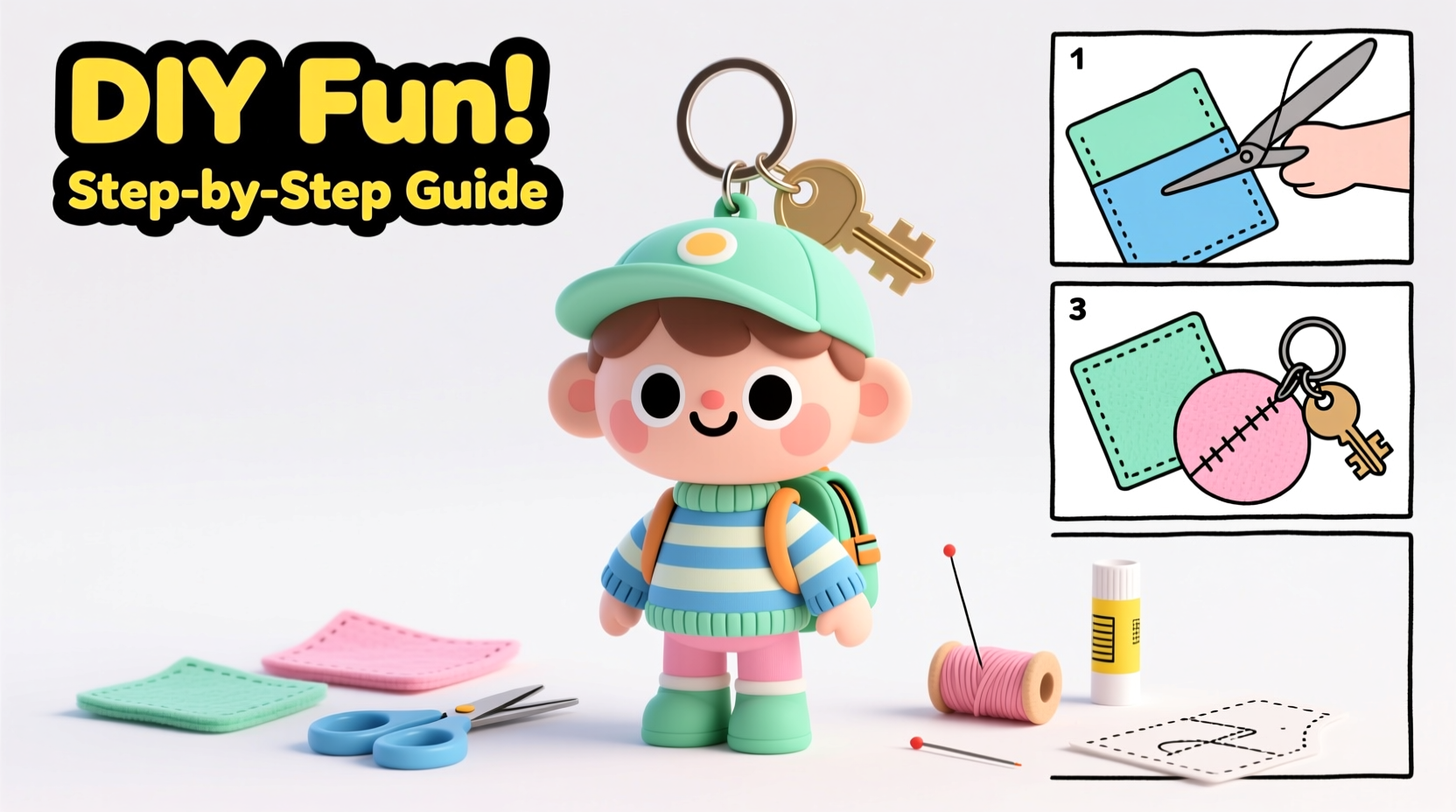
Creating your own cartoon keychain dolls goes beyond simple crafting—it’s an opportunity to personalize everyday items. Unlike mass-produced accessories, handmade keychains carry emotional value. They can reflect inside jokes, favorite anime characters, pets, or even self-portraits drawn in a cartoonish style. These small creations also make excellent party favors, holiday gifts, or merchandise for small creative businesses.
From a developmental perspective, crafting supports fine motor skills, boosts focus, and encourages problem-solving. For children and adults alike, the process of designing and assembling a tiny figure can be both meditative and rewarding. Plus, once you master the basics, the possibilities for variation are endless—different outfits, expressions, themes, and materials keep the craft fresh and engaging.
Materials and Tools You’ll Need
The beauty of this project lies in its simplicity. Most supplies are affordable, widely available, and reusable across multiple creations. Here's what you'll need to get started:
- FIMO or Sculpey polymer clay (in skin tones, hair colors, clothing shades)
- Acrylic paints (for fine details and facial features)
- Paintbrushes (fine tip for detailing)
- Rolling pin or smooth bottle (for flattening clay)
- Clay sculpting tools (or toothpicks, needles, and butter knives)
- Oven-safe baking tray
- Parchment paper
- Keyring hardware (metal or plastic rings, 15–20mm size)
- Clear varnish or glaze (to protect paint and add shine)
- Optional: googly eyes, fabric scraps, or glitter for added flair
Polymer clay is ideal because it remains soft until baked, allowing for precise shaping and corrections. Once cured in a home oven, it hardens into a lightweight yet durable material perfect for small collectibles.
Step-by-Step Guide to Crafting Your First Keychain Doll
- Design Your Character: Decide on the look—cute animal, superhero, chibi version of yourself, etc. Keep proportions simple: large head, small body works well for cartoon styles.
- Condition the Clay: Knead the polymer clay until soft and pliable. This prevents cracking during shaping.
- Sculpt the Head: Roll a small ball for the head. Use a toothpick to gently indent eyes, nose, and mouth. Avoid deep cuts—they expand during baking.
- Create the Body: Form a smaller oval or cylinder for the torso. Attach arms and legs using tiny rolled snakes of clay. Press gently to secure joints.
- Add Details: Use contrasting clay colors for clothes, hair, or accessories. Layer thin sheets for shirts or skirts. Hair can be shaped by pressing and pulling strands outward.
- Bake According to Instructions: Place your doll on parchment-lined tray. Bake at 110°C (230°F) for 20–30 minutes, depending on brand and thickness. Do not exceed recommended time.
- Cool and Paint: After cooling, use acrylics to add facial features, patterns, or textures. Let dry completely.
- Seal and Attach Keyring: Apply 1–2 coats of clear varnish. Once dry, insert a small loop of wire or attach directly to a split ring connector, then fasten the keyring.
Common Challenges and How to Solve Them
Even simple projects come with learning curves. Here are frequent issues beginners face—and how to overcome them:
| Issue | Possible Cause | Solution |
|---|---|---|
| Doll cracks after baking | Uneven thickness or under-conditioned clay | Ensure consistent shape; knead clay thoroughly before use |
| Paint won’t stick | Oily residue from handling | Wipe piece with rubbing alcohol before painting |
| Colors muddy when painting | Using too-wet brush or low-quality paint | Use separate brushes per color; opt for fast-drying acrylics |
| Keyring detaches easily | Weak attachment point | Bake a small clay loop into the top during sculpting phase |
“Polymer clay rewards patience. Small adjustments before baking make a huge difference in the final look.” — Lena Torres, Ceramic Artist & Craft Educator
Mini Case Study: From Idea to Gift in One Weekend
Sophie, a college student and anime fan, wanted to surprise her roommate with a birthday gift that felt personal. She had never sculpted before but found a YouTube tutorial on chibi figures and decided to try making a cartoon version of her friend as a magical girl character. Using FIMO clay in pastel colors, she spent Saturday afternoon sketching and shaping the doll—big eyes, pigtails, a tiny wand. She baked it carefully, painted the details Sunday morning, and sealed it with glossy varnish. By evening, she attached a rainbow-colored keyring and wrapped it in a handmade box. Her roommate was thrilled—not just by the gift, but by the thought and effort behind it. Sophie has since made five more for friends, each customized to their interests.
Creative Variations and Expansion Ideas
Once you’ve mastered the basics, consider branching out:
- Theme Series: Create a squad of characters—band members, video game avatars, or seasonal versions (e.g., Santa hats, beachwear).
- Custom Pets: Turn your dog or cat into a stylized figurine with exaggerated features.
- Pop Culture Homages: Pay tribute to iconic characters while avoiding copyright issues by altering names or designs slightly.
- Educational Use: Teachers can have students create historical figures or book characters as part of a creative assignment.
For durability, always seal painted pieces. Matte varnish gives a soft finish; glossy adds pop and protects against scratches.
Frequently Asked Questions
Can I use air-dry clay instead of polymer clay?
Air-dry clay is easier to find and doesn’t require baking, but it’s more fragile and prone to cracking. Polymer clay is recommended for long-lasting, detailed keychains.
How small should my doll be?
Most keychain dolls range from 3 to 5 cm tall. This size fits comfortably on a keyring and allows enough space for detail without being too fiddly.
Is this safe for kids to do?
Yes, with supervision. Use child-safe clays and non-toxic paints. Avoid small parts if intended for young children. Baking should be done by an adult.
Checklist: Your First Keychain Doll Project
- ☐ Choose a character concept
- ☐ Gather all materials
- ☐ Condition and color-clay
- ☐ Sculpt head, body, and limbs
- ☐ Add clothing and accessories
- ☐ Bake according to package instructions
- ☐ Cool completely before handling
- ☐ Paint facial features and details
- ☐ Seal with protective varnish
- ☐ Attach securely to keyring
Conclusion: Start Creating Today
Creating custom cartoon keychain dolls isn’t just a craft—it’s a joyful act of storytelling in miniature form. What begins as a simple experiment with clay can evolve into a meaningful hobby or even a creative side hustle. Every doll carries a piece of your imagination, turning abstract ideas into tangible keepsakes. The techniques are accessible, the materials inexpensive, and the results instantly gratifying.




 浙公网安备
33010002000092号
浙公网安备
33010002000092号 浙B2-20120091-4
Comments
No comments yet. Why don't you start the discussion?