
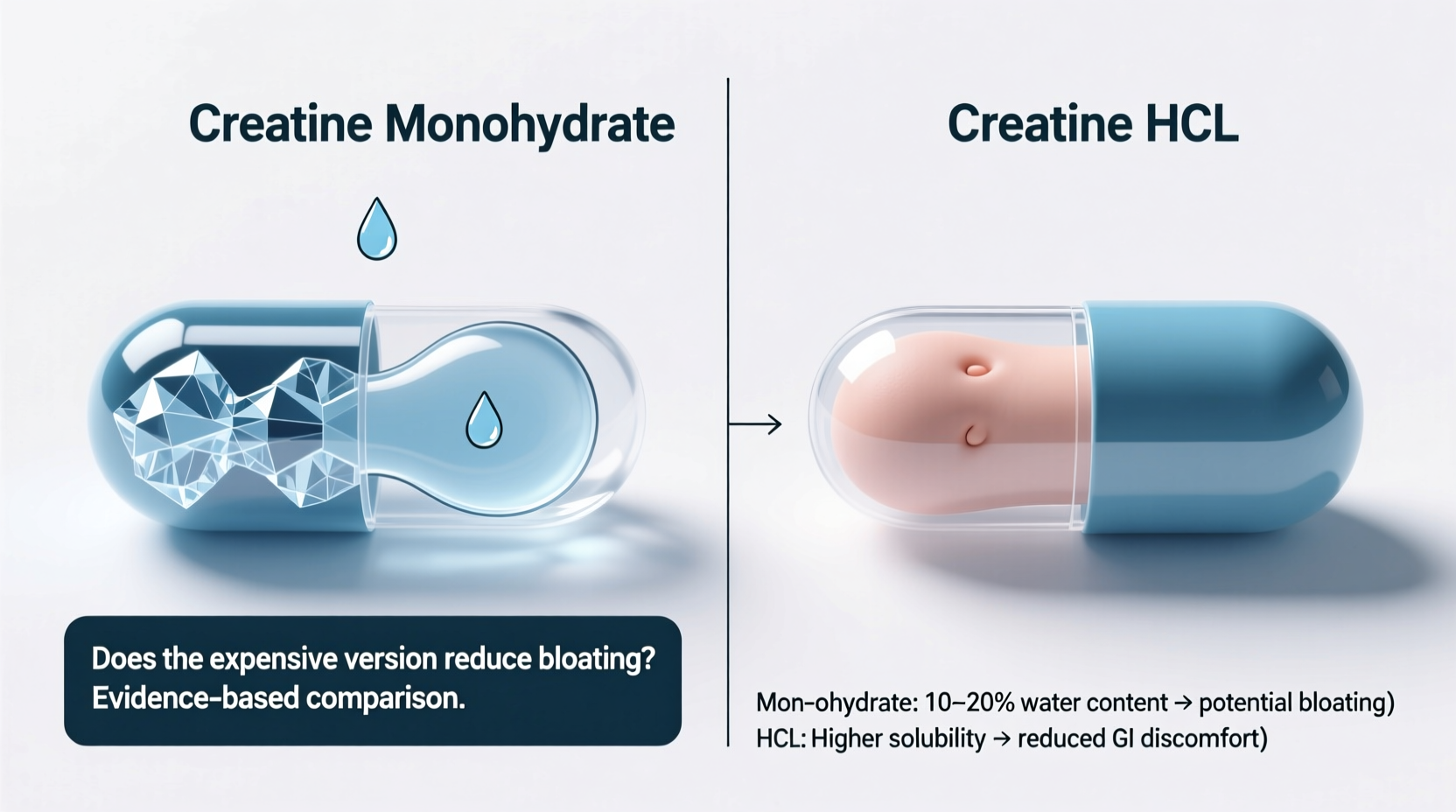
Creatine is one of the most researched and effective supplements for improving strength, power output, and muscle growth. But with multiple forms on the market—especially creatine monohydrate and creatine hydrochloride (HCl)—many athletes and fitness enthusiasts are left wondering: Is the more expensive creatine HCl actually better? Specifically, does it reduce bloating, as some brands claim? The answer isn’t as straightforward as marketing would have you believe.
Bloating, water retention, and digestive discomfort are common concerns when starting creatine. These side effects have fueled demand for “premium” versions like creatine HCl, which promise faster absorption, lower doses, and fewer gastrointestinal issues. But do these claims hold up under scientific scrutiny? Let’s dive into the chemistry, research, and real-world experience to separate fact from hype.
Understanding Creatine: Monohydrate vs HCl
Creatine is a naturally occurring compound found in muscle cells that helps produce energy during high-intensity exercise. Supplementing with creatine increases phosphocreatine stores in muscles, allowing for quicker ATP regeneration—the primary energy currency of cells during explosive movements.
The two most popular supplemental forms are:
- Creatine Monohydrate: A single creatine molecule bound to a water molecule. It’s been used for decades and is backed by over 500 studies.
- Creatine Hydrochloride (HCl): Creatine bound to hydrochloric acid, marketed as more soluble and bioavailable.
The key difference lies in solubility and dosing. Creatine HCl dissolves more easily in water than monohydrate, which has led to claims that it requires smaller doses and causes less bloating. However, solubility doesn’t automatically translate to superior performance or comfort.
Does Creatine Cause Bloating?
Yes—but not in the way most people think. The bloating associated with creatine is primarily due to increased water retention within muscle cells, not subcutaneous fluid or fat gain. This intracellular hydration is actually beneficial: it supports cell volumization, protein synthesis, and metabolic activity.
However, some users report stomach discomfort, gas, or a feeling of fullness, especially during loading phases (taking 20g per day for 5–7 days). This is typically linked to unabsorbed creatine sitting in the gut, drawing in water and fermenting slightly—a process that can cause temporary digestive upset.
Studies show that bloating affects about 5–10% of users, and severity varies based on individual digestion, dosage, and hydration levels. Importantly, this effect tends to diminish after the first week or two.
“Water retention from creatine is intra-muscular, not puffiness under the skin. It’s a sign the supplement is working, not a flaw.” — Dr. Stuart Phillips, Professor of Kinesiology, McMaster University
Comparative Analysis: Monohydrate vs HCl
To assess whether creatine HCl truly reduces bloating, we need to compare both forms across several key factors.
| Feature | Creatine Monohydrate | Creatine HCl |
|---|---|---|
| Solubility | Moderate; may settle in liquid | High; dissolves quickly |
| Typical Dose | 3–5g daily (or 20g/day for loading) | 750mg–1.5g daily |
| Scientific Backing | Extensive (500+ studies) | Limited (few human trials) |
| Average Cost (per 100g) | $8–$12 | $30–$50 |
| Bloating Reports | Low to moderate (mostly early phase) | Anecdotal reports of less bloating |
| Long-Term Efficacy | Proven to increase strength and mass | No evidence of superiority |
While creatine HCl appears more efficient on paper, there is no conclusive evidence that it leads to less bloating or better results in real-world use. Most studies showing HCl’s advantages are either in vitro (test tube), animal-based, or funded by supplement companies.
In contrast, creatine monohydrate has consistently demonstrated effectiveness across populations—from elite athletes to older adults—and remains the gold standard recommended by the International Society of Sports Nutrition (ISSN).
Real-World Experience: A Mini Case Study
Consider James, a 29-year-old CrossFit athlete who switched from creatine monohydrate to HCl after experiencing mild bloating during his first week of supplementation. He started with a standard 5g dose of monohydrate and reported feeling “puffy” and slightly gassy, though his performance improved within 10 days.
After switching to creatine HCl at 1g per day, he noticed no bloating—but also no additional gains. When he tracked his workouts over eight weeks, his progress plateaued compared to his earlier upward trend on monohydrate.
Upon reflection, James realized he hadn’t increased his water intake during the initial phase of monohydrate use. After returning to monohydrate—this time drinking 3+ liters of water daily—he experienced zero bloating and regained his performance momentum.
This scenario illustrates a common pattern: perceived side effects are often manageable with proper hydration and dosing strategy, not necessarily a flaw in the supplement itself.
Step-by-Step Guide to Minimizing Bloating on Any Creatine Form
If bloating is your main concern, the type of creatine matters less than how you use it. Follow this timeline to optimize tolerance and results:
- Day 1–3: Begin with 3g of creatine per day. Skip the loading phase unless you’re preparing for a competition and need rapid saturation.
- Hydrate aggressively. Aim for at least half your body weight (in pounds) in ounces of water daily. For a 180lb person, that’s 90oz (~2.7L).
- Take creatine with food. Consuming it with a meal containing carbs and protein enhances insulin response, which drives creatine into muscles more efficiently.
- Monitor symptoms for 7–10 days. Mild water retention is normal. True bloating (pain, gas, distension) may indicate poor digestion or inadequate hydration.
- Adjust timing if needed. Some people tolerate creatine better in the morning; others prefer post-workout. Experiment to find your sweet spot.
- Reassess at Day 14. If bloating persists beyond two weeks, consider switching forms—but only after ruling out other dietary causes.
This approach works equally well for both monohydrate and HCl. In fact, many users find that starting slow eliminates bloating entirely, making the switch to expensive alternatives unnecessary.
Expert Insight: What the Research Says
Despite aggressive marketing, experts remain skeptical of claims that creatine HCl is inherently superior.
“There’s no compelling evidence that creatine HCl offers benefits over monohydrate in terms of efficacy, safety, or side effect profile. The higher price is not justified by science.” — Dr. Abbie Smith-Ryan, Associate Professor of Exercise Physiology, UNC Chapel Hill
A 2014 study published in the Journal of the International Society of Sports Nutrition directly compared creatine HCl and monohydrate. While HCl showed greater solubility, there was no significant difference in muscle uptake, strength gains, or body composition changes after eight weeks. Gastrointestinal discomfort was low in both groups when proper dosing was followed.
Another issue is dosage accuracy. Because creatine HCl is sold in much smaller quantities, slight measurement errors can lead to under-dosing. With monohydrate, even a slightly imprecise scoop still delivers a therapeutic amount.
Frequently Asked Questions
Can I take creatine without bloating?
Yes. Most bloating is temporary and related to initial water shifts and poor hydration. Starting with a lower dose (3g/day), staying hydrated, and taking creatine with food can prevent or minimize discomfort.
Is creatine HCl worth the extra cost?
For most people, no. The added expense isn’t supported by clinical evidence. Unless you’ve tried monohydrate and consistently experience digestive issues—even after adjusting dose and hydration—there’s little reason to pay more.
Does creatine make you look puffy?
It can cause muscles to appear fuller due to increased intracellular water, but this is not the same as looking bloated or soft. In fact, many users report a harder, more defined appearance over time as muscle mass increases.
Checklist: Choosing the Right Creatine for You
- ☐ Prioritize third-party tested brands (look for NSF or Informed Sport certification)
- ☐ Start with creatine monohydrate unless you have a documented sensitivity
- ☐ Use a consistent 3–5g daily dose—no loading required
- ☐ Drink plenty of water throughout the day
- ☐ Take creatine with a meal or post-workout shake
- ☐ Wait at least 2–3 weeks before judging side effects or effectiveness
- ☐ Only consider HCl if monohydrate causes persistent GI distress despite optimization
Conclusion: Save Your Money and Stick with Science
The idea that creatine HCl reduces bloating better than monohydrate is largely a marketing narrative, not a scientific reality. While HCl is more soluble and requires a smaller dose, these properties haven’t translated into measurable benefits in independent studies. Creatine monohydrate remains the most effective, affordable, and well-researched option available.
Bloating is usually temporary and manageable with simple adjustments: lower initial dosing, better hydration, and consistent timing. Rather than chasing expensive alternatives, focus on proven strategies that support overall tolerance and performance.
If you’ve avoided creatine because of bloating fears, reconsider. Millions of users—including natural bodybuilders, endurance athletes, and older adults—benefit from its effects without discomfort. Start smart, stay consistent, and let the science—not the label—guide your choice.




 浙公网安备
33010002000092号
浙公网安备
33010002000092号 浙B2-20120091-4
Comments
No comments yet. Why don't you start the discussion?