
A well-designed reading nook isn’t just about having a book in hand—it’s about creating a sensory sanctuary where comfort, lighting, and personal style converge. One often-overlooked element that can elevate this intimate space is the humble floor mat. Specifically, a round mat brings softness, visual interest, and grounding energy to any corner. When used thoughtfully, it becomes more than decor; it defines the space, absorbs sound, and adds warmth underfoot. Whether you're working with a tight apartment alcove or a spacious bay window, integrating a round mat into your reading nook design can make all the difference.
The Role of the Round Mat in Space Definition
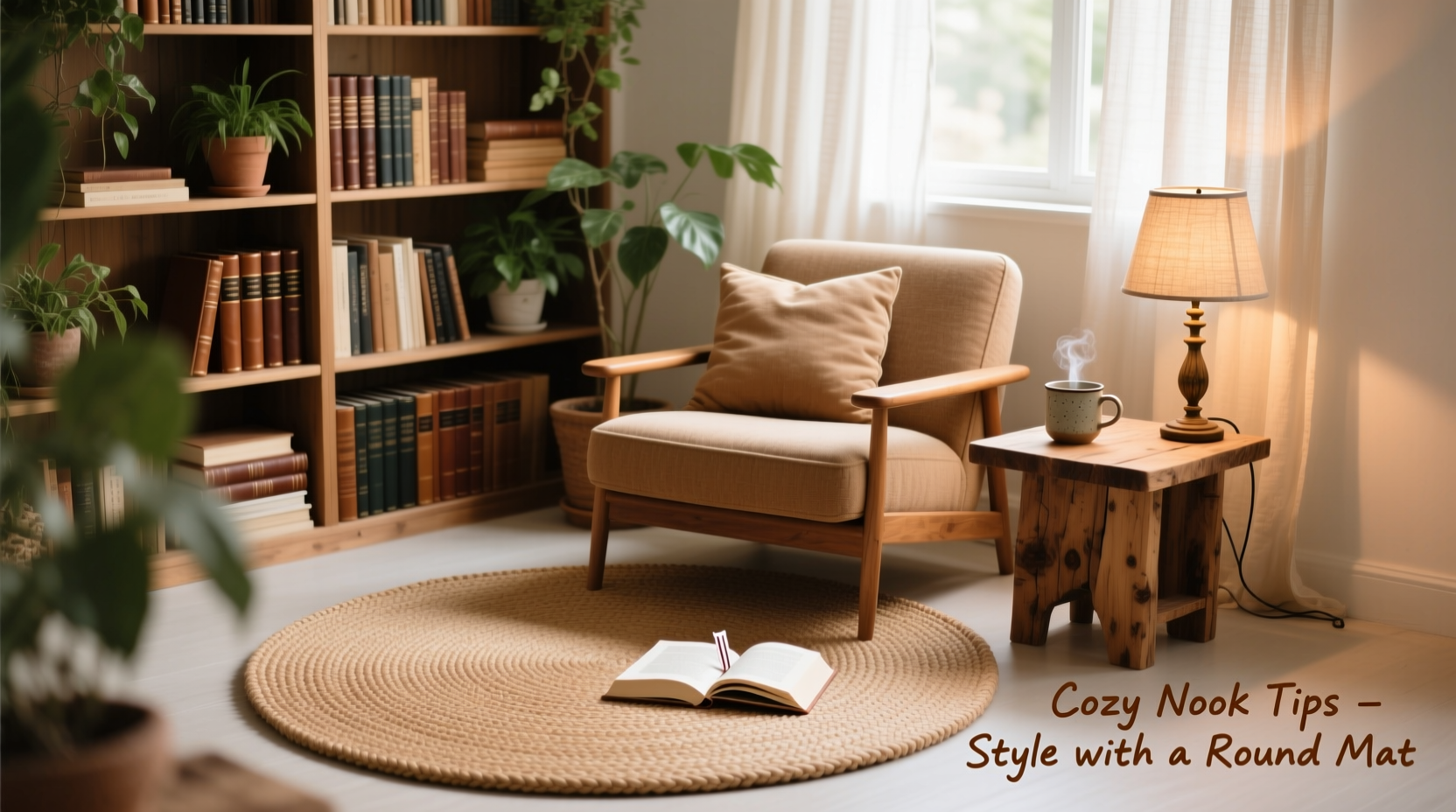
In interior design, defining zones within open or multi-purpose rooms is crucial. A reading nook should feel separate from the rest of the room—even if it occupies just a few square feet. This is where a round mat excels. Unlike rectangular rugs that follow rigid lines, round mats introduce soft geometry, drawing the eye inward and signaling a contained, intimate area.
Placing a round mat beneath a chair or chaise creates an invisible boundary. It subtly tells both you and others: this is a place for stillness. The circular shape also promotes inclusivity and flow, avoiding the sharp edges that can make a space feel segmented or cold. For small spaces, the illusion of continuity provided by a round mat prevents the area from feeling boxed in.
Material Matters: Matching Texture to Atmosphere
The material of your round mat influences both tactile experience and ambiance. Consider these options based on your desired atmosphere:
- Faux sheepskin or shaggy wool: Ideal for winter months, offering plush comfort and noise absorption.
- Jute or seagrass: Brings natural texture and breathability, perfect for airy, minimalist nooks.
- Cotton or flat-weave: Lightweight and easy to clean, suitable for sun-drenched corners or kids’ reading areas.
- Recycled fabric blends: Eco-friendly and increasingly durable, supporting sustainable design goals.
Texture plays a psychological role too. Soft, high-pile mats invite touch and promote relaxation, making them excellent companions for late-night reading. More structured weaves lend crispness and order—ideal if your nook doubles as a workspace.
“Circular textiles have a calming effect on the psyche. Their lack of angles reduces subconscious tension, which supports deeper focus and emotional ease.” — Dr. Lena Torres, Environmental Psychologist
Color and Pattern: Creating Visual Harmony
Color coordination between your mat and surrounding elements sets the tone for the entire nook. A neutral-toned round mat—like oatmeal, charcoal, or sand—acts as a grounding base, allowing bolder accents in pillows or throws. Conversely, a patterned or brightly colored mat can serve as the focal point, especially in monochromatic rooms.
When selecting color, consider natural light. North-facing nooks benefit from warm hues (terracotta, mustard, cream) to counteract cool lighting. South-facing spots with abundant sunlight can handle deeper tones like navy or forest green without feeling oppressive.
| Room Style | Recommended Mat Color | Complementary Elements |
|---|---|---|
| Scandinavian Minimalist | Ivory or light gray | Wooden stool, linen throw, black-framed art |
| Bohemian | Indigo with tribal motifs | Multicolored cushions, macramé wall hanging, brass lantern |
| Modern Farmhouse | Natural jute or black-and-white stripe | Wicker basket, galvanized lamp, vintage bookshelf |
| Coastal Cottage | Aqua or seafoam green | Rope mirror, driftwood tray, sheer curtains |
Step-by-Step: Building Your Reading Nook Around a Round Mat
Start with the mat as your foundation and build outward. Follow this sequence for balanced, intentional design:
- Select your spot: Identify a quiet corner with access to natural or adjustable lighting—near a window, beside a bookshelf, or tucked behind a sofa.
- Lay the round mat: Center it in the space. Ensure it’s large enough to support your primary seating and adjacent accessories.
- Add seating: Choose a comfortable armchair, floor cushion, or window seat. Make sure all legs or weight points rest on the mat.
- Incorporate lighting: Use a floor lamp with an adjustable head or a wall-mounted sconce to avoid glare and preserve floor space.
- Layer in textiles: Drape a lightweight throw over the chair and add one or two accent pillows. Coordinate textures but vary scale for depth.
- Include functional decor: Place a small side table or ottoman within reach for books, tea, or glasses.
- Personalize: Add a plant, framed quote, or stack of favorite books to reflect your personality.
Real Example: Transforming a Forgotten Corner
Sophie, a freelance writer in Portland, had long ignored a narrow space between her bedroom closet and window. “It collected laundry and random shoes,” she said. After reading about intentional micro-zones, she decided to try a 48-inch round jute mat as the centerpiece. She paired it with a secondhand mid-century armchair, added a recycled paper pendant light overhead, and placed a walnut nesting table beside it.
The change was immediate. “I started spending 20 minutes each morning there with coffee and a novel. The mat made the floor feel warmer, and somehow, the circle shape made me feel… held.” Within weeks, she’d painted the adjacent wall in a soft sage green and hung a small shelf for her current reads. What was once dead space now serves as her daily reset zone.
Checklist: Your Cozy Nook in Seven Steps
Before finalizing your design, run through this checklist to ensure functionality and comfort:
- ✅ Is the round mat large enough to support all furniture?
- ✅ Does the material suit your climate and cleaning habits?
- ✅ Is there adequate lighting without causing shadows on the page?
- ✅ Can you reach a surface for placing drinks or bookmarks?
- ✅ Are textiles layered for both comfort and visual interest?
- ✅ Have you included a personal touch (art, plant, photo)?
- ✅ Does the space feel secluded, even if not physically closed off?
Frequently Asked Questions
Can I layer a round mat over a larger rug?
Yes, layering a round mat over a neutral rectangular base rug adds dimension and softens transitions between zones. Just ensure the layers are securely anchored to prevent slipping.
How do I keep a round mat from curling at the edges?
Roll the mat in the opposite direction overnight before placing it. Also, use a non-slip pad underneath—especially on hardwood or tile floors—to maintain flatness and safety.
Are round mats practical for homes with pets or children?
Absolutely. Opt for low-pile, stain-resistant materials like cotton canvas or solution-dyed polypropylene. These are durable, washable, and less likely to trap fur or crumbs.
Final Thoughts: Design With Intention
A reading nook should be more than decorative—it should be a functional extension of your inner life. The round mat, though simple, acts as both anchor and invitation. It delineates space, enhances comfort, and contributes to the rhythm of daily rituals. By choosing the right size, material, and color, and arranging surrounding elements with care, you create not just a corner, but a haven.




 浙公网安备
33010002000092号
浙公网安备
33010002000092号 浙B2-20120091-4
Comments
No comments yet. Why don't you start the discussion?