
Creating a custom dog harness from a leash might sound unconventional, but with the right approach, it becomes an inventive solution for pet owners seeking comfort, control, and personalization. Whether you're in a pinch without a proper harness or want to design something unique for your dog's specific needs, repurposing a sturdy leash into a functional harness is both practical and rewarding. This guide walks through the process of transforming a standard leash into a well-fitted, comfortable harness using accessible materials and thoughtful design principles.
Why Convert a Leash into a Harness?
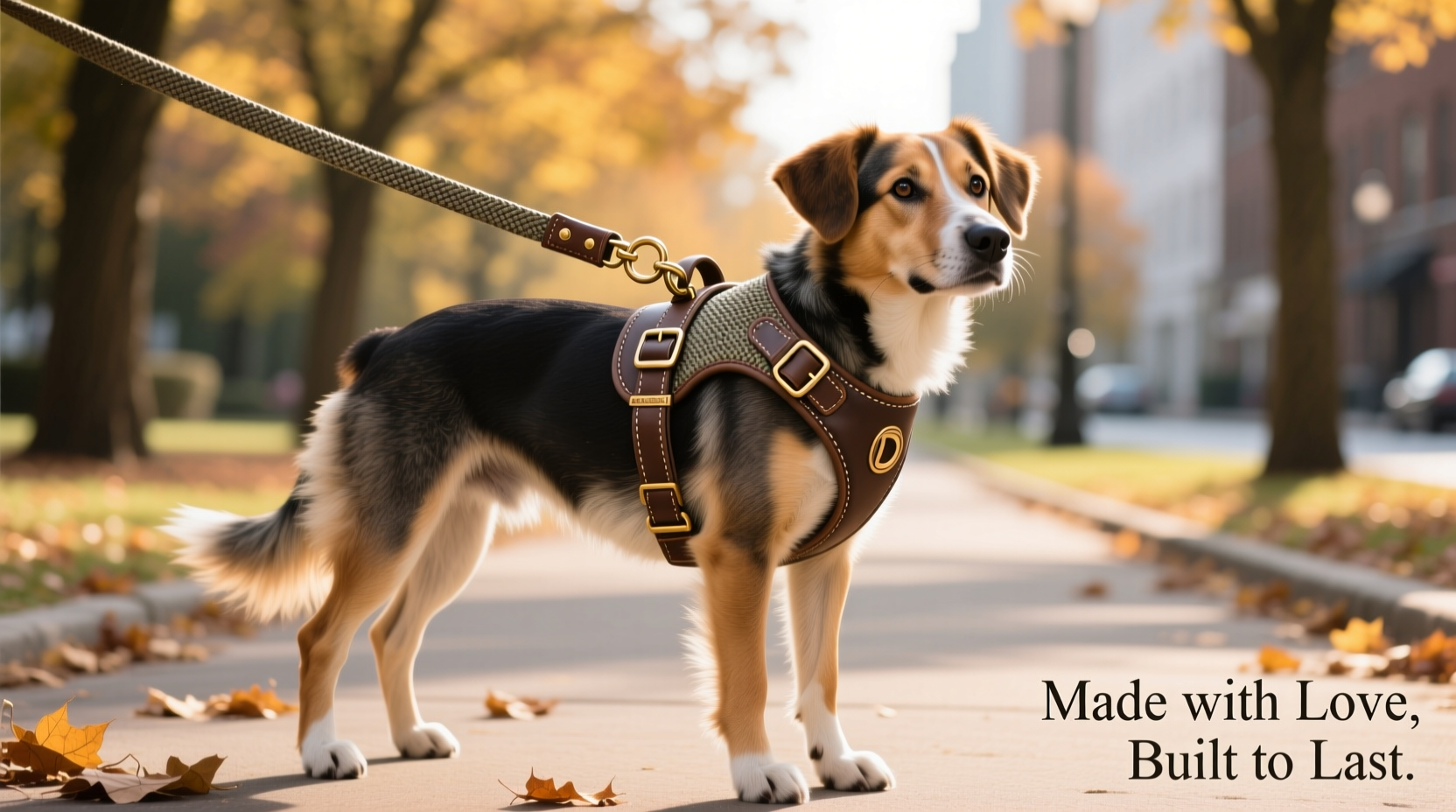
Dogs benefit from harnesses in various situations—during training, on walks in crowded areas, or when they tend to pull. Unlike collars, harnesses distribute pressure across the chest and shoulders, reducing strain on the neck and trachea. However, not all commercially available harnesses suit every dog’s body type or temperament. A custom-built harness allows for precise adjustments, better weight distribution, and the freedom to use high-quality components like durable leashes you already own.
Repurposing a leash offers several advantages: it reduces waste, saves money, and enables customization. If your dog has a broad chest, short legs, or sensitive shoulders, off-the-shelf options may chafe or slip. A handmade version ensures a snug, secure fit tailored to your dog’s unique shape.
Materials and Tools You’ll Need
The success of your DIY harness depends on selecting appropriate materials. While the core idea revolves around reusing a leash, additional components ensure safety and usability.
- A durable dog leash (preferably 1-inch wide webbing)
- Two adjustable plastic or metal side-release buckles
- One center D-ring or O-ring for leash attachment
- Heavy-duty sewing thread or UV-resistant nylon thread
- Scissors, ruler, lighter (to seal cut ends)
- Sewing machine or needle for hand-stitching
- Pins or clips to hold fabric in place
Ensure the leash material is free from fraying, mold, or excessive wear. Inspect stitching thoroughly—weak seams compromise safety. For dogs over 30 pounds, double-stitch all load-bearing points and consider bar-tacking corners for extra reinforcement.
Step-by-Step Guide to Building the Harness
This method converts a single leash into a front-clip or back-clip harness using a modified figure-eight design, which wraps comfortably around the dog’s torso and shoulders.
- Cut the leash: Remove the handle end if detachable. Cut the remaining strap into two sections—one 24 inches long (chest loop), and the rest for the back panel (length varies by dog size).
- Create the chest loop: Thread one end through a side-release buckle, fold it back 1 inch, and sew securely. Form a loop that fits snugly behind the front legs. Seal the cut end with a lighter to prevent unraveling.
- Attach the back strap: Connect the longer piece to the other side of the same buckle. Run it up along the spine, over the shoulders, and loop it through the second buckle. Adjust length so it sits just above the neck base.
- Add the leash connector: Sew a D-ring at the top center where the back strap meets the neck loop. For front control, attach the ring beneath the chest loop instead.
- Reinforce stress points: Double or triple-stitch all junctions. Test tension by pulling firmly on each segment.
- Fitting test: Place the harness on your dog. You should fit two fingers comfortably under any strap. Adjust buckle positions as needed.
For small breeds (under 15 lbs), reduce strap width to ¾ inch. Large breeds (over 50 lbs) benefit from padded lining made from fleece or neoprene strips sewn inside contact zones.
| Dog Weight | Chest Loop Size | Back Strap Length | Recommended Webbing Width |
|---|---|---|---|
| 10–20 lbs | 14–18 inches | 12–16 inches | ¾ inch |
| 20–40 lbs | 18–24 inches | 16–20 inches | 1 inch |
| 40–70 lbs | 24–32 inches | 20–26 inches | 1–1.5 inches |
Real Example: Daisy the Houdini Hound
Daisy, a 28-pound mixed-breed rescue, had mastered escaping traditional harnesses. Her owner, frustrated after three failed purchases, decided to build a custom version using an old climbing-grade leash. Measuring Daisy’s girth behind her shoulders and around her chest, she followed the figure-eight pattern, adding extra stitching near the buckles. She used a front-clip configuration to discourage pulling. After minor tweaks to the shoulder strap angle, Daisy wore the harness daily for six months without incident. The fit stayed secure during hikes, and the recycled leash material proved more abrasion-resistant than store-bought models.
This case illustrates how personalized design solves behavioral and anatomical challenges better than generic products.
“Custom harnesses aren’t just about fit—they’re about understanding how force distributes across a dog’s body during movement.” — Dr. Lena Torres, Canine Rehabilitation Specialist
Common Mistakes to Avoid
Even well-intentioned designs can fail if key details are overlooked. These pitfalls undermine safety and comfort:
- Using elastic or bungee leashes: They stretch unpredictably and offer poor control.
- Placing the clip too close to the neck: This can cause choking or imbalance during pulls.
- Skipping seam reinforcement: Regular thread breaks under strain; always use heavy-duty alternatives.
- Ignoring friction points: Unpadded straps on thin-coated dogs cause rubs. Add soft lining where straps cross the armpits.
Checklist: Building a Safe, Custom Harness
- ☐ Choose a non-stretch, high-tensile leash
- ☐ Measure your dog’s chest and neck accurately
- ☐ Cut webbing to correct lengths based on size
- ☐ Attach buckles securely with reinforced stitching
- ☐ Install D-ring in desired position (front or back)
- ☐ Test fit and adjust before full outdoor use
- ☐ Monitor for chafing or restricted movement during initial walks
Frequently Asked Questions
Can I use this harness for running or hiking?
Yes, provided all joints are double-stitched and the material is rated for dynamic loads. Avoid lightweight leashes meant only for casual walking. For intense activity, add reflective tape and padding.
Is it safe to convert a retractable leash into a harness?
No. Retractable leashes contain internal springs and thin cords unsuitable for structural use. The mechanism isn’t designed to bear constant pressure from multiple angles and could fail unexpectedly.
How do I clean a homemade harness?
Hand wash with mild soap and lukewarm water. Air dry completely before storage. Do not machine wash, as agitation weakens stitched areas and degrades webbing over time.
Final Thoughts
Making a custom dog harness from a leash blends creativity with practical care. It empowers pet owners to address fit issues, enhance comfort, and extend the life of existing gear. When built thoughtfully, these harnesses perform as reliably as commercial versions—sometimes better. Beyond function, there’s satisfaction in crafting something uniquely suited to your dog’s personality and physique.
Every dog deserves gear that supports their well-being. Whether you're refining an old leash or designing from scratch, attention to detail makes all the difference. Start measuring, cutting, and stitching with confidence—your dog will feel the improvement with every step.




 浙公网安备
33010002000092号
浙公网安备
33010002000092号 浙B2-20120091-4
Comments
No comments yet. Why don't you start the discussion?