
Cats have long been admired for their elegance, independence, and subtle charm. In recent years, pet fashion has evolved beyond function to include flair—and one of the most popular accessories is the humble bandana. When done right, a bandana can add personality to your feline’s look without causing discomfort. But safety, comfort, and practicality must come first. Unlike dogs, cats are more sensitive to restraints and unfamiliar textures around their necks. That’s why accessorizing them requires thoughtful consideration, not just aesthetic appeal.
The goal isn’t to turn your cat into a runway model, but to enhance bonding through gentle, safe styling that respects their natural behavior. With the right approach, a bandana can be both a fun accessory and a confidence booster—for both you and your cat.
Why Bandanas? Understanding Feline Fashion Sensibly
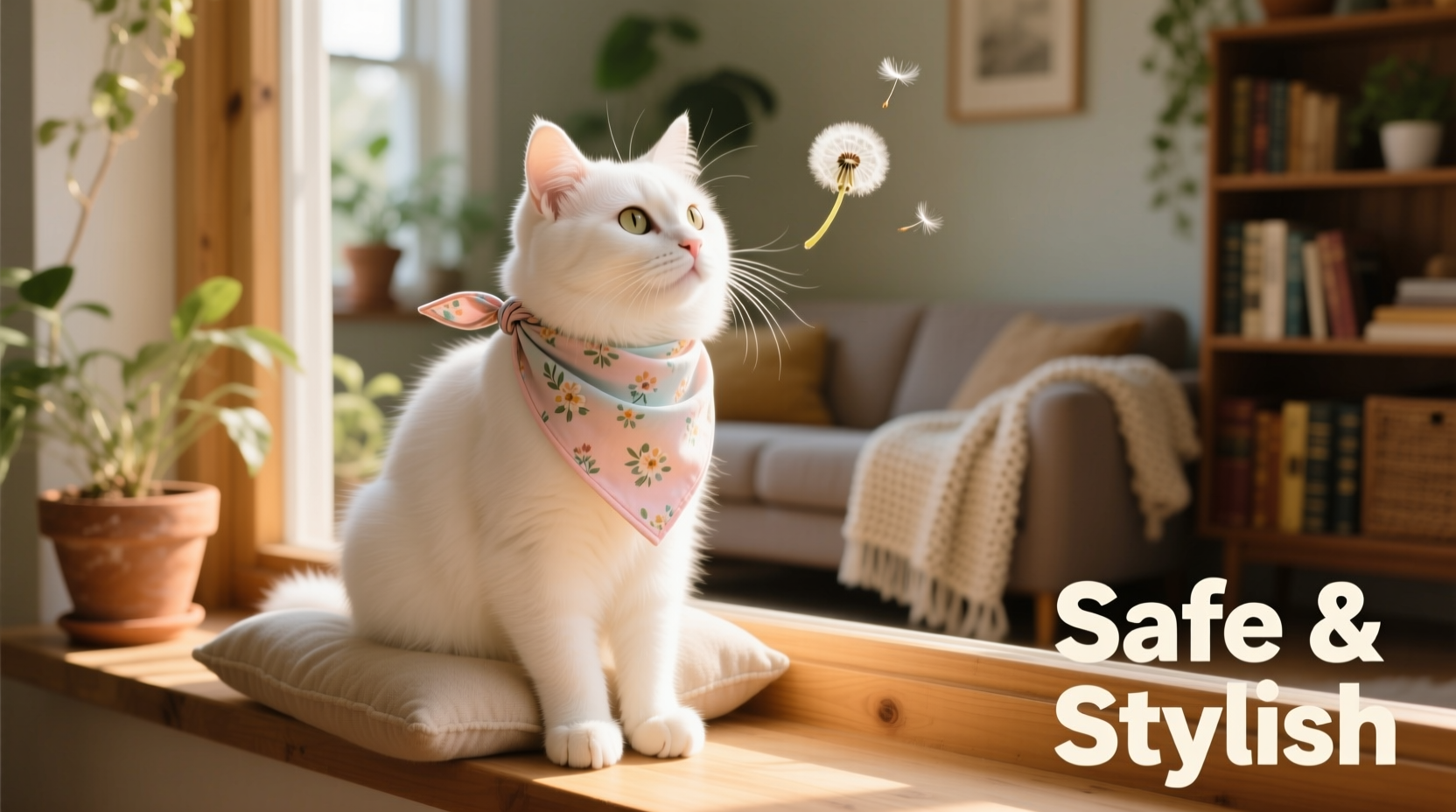
Bandanas for cats aren't just a whimsical trend—they serve multiple purposes when used appropriately. For some owners, they’re a way to express personality during photo shoots or special occasions. Others use them as subtle identifiers at multi-cat gatherings or adoption events. In therapeutic settings, soft-patterned fabrics can even provide mild sensory stimulation for shy or anxious cats.
However, unlike dogs, cats lack a domestication history tied to wearing accessories. Their grooming instincts, agility, and sensitivity to touch mean any added item must be lightweight, non-restrictive, and easily removable. The key is voluntary acceptance: if your cat resists, it's a clear signal to step back.
“Cats thrive on control over their environment. Any accessory should feel like an extension of comfort—not a constraint.” — Dr. Lena Patel, Feline Behavior Specialist
Choosing the Right Materials and Design
The foundation of a safe cat bandana lies in material choice and construction. Since cats groom themselves frequently, anything near their mouth or paws must be non-toxic and free from loose threads or embellishments they could ingest.
- Fabric: Use soft, breathable cotton or bamboo blends. Avoid synthetics that trap heat or cause static.
- Size: Opt for small, triangular or pre-tied rectangular bandanas designed specifically for cats. A width of 6–8 inches is typically sufficient.
- Fastening: Elastic-free closures are best. Velcro can snag fur; snaps may pop open. Instead, choose adjustable tie-back styles made from the same soft fabric.
- Weight: The entire bandana should weigh less than an ounce. Heavy trims or patches increase resistance and stress.
Step-by-Step: Introducing a Bandana Safely
Introducing any new object to a cat should follow a gradual desensitization process. Rushing leads to fear associations and long-term avoidance. Follow this timeline to ensure positive reinforcement:
- Day 1–2: Familiarization – Place the folded bandana near your cat’s favorite resting spot. Let them sniff and investigate it freely. Reward curiosity with treats.
- Day 3: Touch Introduction – Gently drape the bandana over their shoulders for 10–15 seconds while offering praise or a treat. Remove immediately if they show signs of distress (flattened ears, tail flicking).
- Day 4–5: Short Wear Sessions – Tie the bandana loosely behind the neck (not tight enough to restrict movement) and allow your cat to wear it for 1–2 minutes. Monitor closely. Gradually extend time only if calm behavior continues.
- Day 6+: Regular Use (Optional) – Once your cat tolerates 5-minute sessions without pawing at the bandana, occasional use becomes feasible. Never leave unattended.
Do’s and Don’ts: Bandana Safety Checklist
| Do’s | Don’ts |
|---|---|
| Use soft, washable fabrics | Use elastic, zippers, or metal hardware |
| Supervise at all times | Leave your cat alone while wearing the bandana |
| Wash after each use to remove saliva and oils | Reuse without cleaning |
| Keep sessions under 10 minutes initially | Force the bandana if your cat resists |
| Observe body language closely | Ignore signs of stress like hiding or excessive grooming |
Creative Styling Ideas That Respect Comfort
Just because safety comes first doesn’t mean style has to suffer. There are numerous imaginative yet low-impact ways to make your cat stand out—without crossing into discomfort.
- Seasonal Themes: Lightweight gingham for summer, flannel prints for fall. Match colors to holidays (pumpkin orange for Halloween, pastels for Easter) without adding bulky decorations.
- Matching Owner-Cat Sets: Wear a coordinating bandana or scarf yourself. Cats often mirror human calmness, and shared aesthetics can strengthen emotional bonds.
- Photo Shoot Prep: Use bandanas only during brief, well-lit photo sessions. Choose quiet times when your cat is naturally relaxed, such as after napping.
- Adoption Promotions: Rescue shelters sometimes use neutral-colored bandanas with tags like “Looking for Love” to draw attention to shy cats in photos—always removed afterward.
“We used soft blue bandanas during our ‘Foster Friday’ campaigns. It gave our senior cats a little extra visibility without overwhelming them.” — Rachel Kim, Shelter Coordinator at Purrfect Beginnings Rescue
Mini Case Study: Milo, the Shy Tabby Who Learned to Love His Bandana
Milo, a three-year-old domestic shorthair, was adopted from a rural shelter known for minimal human interaction. Initially wary of handling, his new owner, Jenna, wanted to build trust gradually. She introduced a small navy-blue cotton bandana printed with tiny fish—something playful but understated.
Starting with scent exposure, she placed the bandana on her lap during brushing sessions. After five days, she draped it loosely over his back while feeding high-value tuna paste. By day ten, Milo allowed the bandana to be tied gently for short videos she shared online. Within three weeks, he wore it voluntarily for up to seven minutes during evening cuddle time.
The transformation wasn’t about fashion—it was about creating a positive association with touch and novelty. Today, the bandana serves as a cue for calm interaction, not just decoration.
Frequently Asked Questions
Can kittens wear bandanas?
Kittens can be introduced to bandanas cautiously starting at 12 weeks old, provided the fabric is ultra-soft and supervision is constant. However, prioritize socialization and play over accessories during early development.
How do I clean a cat bandana?
Wash after every use in cold water with fragrance-free detergent. Air dry to prevent shrinkage. Avoid fabric softeners, which can irritate sensitive skin.
What if my cat hates the bandana?
Respect their preference. Not all cats enjoy accessories, and that’s perfectly normal. Focus instead on other forms of enrichment like interactive toys or puzzle feeders.
Final Thoughts: Style with Sensitivity
Accessorizing your cat with a bandana can be a joyful, bonding experience—if approached with empathy and care. The most stylish outcome isn’t how sharp your cat looks in a photo, but how confidently they carry themselves when they feel safe and respected.
By prioritizing comfort, using safe materials, and honoring your cat’s boundaries, you create space for creativity without compromise. Whether it’s a simple cotton triangle for a birthday portrait or a themed accessory for a holiday moment, let your cat lead the way.




 浙公网安备
33010002000092号
浙公网安备
33010002000092号 浙B2-20120091-4
Comments
No comments yet. Why don't you start the discussion?