
Dogs with strong jaws and relentless chewing habits can destroy store-bought toys in minutes. For owners of power chewers—think Pit Bulls, German Shepherds, or enthusiastic Labradors—finding a toy that lasts is a constant challenge. Rather than spending money on short-lived products, many pet parents are turning to DIY solutions that combine creativity, durability, and safety. With the right materials and construction methods, it's possible to build homemade dog toys that withstand aggressive chewing while keeping your dog mentally and physically engaged.
Why Heavy Chewers Need Specialized Toys
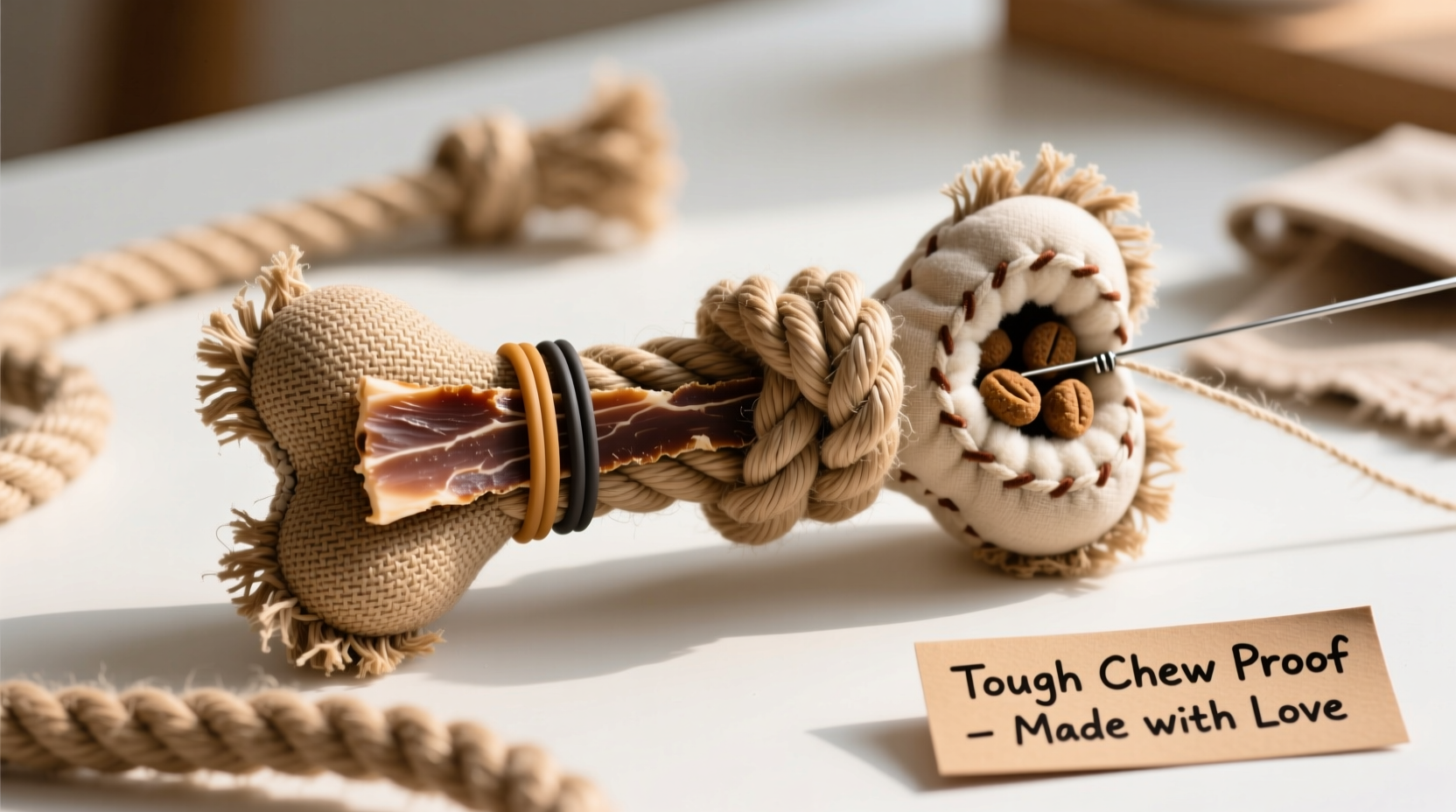
Not all dogs chew the same way. While some gently mouth their toys, others use full jaw pressure to tear, shred, and dismantle anything put in front of them. These behaviors are natural—chewing relieves stress, satisfies instinct, and supports dental health—but they demand specially engineered playthings. Standard plush or rubber toys often fail within hours, posing choking hazards when pieces break off.
The goal isn’t just longevity; it’s safety. A durable DIY toy prevents ingestion of harmful fragments and reduces the risk of intestinal blockages. Moreover, well-constructed chew toys encourage appropriate chewing behavior, steering dogs away from furniture, shoes, or electrical cords.
“Durable chew toys aren’t a luxury—they’re a necessity for powerful chewers. The right toy can prevent costly vet visits and redirect destructive energy.” — Dr. Lena Reyes, Veterinary Behavior Specialist
Materials That Can Handle Aggressive Chewing
The foundation of any chew-proof DIY toy lies in its materials. Not everything found around the house is safe or strong enough. Below is a breakdown of recommended supplies and those to avoid.
| Recommended Materials | Why They Work | Use Caution With |
|---|---|---|
| Heavy-duty denim (from old jeans) | Fibers are tightly woven and resist fraying under pressure | Thin cotton fabrics or loosely knit textiles |
| Natural fiber rope (cotton or hemp) | Strong tensile strength; promotes dental cleaning | Synthetic ropes with plastic coatings |
| Hard rubber scraps (e.g., from boots or mats) | Resistant to punctures and splintering | Brittle plastics or vinyl |
| Leather strips (vegetable-tanned, untreated) | Extremely tough and long-wearing | Chromed or chemically treated leather |
| PVC pipe (short sections, capped) | Indestructible; great for treat-dispensing designs | Sharp-edged metal or glass |
Step-by-Step: Building a Braided Denim Tug Toy
A braided tug toy made from repurposed denim is one of the most effective and accessible DIY projects for heavy chewers. It combines strength, texture variety, and interactive potential.
- Gather materials: Three old denim pant legs, scissors, lighter (for sealing ends).
- Cut into strips: Slice each leg lengthwise into 1.5-inch-wide strips. You’ll need three sets of three strips (nine total).
- Prepare each strand: Braid three strips together into a thick rope. Knot both ends securely.
- Seal fabric ends: Lightly singe the tips with a lighter to prevent unraveling (do this in a ventilated area).
- Braid the final toy: Take the three braided strands and weave them together into one ultra-dense braid. Tie large knots at both ends to create handles.
- Test for safety: Pull firmly on each knot and inspect for loose threads. Trim excess if needed.
This tug toy excels in interactive play and satisfies the urge to shake and pull—common behaviors in breeds with high prey drive. Its layered structure provides varied resistance, making chewing more engaging.
Innovative PVC Treat Dispenser: A No-Chew Breakdown Design
For dogs who destroy stuffed toys, consider a non-chewable core with edible rewards. A PVC-based treat dispenser can’t be torn apart but still encourages active problem-solving.
- Use a 6-inch section of 1.5-inch diameter PVC pipe.
- Cut two caps slightly larger than the pipe diameter.
- Drill multiple 1-inch holes around the pipe’s body.
- Insert kibble or small treats through the holes.
- Screw or glue caps on tightly (ensure no sharp edges).
The dog rolls and bats the toy to release food, stimulating mental focus without permitting destructive chewing. This design is especially useful during crate time or when you need a safe distraction.
Real Example: Max the Pit Bull’s Transformation
Max, a 2-year-old American Pit Bull Terrier, had a history of destroying squeaky toys within 20 minutes. His owner, frustrated by frequent replacements and worried about swallowed foam, turned to DIY solutions. After constructing a denim braid tug and a PVC puzzle roller, Max’s engagement shifted dramatically. He spent over 40 minutes interacting with the PVC toy during breakfast, and the tug became his go-to for supervised play. Within three weeks, household destruction dropped by 70%, according to the owner’s journal. Veterinarian checkups confirmed improved dental hygiene from the rope toy’s abrasive action.
Checklist: Building Safe, Long-Lasting DIY Dog Toys
Before finalizing any homemade toy, run through this essential checklist:
- ✅ All materials are non-toxic and free from chemical treatments
- ✅ No small parts that could become choking hazards
- ✅ Edges are smooth and sealed (no fraying or sharp points)
- ✅ Toy is sized appropriately—too small risks swallowing
- ✅ Designed for supervision if high-risk elements are involved
- ✅ Washable or easy to clean to prevent bacterial buildup
- ✅ Tested under controlled conditions before unsupervised use
Frequently Asked Questions
Can I use duct tape or glue in DIY dog toys?
Avoid standard adhesives. Most contain chemicals unsafe if ingested. If joining materials is necessary, use veterinary-grade epoxy or mechanical fasteners like rivets or stitching. Duct tape degrades quickly and should never be part of the final product.
How do I know if my DIY toy is truly chew-proof?
No toy is 100% indestructible. “Chew-proof” means highly resistant. Test the toy by applying firm pressure with pliers or simulating jaw motion. Monitor your dog closely the first few times they use it. If any piece breaks off, discontinue use immediately.
Are rope toys safe for dogs’ teeth?
Well-made rope toys from natural fibers are generally safe and even beneficial for dental health. However, excessively frayed ropes can splinter or wrap around teeth. Inspect weekly and retire if strands become loose or uneven.
Conclusion: Empower Your Pet with Thoughtful Play
Creating durable, chew-resistant dog toys at home isn’t just economical—it’s an act of care. By understanding your dog’s chewing intensity and selecting resilient, non-toxic materials, you can craft playthings that stand up to even the most determined jaws. These DIY projects foster safer chewing habits, reduce waste, and deepen the bond between pet and owner through personalized attention.
Start simple: repurpose an old pair of jeans into a braided tug. Then experiment with PVC puzzles or layered rubber knots. Each creation adds value beyond play—it reflects effort, insight, and love. Share your best builds with other pet owners, refine your techniques, and watch your dog thrive with toys built just for them.




 浙公网安备
33010002000092号
浙公网安备
33010002000092号 浙B2-20120091-4
Comments
No comments yet. Why don't you start the discussion?