
Cats are naturally curious and energetic animals. Without proper stimulation, they can become bored, restless, or even develop behavioral issues like scratching furniture or over-grooming. One of the most effective and affordable ways to engage your feline companion is through catnip-infused toys. Catnip—a member of the mint family—contains nepetalactone, a compound that triggers a euphoric response in many cats, encouraging play, rolling, and pouncing.
The best part? You don’t need to buy expensive toys from pet stores. With a few common household items and dried catnip, you can create engaging, safe, and stimulating toys that will keep your cat entertained for hours. These DIY projects are not only budget-friendly but also customizable to your cat’s preferences and energy level.
Why Catnip Works—and Why It Matters
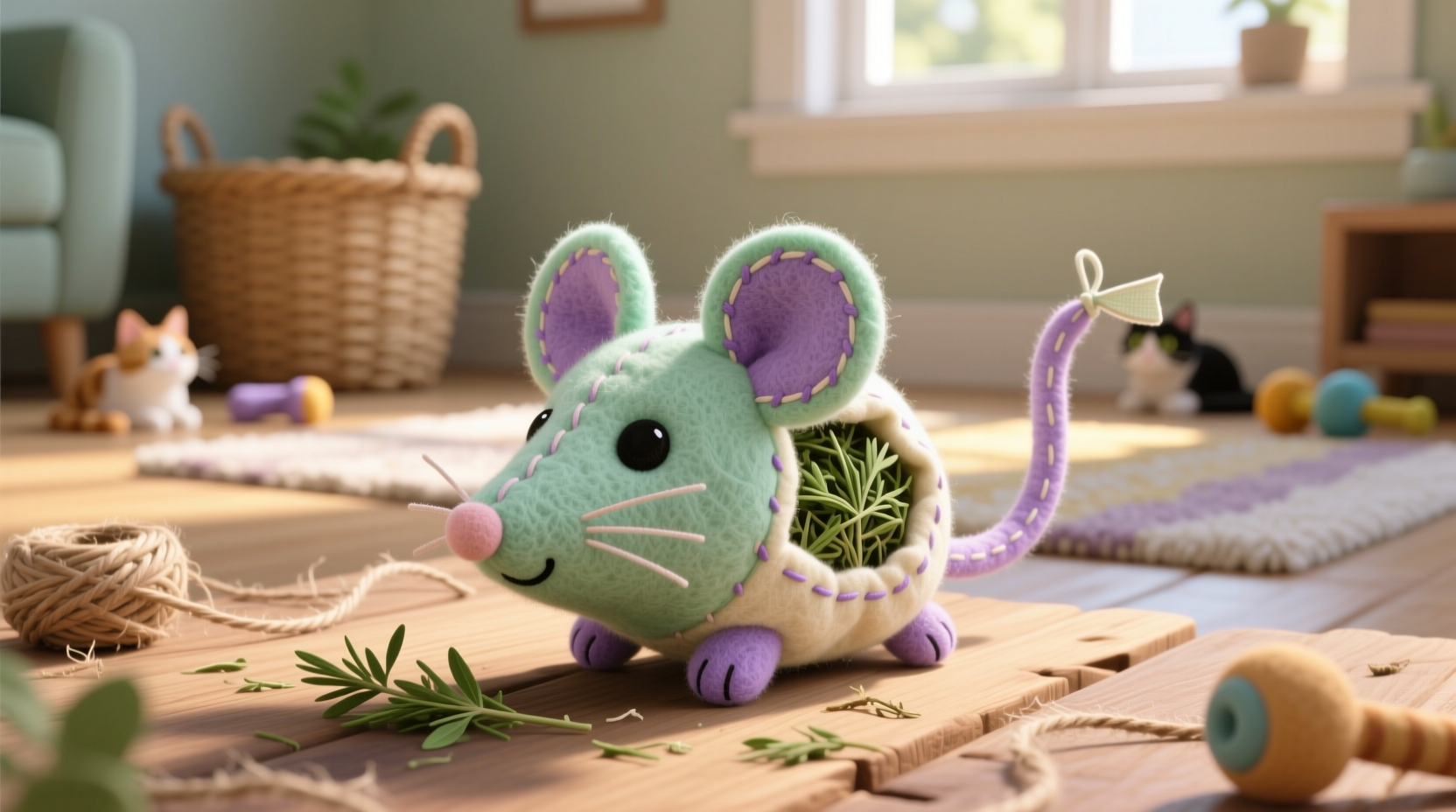
Catnip (Nepeta cataria) affects about 50–70% of cats, with sensitivity being genetic. When inhaled, nepetalactone binds to receptors in the cat’s nasal tissue, stimulating neurons that influence mood and behavior. The reaction typically lasts 5–15 minutes and is completely harmless. After exposure, cats usually enter a refractory period where they’re temporarily immune to its effects.
Using catnip strategically enhances mental stimulation, encourages physical activity, and can help redirect destructive behaviors. For indoor cats especially, regular access to engaging toys is essential for emotional well-being.
“Enrichment through scent and movement-based toys like catnip-filled creations can significantly reduce stress and obesity in sedentary cats.” — Dr. Lena Reyes, Feline Behavior Specialist
Essential Materials for DIY Catnip Toys
Before diving into specific designs, gather these basic supplies:
- Dried organic catnip (ensure it’s pesticide-free)
- Small fabric scraps (cotton, felt, or old socks)
- Needle and thread or sewing machine (or fabric glue for no-sew options)
- Empty toilet paper rolls or cardboard boxes
- Yarn, ribbons, or feathers (for added movement appeal)
- Plastic water bottles (cleaned and label-free)
- Scissors, tape, and rubber bands
Always avoid small parts that could be swallowed, such as buttons or beads, unless securely enclosed. Prioritize non-toxic materials and supervise initial play sessions.
5 Creative and Easy DIY Catnip Toy Projects
1. The No-Sew Sock Surprise
One of the simplest toys to make uses an old sock—ideal for cats who love to wrestle and kick.
- Take a clean cotton sock (knee-high works best).
- Fill the toe end with 1–2 teaspoons of dried catnip.
- Add crumpled tissue paper or plastic grocery bag pieces for crinkly texture.
- Tie the open end tightly with a rubber band or string.
- Optional: Attach a ribbon or yarn tail for dragging.
This toy mimics prey-like movement and provides both auditory and olfactory stimulation.
2. Crinkle & Pounce Ball
A lightweight ball that makes noise when batted—perfect for solo play.
- Cut a sheet of aluminum foil or empty chip bag into a 6x6 inch square.
- Sprinkle in ½ teaspoon of catnip.
- Crumple tightly into a ball.
- Wrap loosely with masking tape to hold shape (avoid hard edges).
The crinkling sound activates hunting instincts, while the catnip encourages prolonged interaction.
3. Toilet Paper Roll Treat Maze
Transform a humble roll into an interactive puzzle.
- Take 3–5 toilet paper rolls and link them with tape into a zigzag pattern.
- Sprinkle catnip inside each tube.
- Drop in a few treats or kibble to encourage exploration.
- Place on the floor or tape vertically to a wall base.
This toy promotes problem-solving and keeps curious cats engaged as they paw and nose through the maze.
4. Felt Mouse with Tail
A classic design with a handmade touch.
- Cut two identical mouse-shaped pieces from felt (approx. 3 inches long).
- Sew around the edge, leaving a small gap.
- Fill with stuffing and 1 teaspoon of catnip.
- Sew shut and attach a 4-inch yarn tail.
- Use embroidery thread to add eyes and whiskers (sewn securely).
The compact size makes it ideal for batting across floors or carrying proudly around the house.
5. Bottle Bopper
Repurpose a small plastic bottle into a dynamic rolling toy.
- Clean and dry a 500ml water bottle; remove labels.
- Sprinkle 1 teaspoon of catnip inside.
- Add dried beans or rice for sound (optional).
- Screw the cap on tightly—double-check for leaks.
- Wrap in soft fabric or tape on crinkly material for extra texture.
As your cat bats it, the bottle rolls unpredictably and releases bursts of catnip scent—driving instinctive chasing behavior.
Do’s and Don’ts of DIY Catnip Toys
| Do’s | Don’ts |
|---|---|
| Use organic, food-grade catnip to avoid pesticides | Overfill toys—too much catnip can overwhelm your cat |
| Rotate toys weekly to maintain novelty | Leave loose strings longer than 6 inches (choking hazard) |
| Inspect toys regularly for wear and tear | Use glue that isn’t pet-safe or non-toxic |
| Store unused toys in a sealed container to preserve scent | Allow unsupervised play with fragile or breakable components |
| Wash fabric toys monthly with mild detergent | Ignore your cat’s preferences—some prefer quiet, soft toys over noisy ones |
Real-Life Example: Bella’s Boredom Turnaround
Bella, a 4-year-old indoor tabby in Portland, had developed a habit of scratching the living room couch daily. Her owner, Mark, tried deterrent sprays and nail caps with limited success. After consulting a vet behaviorist, he learned Bella was under-stimulated. He began making two DIY catnip toys per week—starting with a sock toy and a crinkle ball.
Within days, Bella shifted her attention from the couch to attacking the crinkle ball at dawn. Mark rotated the toys every three days, storing them in an airtight jar to preserve potency. Over six weeks, the scratching stopped entirely. “It’s amazing how something so simple changed her behavior,” Mark shared. “Now she naps after play instead of pacing.”
Frequently Asked Questions
How often should I give my cat catnip?
Limited to 1–2 times per week to prevent desensitization. Frequent exposure can reduce responsiveness over time. Allow at least 30 minutes between sessions for the effect to reset.
Can kittens or senior cats use catnip toys?
Kittens under 6 months are typically unresponsive to catnip. Seniors can enjoy it if healthy, but monitor for overexertion. Always introduce new toys gradually.
Are there risks with homemade toys?
Potential hazards include loose threads, toxic materials, or accidental ingestion of small parts. Always supervise first interactions and discard damaged toys immediately.
Get Started Today—Your Cat Will Thank You
Making DIY catnip toys isn’t just economical—it deepens your bond with your cat and allows you to tailor enrichment to their personality. Whether your feline is a stealthy stalker or a zoomie-prone sprinter, there’s a handmade toy that matches their style. Start with one simple project this weekend. Use what you have, experiment with textures and sounds, and observe what excites your cat most.
Remember: the goal isn’t perfection, but engagement. A slightly lopsided felt mouse infused with love and catnip can spark more joy than any store-bought alternative. Rotate, refresh, and reinvent your toy collection regularly to keep curiosity alive.




 浙公网安备
33010002000092号
浙公网安备
33010002000092号 浙B2-20120091-4
Comments
No comments yet. Why don't you start the discussion?