
Fragrance tissue boxes—those compact, portable containers filled with scented tissues—are a staple in purses, drawers, and glove compartments. They offer a quick burst of freshness and act as subtle air fresheners in confined spaces. But once the scent fades or the tissues run out, most people toss them. That’s unnecessary waste. With a few simple techniques, you can refill and refresh these little boxes creatively, sustainably, and affordably. Whether you're reviving a favorite keepsake container or customizing a new one, this guide delivers practical, innovative ways to keep your fragrance tissue box vibrant and effective.
Why Refill and Refresh?
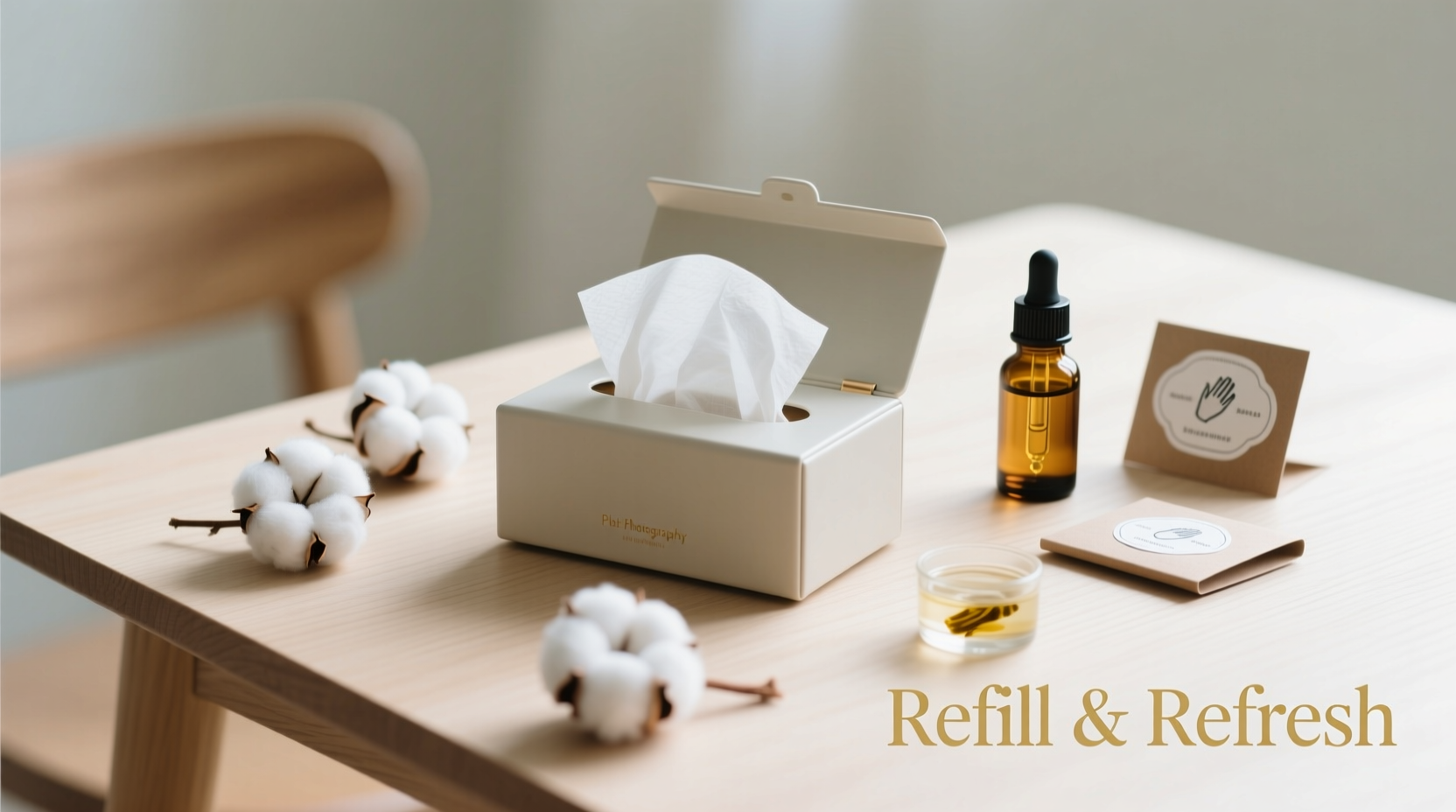
Refilling your fragrance tissue box isn’t just about convenience—it’s about sustainability, personalization, and cost efficiency. Many of these boxes are made from durable materials like metal, wood, or high-quality plastic. Throwing them away after a single use contributes to clutter and environmental strain. By refilling them, you extend their life, reduce waste, and maintain control over the scent profile. Plus, it's an opportunity to experiment with seasonal fragrances, essential oil blends, or even fabric-safe perfumes tailored to your preferences.
Step-by-Step Guide to Refilling Your Fragrance Tissue Box
Refilling doesn’t require special tools or expertise. Follow this straightforward process to breathe new life into your box:
- Empty the old contents: Remove any remaining tissues or inserts. If they’re heavily saturated or discolored, discard them.
- Clean the interior: Wipe down the inside with a cotton ball dampened with rubbing alcohol or mild soapy water. Let it dry completely.
- Select replacement tissues: Use unscented facial tissues, cosmetic wipes, or cut-down paper towels. Avoid thick textures that won’t fit snugly.
- Apply fragrance: Spray or drop your chosen scent evenly across the layers. Don’t oversaturate—damp, not dripping.
- Reassemble: Stack the treated tissues back into the box. Close the lid and let it sit for 1–2 hours to allow the scent to settle.
- Label (optional): Add a small tag or sticker indicating the scent type and date of refill for future reference.
This method works for nearly all standard-sized fragrance tissue boxes, whether store-bought or handmade.
Creative Ways to Refresh the Scent Without Full Refills
Sometimes, a full refill isn’t necessary. If the structure of the tissues is still intact but the scent has weakened, consider these refreshing alternatives:
- Dry Sachet Insert: Place a small muslin bag filled with dried lavender, rose petals, or cedar chips inside the box. It enhances the existing aroma and adds visual charm.
- Essential Oil Boost: Add 2–3 drops of essential oil directly onto the current tissues. Wait 30 minutes before using to avoid excess moisture.
- Scent Layering: Combine complementary oils—like bergamot and sandalwood—to create a richer olfactory experience without replacing everything.
- Rotating Seasonal Scents: Assign different fragrance profiles to seasons: citrus and mint for spring/summer, cinnamon and vanilla for fall/winter.
“Scent has a direct line to memory and mood. Thoughtfully refreshed fragrance boxes can become emotional anchors throughout the day.” — Dr. Lila Nguyen, Aromatherapy Researcher, Institute of Holistic Wellness
DIY Alternatives and Upcycled Containers
If your original box is damaged or you want something more personalized, repurpose everyday items into stylish fragrance tissue holders:
| Container Type | Best For | Preparation Tips |
|---|---|---|
| Mint tin (metal) | On-the-go use | Punch small holes in the lid for subtle scent diffusion |
| Small wooden box | Home storage | Line with wax paper to protect wood from oils |
| Plastic prescription bottle | Tight spaces (e.g., gym bags) | Ensure cap is secure to prevent leaks |
| Tea tins | Decorative use | Wash thoroughly; ideal for floral or herbal scents |
These upcycled options not only reduce waste but also allow for greater creativity in design and function.
Mini Case Study: Reviving a Travel Keepsake
Sarah, a frequent traveler from Portland, kept a small embroidered linen-covered fragrance box given to her by her grandmother. Over time, the scent faded, and she nearly discarded it. Instead, she cleaned it gently with a vinegar-water solution, replaced the tissues with organic cotton pads, and infused them with a blend of ylang-ylang and orange essential oils—a nod to her grandmother’s favorite perfume. She now carries it in her suitcase and uses it during long flights to ease anxiety. The refreshed box became more than functional; it became sentimental.
This example shows how a simple refill can transform an object from obsolete to meaningful.
Checklist: How to Successfully Refill & Refresh
- Empty old tissues and inspect container integrity
- Clean interior with alcohol wipe or mild cleaner
- Choose unscented, absorbent replacement material
- Select a fragrance: essential oil, perfume, or natural botanicals
- Apply scent evenly—avoid over-saturation
- Allow 1–2 hours for scent to stabilize
- Store in a cool, dry place when not in use
- Label with scent name and date for tracking
Common Mistakes to Avoid
Even with good intentions, certain missteps can reduce effectiveness or damage your box:
- Using too much liquid: Excess oil or spray can warp tissues or corrode metal interiors.
- Mixing incompatible scents: Clashing notes (e.g., patchouli and lemon) can create unpleasant odors.
- Skipping the drying step: Putting the lid on while tissues are wet can promote mold.
- Storing in direct sunlight: Heat accelerates scent evaporation and degrades essential oils.
- Ignoring expiration: Natural oils degrade; refresh every 4–6 weeks for best results.
FAQ
Can I use regular perfume instead of essential oils?
Yes, but sparingly. Alcohol-based perfumes evaporate quickly and may leave residue. Apply 1–2 sprays per layer and let dry before closing.
How often should I refresh the scent?
Every 2–4 weeks, depending on usage and environment. In hot or humid areas, refresh more frequently.
Are there child-safe options for scented tissues?
Absolutely. Use mild, non-toxic essential oils like chamomile or lavender at half strength, and store the box out of reach. Avoid eucalyptus and peppermint around children under 3.
Conclusion
Refilling and refreshing your small fragrance tissue box is a small act with big rewards. It promotes sustainability, encourages creativity, and deepens your connection to everyday objects. From simple tissue swaps to imaginative upcycling, the methods outlined here empower you to take control of your sensory environment. You don’t need expensive products or complex tools—just attention to detail and a willingness to reimagine what “disposable” really means.




 浙公网安备
33010002000092号
浙公网安备
33010002000092号 浙B2-20120091-4
Comments
No comments yet. Why don't you start the discussion?