
Cats are naturally curious creatures drawn to movement, texture, and confined spaces. While store-bought toys have their place, nothing captures a cat’s attention quite like something new, crinkly, and handmade. Paper, often overlooked as a toy material, is not only safe when used correctly but also highly engaging due to its sound, flexibility, and ease of manipulation. With just a few common household items, you can create an array of stimulating paper-based toys that will keep your cat entertained for hours—without spending a dime.
The best part? These DIY toys encourage natural hunting behaviors, reduce boredom, and can even help with weight management by promoting activity. Whether your cat loves batting small objects, hiding in tunnels, or pouncing on fluttering shapes, there’s a paper toy here to match their personality.
Why Paper Works: The Science Behind Feline Fascination
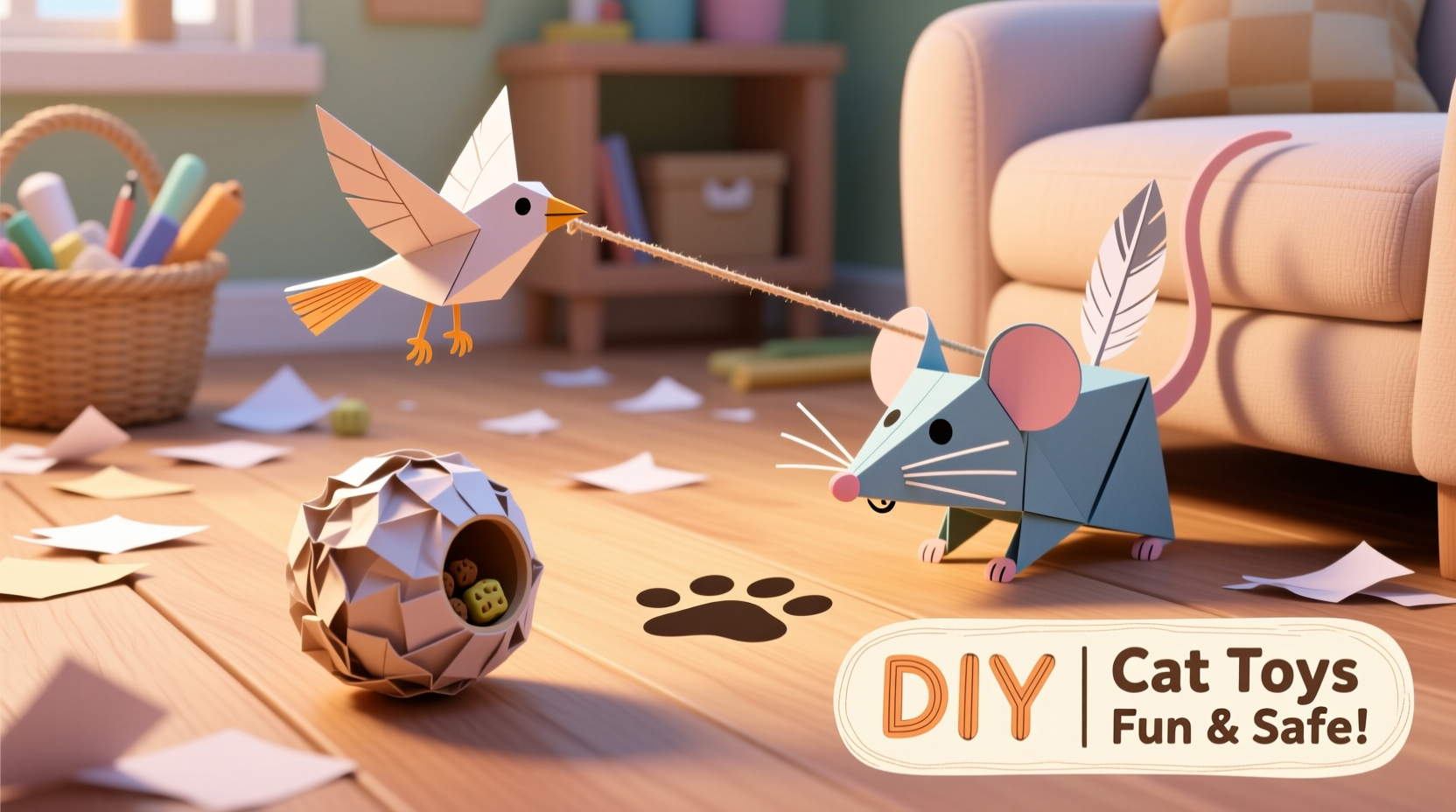
Cats respond strongly to auditory and tactile stimuli. The crinkle of paper mimics the rustling of leaves or scurrying prey, triggering instinctive stalking and pouncing behaviors. Unlike plastic or fabric, paper provides a unique combination of lightness and resistance—easy to bat around but substantial enough to hold interest.
According to Dr. Sarah Thompson, a feline behavior specialist at the Urban Cat Wellness Center:
“Environmental enrichment doesn’t require expensive gadgets. Simple materials like paper engage multiple senses and satisfy a cat’s need for novelty, which is crucial for mental health.”
Paper toys are especially beneficial for indoor cats who may lack daily environmental variety. Rotating homemade toys every few days keeps playtime fresh and prevents habituation—the point at which a cat loses interest because something becomes too familiar.
5 Creative & Easy Paper Cat Toys You Can Make Today
No special tools or crafting skills are needed. Most of these projects take under 10 minutes and use supplies you likely already have: printer paper, newspaper, tape, scissors, and string.
1. Crinkle Balls with Hidden Treats
These simple balls combine noise, movement, and reward. Wad up sheets of scrap paper tightly into 2–3 inch spheres. Before sealing the final fold, tuck in a pinch of freeze-dried tuna or a commercial cat treat. Toss one on the floor and watch your cat bat it around until the prize reveals itself.
- Use non-glossy paper to avoid ink ingestion risks.
- Replace after a day if saliva-soaked or torn apart.
- Make several to rotate weekly.
2. Paper Mouse with Tail
Fold a 3x5 inch index card or stiff notebook page into a triangular mouse shape. Roll it tightly from one corner to form a compact body. Use a hole punch to add two small eyes (or draw them safely with non-toxic marker). Attach a 6-inch strip of rolled paper or ribbon as a tail using non-toxic glue or tape.
Dangle it gently across the floor to mimic real rodent motion. This toy excels in interactive play, helping strengthen the bond between cat and owner.
3. Cardboard Tube Tunnel System
Saving toilet paper or paper towel rolls? Connect them end-to-end with masking tape to form winding tunnels. Bend some tubes slightly before taping to create curves. Place the structure against a wall or under a chair for added security. Add crinkle paper inside or dangle a string through the middle to increase engagement.
This project doubles as a hideout, satisfying your cat’s instinct to ambush and retreat—a critical component of healthy predatory simulation.
4. Flutter Butterflies on a String
Cut butterfly or leaf shapes from construction paper or recycled greeting cards. Punch a hole at the top and tie each to a 12-inch piece of yarn or dental floss (supervised use only). Tape the other end to a stick, ruler, or pencil to create a wand toy.
Wave it slowly above your cat’s head so the paper flutters unpredictably. Avoid fast jerks; let gravity and air currents guide the motion for a lifelike effect.
5. Newspaper Fort or Cave
Lay out four to six full sheets of newspaper and roll them into long “logs” by starting at one corner and rolling diagonally. Once all logs are made, stand them upright in a circle and weave additional strips horizontally through them like a wattle fence. Top it off with a flat sheet to create a roof, or leave open for easy access.
Your cat gets both a toy and a den. Many cats prefer enclosed spaces for resting and playing, making this dual-purpose creation especially valuable.
Step-by-Step Guide: Build a Multi-Path Paper Maze in 20 Minutes
A paper maze encourages exploration, problem-solving, and physical movement. Here’s how to assemble one quickly:
- Gather Materials: 8–10 cardboard tubes, masking tape, scissors, 3 large sheets of newspaper or kraft paper.
- Create Entry Points: Flatten one end of each tube slightly and cut a U-shaped doorway halfway up the side.
- Design Layout: Arrange tubes in a zigzag or circular pattern on the floor, leaving 4–6 inches between each.
- Connect Pathways: Cut newspaper into 6-inch wide strips. Tape one edge along the gap between two tubes to form a bridge or walkway.
- Add Stimuli: Crumple small paper balls and place them inside tubes or on bridges.
- Introduce Gradually: Let your cat sniff and explore without interference. Gently roll a ball through the maze to spark curiosity.
After 2–3 uses, reconfigure the layout to maintain novelty. Cats thrive on changing environments—even minor shifts in furniture or toy placement can reignite interest.
Safety First: Do’s and Don’ts of Paper Toy Use
While paper is generally safe, certain precautions protect your cat from harm. Follow this guide to ensure fun stays risk-free.
| Do’s | Don’ts |
|---|---|
| Use plain, uncoated paper (printer paper, newspaper, kraft paper) | Use glossy magazines, gift wrap, or ink-heavy pages |
| Supervise play until you know your cat won’t eat paper | Leave shredded toys unattended for long periods |
| Replace toys when heavily chewed or soiled | Use staples, glue, or tape within reach of teeth |
| Combine paper with other safe elements (yarn, felt scraps) | Attach small parts that could become choking hazards |
| Store extras in a dry container away from moisture | Use colored paper if your cat has a history of eating non-food items |
Real Example: How Mia the Shy Kitten Became Playful with Paper Toys
Mia, a six-month-old rescue tabby, arrived at her new home withdrawn and hesitant to interact. Her adopter, Jen, tried plush mice and feather wands, but Mia showed little interest. On a whim, Jen crumpled a piece of paper into a loose ball and rolled it slowly across the kitchen floor.
Mia flicked her ears, then crept forward. She batted the ball once, retreated, then returned. Over the next week, Jen introduced a paper tunnel made from taped toilet rolls and a fluttering butterfly on a string. Slowly, Mia began chasing, pouncing, and even bringing toys back for more.
“It was the crinkling sound that hooked her,” Jen said. “Now she runs to the recycling bin whenever I start cutting paper.” Within three weeks, Mia’s confidence soared, and play became a daily ritual.
FAQ: Common Questions About Homemade Paper Cat Toys
Can cats digest paper safely?
Small amounts of plain paper usually pass through a cat’s digestive system without issue, but intentional ingestion (pica) should be monitored. If your cat eats paper regularly, consult a veterinarian—this may indicate stress, nutritional deficiency, or compulsive behavior.
How often should I rotate paper toys?
Swap out toys every 3–5 days to maintain novelty. Keep a rotation bin with 5–6 options and reintroduce old favorites after a two-week break. This mimics the unpredictability of prey in the wild.
Are there eco-friendly benefits to paper toys?
Absolutely. Reusing junk mail, newspapers, and packaging reduces waste while providing entertainment. At the end of their life, most paper toys can be composted or recycled, unlike plastic alternatives that contribute to landfill waste.
Final Thoughts: Turn Everyday Paper into Endless Fun
You don’t need flashy gadgets or premium pet products to enrich your cat’s life. Often, the simplest materials spark the deepest joy. Paper toys tap into primal instincts, promote exercise, and foster bonding—all while being sustainable and cost-effective.
Start today with a single crinkle ball or cardboard tube maze. Observe how your cat interacts, then refine based on their preferences. Some cats love chasing, others prefer ambushing or shredding. The beauty of DIY is customization: you design what works for your feline’s unique personality.




 浙公网安备
33010002000092号
浙公网安备
33010002000092号 浙B2-20120091-4
Comments
No comments yet. Why don't you start the discussion?