
For pet owners who value both design and daily convenience, integrating your dog’s essentials into your living space can be a challenge. One of the most frequently used — yet often overlooked — areas is the feeding zone. A cluttered floor with bowls pushed under tables or tucked into corners not only looks messy but can encourage bad eating habits and tracking of food and water. A custom dog feeding station offers a smart solution: a dedicated, organized, and stylish spot tailored to your dog’s needs and your home’s aesthetic.
This guide walks through how to build a functional, durable, and visually appealing feeding station using accessible materials and tools. Whether you're a seasoned DIYer or new to woodworking, this project balances creativity with practicality to create a lasting addition to your home.
Why Build a Custom Feeding Station?
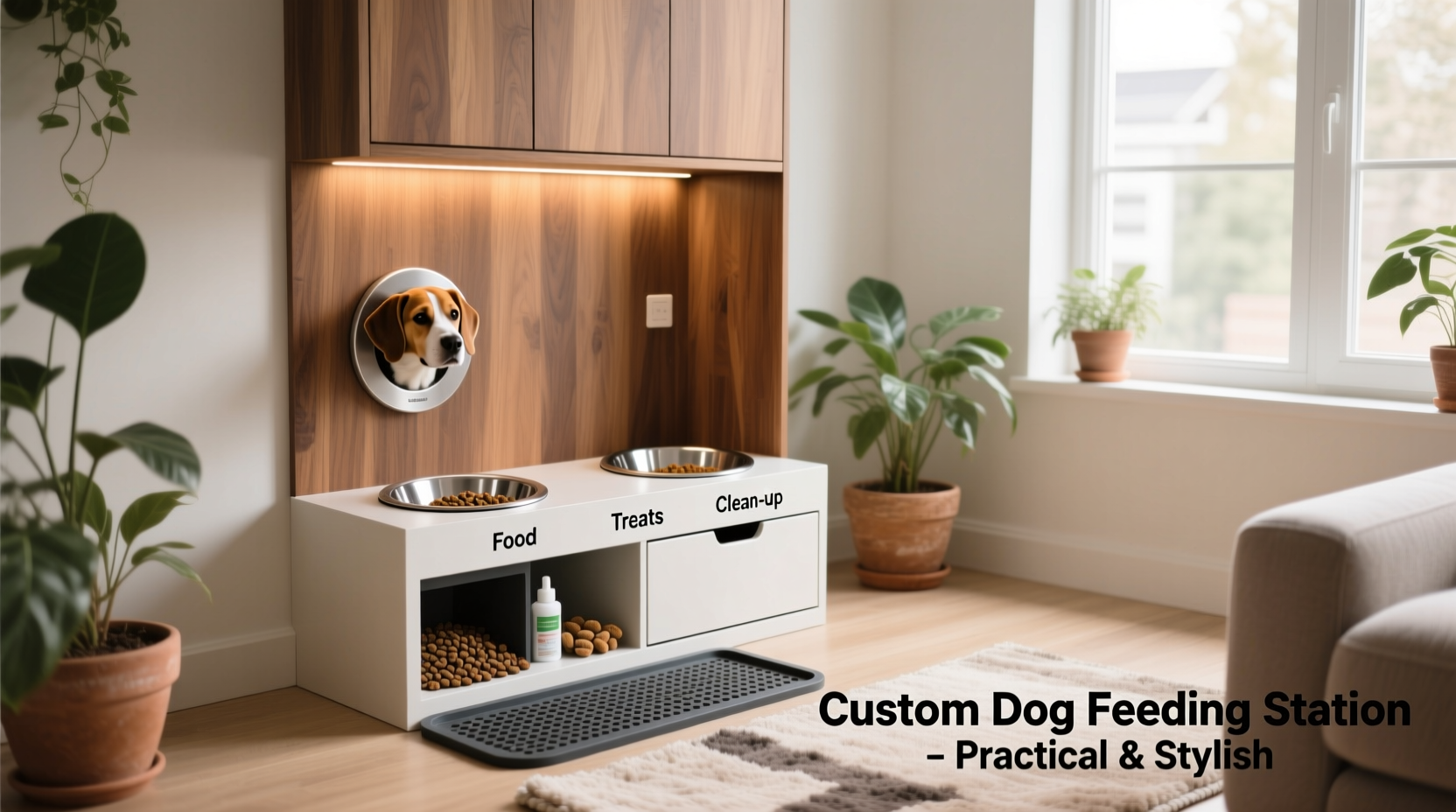
Off-the-shelf feeding stands are available, but they rarely account for your dog’s size, your kitchen layout, or your interior design preferences. A custom-built station allows you to:
- Adjust bowl height to support proper posture and digestion
- Incorporate storage for food, treats, and feeding accessories
- Match your home’s materials and finishes (e.g., wood tone, color)
- Prevent spills and messes with built-in trays or splash guards
- Free up floor space by mounting units on walls or under counters
“Elevated feeding isn’t just about comfort—it can reduce strain on joints and improve swallowing mechanics, especially in larger breeds.” — Dr. Lena Torres, Veterinary Rehabilitation Specialist
Planning Your Design: Key Considerations
Before picking up a saw or drill, define your goals. Ask yourself:
- How many dogs will use the station?
- What size and type of bowls do you use (ceramic, stainless steel, slow-feed)?
- Do you need dry food storage, treat jars, or leash hooks?
- Where will it go—kitchen nook, mudroom, laundry area?
- Should it be freestanding, wall-mounted, or tucked under a counter?
Measure your dog from the ground to the top of their shoulder. The ideal bowl height is typically 6–10 inches below this point for large dogs, and proportionally lower for small breeds. This ensures they don’t hunch or stretch while eating.
Step-by-Step Construction Guide
Here’s a straightforward method for building a freestanding wooden feeding station with integrated storage. Estimated build time: 3–5 hours.
- Gather Materials: ¾” plywood or pine boards, wood screws, wood glue, sandpaper (120 & 220 grit), stain or sealant, two non-slip bowl trays or cutouts.
- Cut the Pieces:
- Base: 24” x 18” (adjust based on space)
- Sides: Two pieces at 10” x 18” (height depends on dog size)
- Shelf: 22” x 10” (for storage compartment)
- Bowl Cutouts: Trace bowls on base; use jigsaw to cut holes 1” apart.
- Assemble Frame: Attach sides to base using wood glue and screws. Reinforce corners with L-brackets if desired.
- Add Shelf: Mount shelf 4” above base to create enclosed storage for bags or containers.
- Sand & Finish: Smooth all edges. Apply pet-safe wood finish or water-based polyurethane.
- Install Bowls: Place stainless steel bowls into cutouts. Use rubber grommets or non-slip mats underneath to prevent sliding.
For a minimalist look, consider a wall-mounted version using floating shelf brackets and a single tray with dual bowl inserts. This saves floor space and keeps the area easily cleanable.
Smart Features to Enhance Functionality
Elevate your station beyond basic bowls with these thoughtful upgrades:
| Feature | Benefit | Implementation Tip |
|---|---|---|
| Sliding Tray | Makes cleaning spills effortless | Use drawer slides under a removable front panel |
| Integrated Food Dispenser | Reduces bag clutter and portion control | Mount a sealed container with flip-top access above the bowls |
| Hidden Waste Bag Holder | Keeps leashes and cleanup supplies together | Add a small side pocket or magnetic clip |
| Spill Catch Basin | Contains water splashes and kibble scatter | Line base with silicone mat or recessed tray |
Real-Life Example: The Urban Apartment Solution
Sarah, a graphic designer in Chicago, lived in a 700-square-foot loft with her 65-pound rescue mix, Milo. She loved clean lines and hated the look of plastic bowls on her hardwood floors. Her solution? A walnut-finished feeding nook built into a pantry alcove.
She repurposed leftover cabinetry wood to create a low-profile unit with two elevated bowls, a pull-out drawer for treat pouches, and a fold-down flap that doubled as a placemat during messy meals. The entire build cost under $80 and took one weekend. “It’s become a conversation piece,” she said. “Guests assume it was custom ordered—but I built it myself.”
Material & Safety Checklist
Ensure your feeding station is safe, durable, and easy to maintain. Follow this checklist before finalizing your build:
- ✅ Use non-toxic, pet-safe finishes (look for VOC-free labels)
- ✅ Avoid sharp edges; round corners with sanding or router bit
- ✅ Secure all hardware so dogs can’t chew or loosen parts
- ✅ Choose stainless steel bowls—they’re hygienic and dishwasher-safe
- ✅ Make components removable for deep cleaning
- ✅ Test stability—ensure the unit won’t tip if your dog leans into it
Frequently Asked Questions
Can I build a feeding station without power tools?
Yes. Pre-cut lumber from hardware stores can be assembled with wood glue and clamps. Use hand saws for minor adjustments and sandpaper to smooth edges. While slower, it’s entirely feasible for simple designs.
How do I keep ants or pests out of stored food?
Never store open food bags inside the station. Instead, transfer kibble to airtight containers with locking lids. If incorporating a dispenser, line the compartment with a removable silicone tray for easy wiping.
Is elevated feeding right for every dog?
While beneficial for large or senior dogs with joint issues, elevated feeders may increase bloat risk in deep-chested breeds like Great Danes or Boxers. Consult your vet before making permanent changes to feeding height.
Final Thoughts and Next Steps
A custom dog feeding station is more than a furniture piece—it’s a reflection of how much you care about your pet’s well-being and your home’s harmony. With thoughtful planning and basic craftsmanship, you can eliminate clutter, improve mealtime ergonomics, and add a personalized touch to your space.
Start small: sketch your idea, take measurements, and source materials. Even a modest build can make a meaningful difference. Once complete, share your project online—many fellow pet lovers are looking for inspiration and might adapt your design for their own homes.




 浙公网安备
33010002000092号
浙公网安备
33010002000092号 浙B2-20120091-4
Comments
No comments yet. Why don't you start the discussion?