
In an age where digital distractions dominate childhood, teaching kids about money through real-world experience is more important than ever. Instead of handing over allowances with no strings attached, parents can empower children by guiding them toward earning their own income. When kids work for their money—whether through small neighborhood jobs or creative side hustles—they gain more than cash. They learn responsibility, goal-setting, problem-solving, and the value of hard work. These early experiences lay the foundation for lifelong financial literacy.
Why Earning Money Matters for Kids
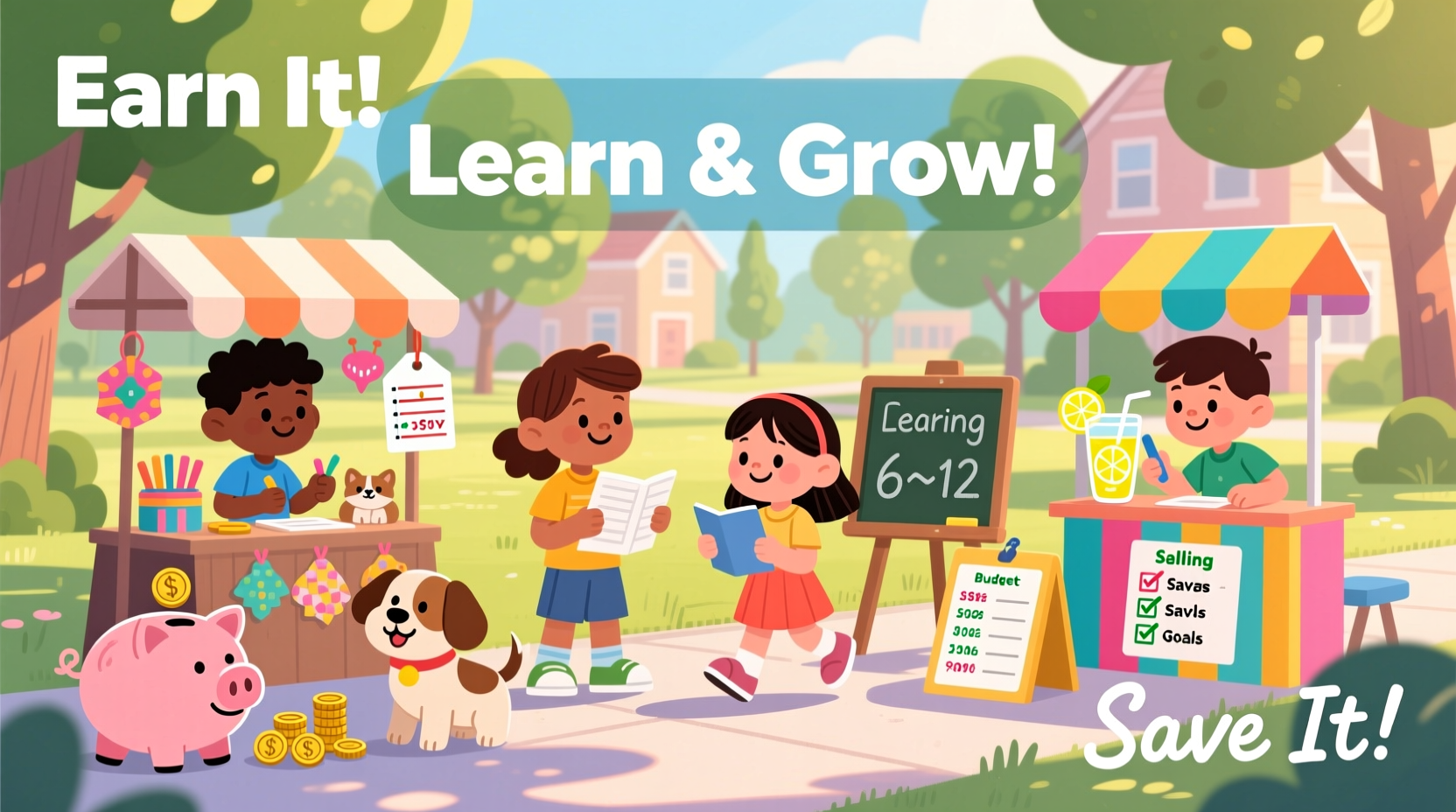
Earning money isn’t just about buying toys or treats. It’s a hands-on way for children to understand economic principles such as supply and demand, time management, and delayed gratification. Research from the National Endowment for Financial Education shows that children who engage in money-earning activities before age 13 are more likely to develop healthy financial habits as adults.
When kids earn their own money, they’re more thoughtful about spending it. They begin to see trade-offs: if they save now, they can afford something bigger later. This awareness fosters independence and confidence. Moreover, entrepreneurial projects encourage creativity, communication, and customer service skills—competencies that benefit them far beyond finance.
“Children who earn their own money develop a stronger sense of agency and responsibility. They’re not just consumers—they become creators and problem solvers.” — Dr. Rebecca Meier, Child Development Specialist
Creative and Practical Ways Kids Can Earn Money
There are countless age-appropriate opportunities for kids to make money, depending on their interests, skills, and maturity level. Below are several proven ideas that blend fun with learning.
1. Neighborhood Services
Simple tasks around the neighborhood can turn into reliable income streams. These jobs teach punctuality, reliability, and interpersonal skills.
- Lawn mowing and raking: Great for older kids during spring and fall.
- Dog walking: Builds responsibility and routine.
- Babysitting (for teens): Requires training but pays well and builds trust.
- Car washing: A seasonal favorite that encourages teamwork if done with siblings or friends.
2. Creative Sales Ventures
Kids with artistic talent or crafty hobbies can monetize their passions.
- Handmade crafts: Bracelets, painted rocks, greeting cards, or holiday ornaments sold at local markets or online via parent-managed platforms.
- Baked goods: Cookies, lemonade, or cupcakes sold at curbside stands (with adult supervision).
- Custom artwork: Commissioned drawings or personalized pet portraits via word-of-mouth.
3. Digital Opportunities (With Parental Oversight)
For tech-savvy kids, the internet offers safe, monitored ways to earn.
- Designing digital stickers or emojis: Platforms like Etsy allow parents to set up shops for children’s creations.
- YouTube shorts or educational videos: If a child enjoys explaining things, short how-to clips on math tricks or science experiments can grow an audience over time.
- Transcription or data entry (for teens): Simple typing tasks on kid-safe freelance sites.
4. Seasonal and Event-Based Work
Timing-based gigs help kids learn about planning and peak demand.
- Holiday gift wrapping: Offer services at family gatherings or community centers.
- Pumpkin carving: Charge a small fee for custom jack-o'-lanterns in October.
- Snow shoveling: Ideal for winter months in colder climates.
Step-by-Step Guide: Launching Your Child’s First Money-Making Project
Starting small ensures success and builds momentum. Follow this five-step process to guide your child from idea to income.
- Identify Interests: Ask what your child enjoys doing—drawing, organizing, helping animals—and match it to a service or product.
- Set a Goal: Define a clear target, such as saving $50 for a video game or donating $20 to a shelter.
- Create a Plan: Decide pricing, materials needed, marketing method (flyers, social media post), and schedule.
- Launch & Track: Start small, deliver quality work, and keep a simple record of earnings and expenses.
- Review & Improve: After a week or two, discuss what worked and what could be better. Adjust accordingly.
Teaching Financial Skills Through Earnings
Earning money is only half the lesson. The real value comes from managing it wisely. Parents can use these moments to teach core financial concepts using a simple framework.
| Financial Skill | How to Teach It | Real-Life Example |
|---|---|---|
| Budgeting | Divide earnings into jars: Save, Spend, Give | A child earns $20: $10 save, $7 spend, $3 donate |
| Delayed Gratification | Track progress toward a larger purchase | Save $5/week to buy a $60 bike in 12 weeks |
| Entrepreneurial Thinking | Encourage pricing experiments and feedback | Raise lemonade price from $1 to $1.25 after high demand |
| Basic Accounting | Use a notebook or app to log income and costs | Spent $3 on supplies, earned $15 → profit = $12 |
Mini Case Study: Maya’s Lemonade + Baking Stand
Maya, age 10, wanted a new art kit costing $35. With her mom’s help, she launched a weekend stand selling lemonade and homemade cookies. She invested $8 from her savings for ingredients and designed a colorful sign. In the first week, she earned $22. By week three, she introduced “flavor combos” and added a donation jar for a local animal shelter, which attracted more customers. After five weekends, she reached her goal—and had $10 extra to save. Along the way, she learned to calculate change, track profits, and handle disappointment on rainy days when sales were low.
Her mother noted: “She didn’t just get the art kit. She gained pride in her ability to make things happen.”
Checklist: Setting Up a Successful Kid-Friendly Money Venture
- ☑ Choose an activity aligned with the child’s interests and skills
- ☑ Set a clear financial goal (e.g., save $X for Y)
- ☑ Estimate startup costs and plan funding (parent loan vs. own savings)
- ☑ Create simple branding (name, sign, packaging)
- ☑ Establish a consistent schedule (e.g., every Saturday morning)
- ☑ Open three labeled containers: Save, Spend, Give
- ☑ Review earnings weekly and celebrate progress
Frequently Asked Questions
What’s the right age for kids to start earning money?
Kids as young as 5 or 6 can begin with guided activities like helping neighbors water plants or making crafts to sell. The key is matching the job to their abilities and providing supervision. By age 8–10, many children can manage small independent ventures with parental support.
Should I pay my child for chores?
It’s wise to separate regular household responsibilities from paid work. Daily chores like making the bed or clearing dishes should be expected contributions to family life. Paid tasks should be optional, above-and-beyond jobs—like deep cleaning a bathroom or organizing the garage—that teach the connection between effort and reward.
How do I keep my child motivated if business slows down?
Talk through challenges together. Was it too hot for a lemonade stand? Try moving it to a busier sidewalk. Use slow periods to brainstorm improvements, adjust pricing, or design new products. Emphasize that even successful businesses face ups and downs—it’s part of learning.
Start Small, Think Big
Every entrepreneur starts somewhere—even Warren Buffett sold gum door-to-door as a child. The goal isn’t to raise mini-millionaires, but to nurture capable, confident kids who understand the power of effort, planning, and smart money choices. Whether it’s a backyard lemonade stand or a handmade jewelry line, each small venture builds real-world skills that schools rarely teach.




 浙公网安备
33010002000092号
浙公网安备
33010002000092号 浙B2-20120091-4
Comments
No comments yet. Why don't you start the discussion?