
In an era of rising fuel costs, traffic congestion, and growing environmental awareness, rethinking how we get to work has never been more relevant. Ditching the car doesn’t mean sacrificing convenience or comfort—it can actually enhance your daily routine. From boosting physical health to reducing monthly expenses, commuting without a car offers tangible benefits. The key is finding a method—or combination of methods—that fits your lifestyle, schedule, and location.
This guide explores innovative and realistic alternatives to driving, backed by real-world examples, expert insights, and actionable steps to help you make the switch confidently.
Ride Smart: Biking with Purpose
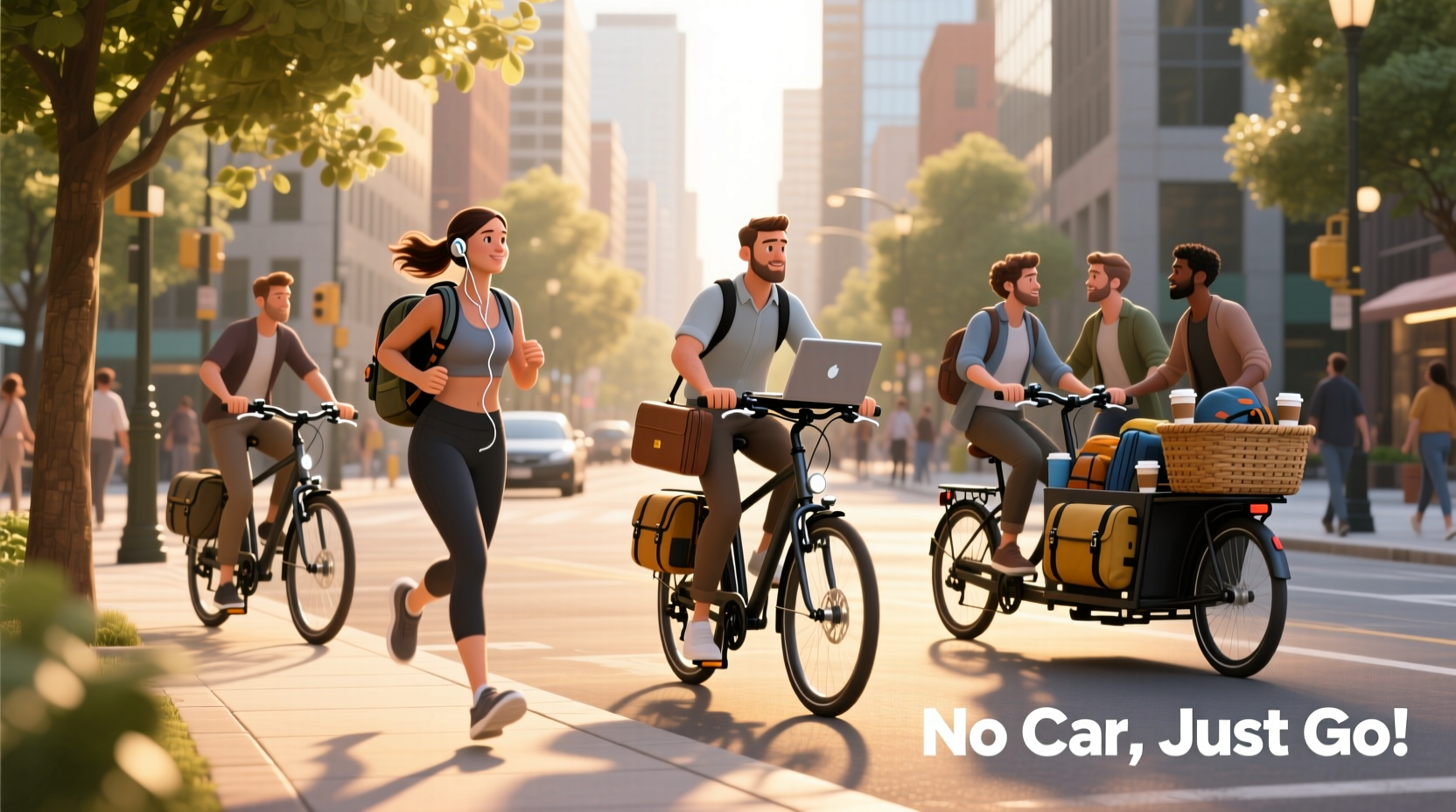
Cycling remains one of the most accessible and sustainable forms of non-car commuting. Whether you live five miles from your office or just two, a bike can be faster than driving during rush hour in many urban areas. Modern e-bikes have made longer distances manageable, even for those who don’t want to arrive sweaty or out of breath.
To maximize efficiency, plan your route using dedicated bike lanes or low-traffic streets. Apps like Komoot or Google Maps (in biking mode) can help identify safe paths. Consider investing in a quality lock, fenders, lights, and a pannier bag for carrying essentials.
For those concerned about safety, wearing high-visibility clothing and using front and rear lights—even during the day—can significantly reduce risk. Cities like Copenhagen and Amsterdam prove that with proper infrastructure, cycling becomes not just viable but preferable.
Public Transit Reimagined: Beyond the Bus and Train
While buses and subways are common alternatives, many people overlook how flexible and efficient public transportation systems have become. Real-time tracking apps, contactless payments, and improved service frequency have transformed the experience.
Consider combining transit modes: take a bus to a rail station, then walk the last mile. This multimodal approach often reduces total commute time and increases flexibility. Some employers even offer subsidized transit passes, making it financially smarter than driving.
“Cities that invest in integrated public transport see higher worker satisfaction and lower absenteeism.” — Dr. Lena Patel, Urban Mobility Researcher at MIT
If your local system feels unreliable, check if microtransit options exist—on-demand shuttles or vanpools that operate in specific zones. These services fill gaps where fixed-route transit falls short.
Walking with Intention: The Overlooked Commute
Walking is the simplest, zero-cost way to commute—yet it’s often dismissed unless the distance is under a mile. But with minor adjustments, walking farther is entirely feasible. Breaking your journey into segments helps: walk partway, hop on a tram, then walk again.
For those within three miles of their workplace, consider “half-walking” strategies. Park or disembark a stop early and walk the remainder. You’ll gain cardiovascular benefits, mental clarity, and reduced exposure to vehicle emissions.
Comfortable footwear is essential. Carry dress shoes in a lightweight backpack and switch upon arrival. Not only does this protect your joints, but it also keeps your professional attire pristine.
Step-by-Step Guide: Transitioning to a Walk-Centric Commute
- Map your current route and identify safe, well-lit sidewalks.
- Determine your comfortable walking distance (start with 15–20 minutes).
- Select a drop-off point near your destination (e.g., transit stop or bike share).
- Invest in weather-appropriate clothing and a durable backpack.
- Begin with three walking days per week, gradually increasing as stamina builds.
Car-Free Innovation: Ride-Sharing, Scooters, and Remote Work
New mobility solutions have expanded the definition of commuting. Electric scooters, for example, are ideal for bridging the “last-mile” gap between transit stops and offices. Companies like Lime and Bird operate in hundreds of cities, offering affordable rentals via smartphone apps.
Ridesharing isn’t limited to drivers—passenger-based carpools through platforms like Waze Carpool connect commuters heading in the same direction. Splitting costs and conversation makes the trip more enjoyable and economical.
Meanwhile, remote work has permanently altered commuting norms. Even hybrid models—working from home two or three days a week—can halve your transportation burden. Advocate for flexible arrangements if your role allows it; studies show productivity often improves.
| Alternative | Best For | Average Cost (per trip) | Key Benefit |
|---|---|---|---|
| Biking | Urban/suburban riders under 10 miles | $0–$2 (e-bike charging) | Health & cost savings |
| Public Transit | City dwellers with reliable service | $2–$5 | Reduced stress, no parking hassle |
| E-Scooters | Last-mile connections | $3–$6 | Fast, fun, minimal effort |
| Walking | Short-distance commuters | $0 | Zero emissions, full-body wellness |
| Remote Work | Knowledge workers | $0 | Time saved, better work-life balance |
Real Example: How Sarah Cut Her Commute Costs by 70%
Sarah, a graphic designer in Portland, Oregon, used to drive 12 miles each way to her downtown office. With gas, insurance, and parking, her monthly commute cost exceeded $400. After joining a city-sponsored “Car-Free Challenge,” she experimented with alternatives.
She began biking two days a week using a borrowed e-bike. On other days, she took the light rail, docking a mile from her office and finishing the trip on a rented scooter. She negotiated a hybrid schedule, working remotely Wednesdays and Fridays.
Within two months, Sarah reduced her transportation spending to under $120 monthly. Her fitness improved, and she reported feeling more alert during morning meetings. “I used to dread the drive,” she said. “Now I look forward to my scooter ride with a podcast.”
Checklist: Your 30-Day Car-Free Commute Plan
- ✅ Audit your current commute: time, cost, stress level
- ✅ Research local transit routes and schedules
- ✅ Test one alternative method for three consecutive days
- ✅ Invest in necessary gear (helmet, lock, transit card)
- ✅ Talk to HR about remote or flexible work options
- ✅ Join a local commuter group or app community
- ✅ Track your savings and energy levels weekly
Frequently Asked Questions
What if my area doesn’t have good public transit?
Even in less-served regions, solutions exist. Look into employer-sponsored vanpools, regional shuttle services, or forming a rideshare group with coworkers. Many rural communities now offer on-demand microtransit—check your municipal website.
How do I stay safe when biking or walking at night?
Wear reflective clothing, use bright front and rear lights, and stick to well-traveled, illuminated paths. Share your route with a friend or use a safety app that tracks your location in real time.
Can I realistically commute without a car in winter?
Absolutely—with preparation. Waterproof gear, studded tires for bikes, indoor storage for equipment, and layered clothing make cold-weather commuting manageable. Many cyclists find snow-covered roads less congested and more peaceful.
Conclusion: Rethink the Daily Grind
Commuting without a car isn’t just an eco-conscious choice—it’s a pathway to a healthier, more economical, and even more enjoyable start and end to your workday. Whether you embrace biking, optimize public transit, rediscover walking, or leverage new technologies, every car-free trip adds up.
The transition doesn’t require perfection. Start small: leave the car behind twice a week. Measure the impact on your wallet, mood, and time. Adjust as needed. Over time, you may find that giving up the driver’s seat gives you something far more valuable—freedom.




 浙公网安备
33010002000092号
浙公网安备
33010002000092号 浙B2-20120091-4
Comments
No comments yet. Why don't you start the discussion?