
Shoe boxes are more than just packaging—they’re versatile organizers waiting to be repurposed. When lined thoughtfully, they become durable, attractive storage units that protect contents and elevate the look of any space. Whether you're organizing craft supplies, office essentials, or seasonal accessories, lining a shoe box adds structure, prevents wear, and introduces a personalized touch. This guide explores innovative methods, materials, and techniques to transform ordinary shoe boxes into smart, long-lasting organizational tools.
Why Lining a Shoe Box Matters
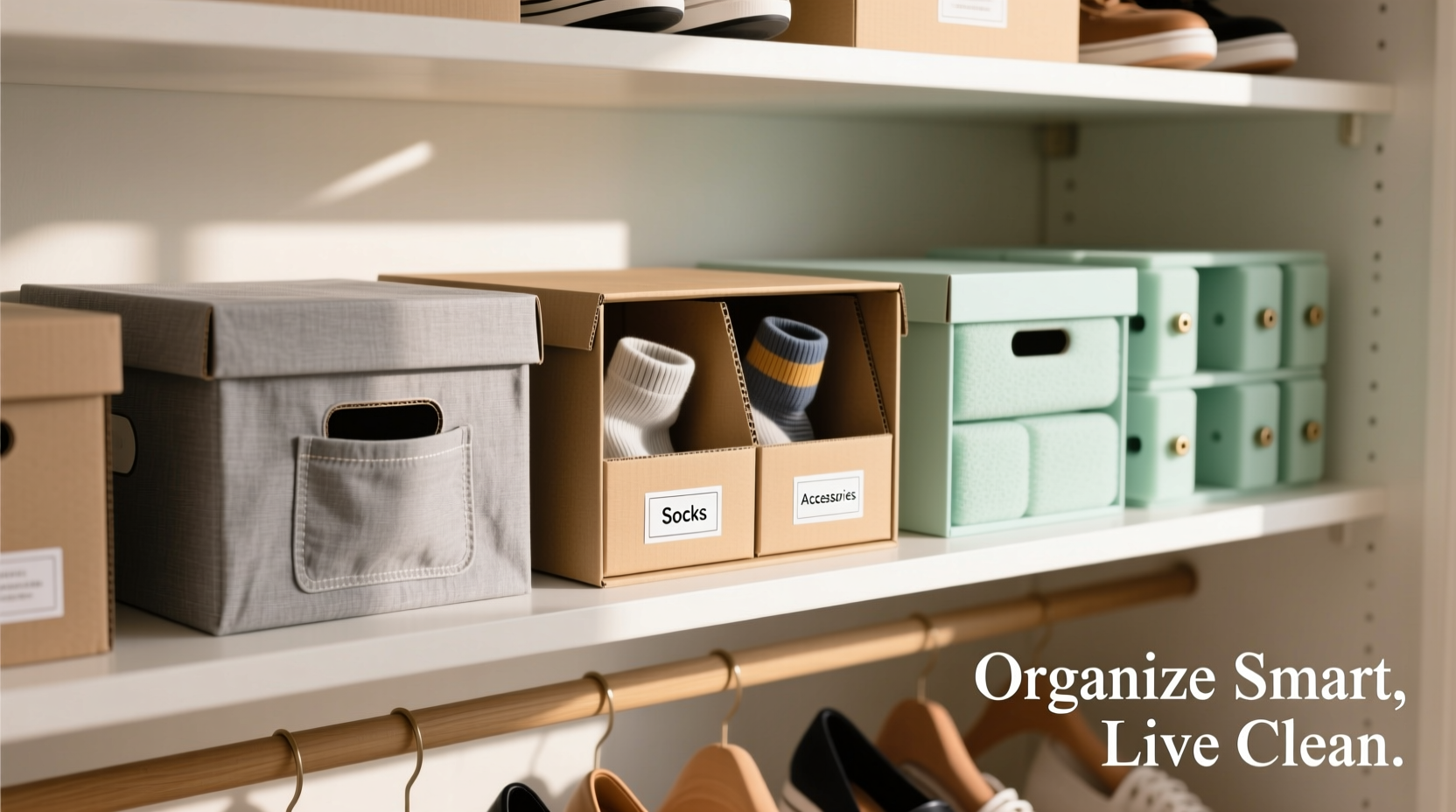
A raw cardboard box is prone to fraying, staining, and collapse under repeated use. Lining reinforces its interior, making it easier to clean, more resistant to moisture, and visually cohesive with your decor. A well-lined box also protects delicate items like jewelry, photographs, or fabric swatches from dust and abrasion.
Beyond function, lining offers aesthetic control. You can match drawer interiors in a dresser, coordinate with room colors, or create themed containers for gifting. The process is low-cost, requires minimal tools, and yields professional-looking results—ideal for renters, students, and minimalist households seeking clutter-free spaces.
Materials That Work Best for Lining
The right liner balances durability, appearance, and ease of application. Not all materials adhere cleanly to cardboard, so selection is key. Below is a comparison of common options based on availability, texture, and longevity.
| Material | Pros | Cons | Best For |
|---|---|---|---|
| Wrapping Paper | Inexpensive, wide design variety | Tears easily, not moisture-resistant | Short-term storage, gift boxes |
| Scrapbook Paper | Thicker than wrapping paper, acid-free options available | Limited size, may require seaming | Photo storage, keepsakes |
| Fabric (cotton, linen) | Durable, washable, soft texture | Requires adhesive and careful smoothing | Jewelry, sewing kits, nursery items |
| Contact Paper | Self-adhesive, wipeable, wide range of patterns | Can bubble if misapplied | Kitchen drawers, office supplies |
| Felt Sheets | Cushions contents, cuts easily, static-resistant | May shed fibers over time | Electronic accessories, toolkits |
“Lining transforms disposable packaging into archival-quality containers. It’s sustainability and style in one step.” — Lena Patel, Sustainable Home Organizer
Step-by-Step: How to Line a Shoe Box Like a Pro
Follow this timeline to achieve clean, crease-free results every time. Allow 15–20 minutes per box depending on complexity.
- Empty and clean the box: Remove labels, tape residue, and dust using a dry cloth. Flatten flaps if needed.
- Measure interior surfaces: Use a ruler to record height, width, and depth of the base and each side.
- Cut liner pieces: Add ½ inch to each dimension to allow for folding over edges. Cut base, front, back, and two sides separately for precision.
- Apply adhesive: Use double-sided tape for paper, or spray adhesive (in a ventilated area) for fabric. Avoid glue sticks—they wrinkle thin materials.
- Attach lining: Start with the base, then press side panels into place. Smooth out air bubbles with a credit card or squeegee tool.
- Wrap top edges: Fold excess liner over the rim and secure inside the lip. Trim corners at 45-degree angles for neat mitered finishes.
- Reinforce corners (optional): Add small strips of washi tape or ribbon for decorative edge protection.
Creative Themes and Real-World Applications
Custom lining turns uniform boxes into curated systems. Consider these real-life examples:
Mini Case Study: Artist’s Supply Cabinet
Maria, a watercolorist, uses lined shoe boxes to sort her pigments. She lines each with matching floral scrapbook paper and labels them by color family—earth tones, cool blues, vibrant reds. The coordinated interiors make selection intuitive, while the paper protects powders from smudging. After six months, none of the linings have peeled, thanks to acid-free glue and light handling.
Ideas to Inspire Your Project
- Office Desk Drawer System: Use striped contact paper to line boxes holding pens, sticky notes, and USB drives. Assign each a designated spot in a larger drawer.
- Child’s Toy Organizer: Line with cartoon-print fabric and label with picture tags for pre-readers.
- Seasonal Accessory Storage: Line winter hat boxes with plaid cotton and summer ones with tropical prints—store in closets for easy rotation.
- Gift Packaging Upgrade: Line a shoe box with luxe gold-flecked paper, add a satin ribbon, and fill with homemade cookies or bath salts.
Checklist: Preparing Your Lining Project
Before you begin, gather the following:
- ✓ Clean shoe boxes (flattened flaps preferred)
- ✓ Ruler or measuring tape
- ✓ Sharp scissors or rotary cutter
- ✓ Liner material (paper, fabric, contact paper)
- ✓ Adhesive (double-sided tape, spray glue, or Mod Podge)
- ✓ Smoothing tool (credit card or brayer)
- ✓ Pencil for marking measurements
- ✓ Optional: decorative trim, labels, corner protectors
Common Mistakes and How to Avoid Them
Even simple projects can go awry without attention to detail. Watch for these pitfalls:
- Using too much glue: Excess adhesive seeps through paper, causing warping. Apply in thin, even layers.
- Ignoring grain direction: Fabric and textured paper have a directional pattern. Align all pieces uniformly for a polished look.
- Skipping corner prep: Untrimmed corners create bulk. Mitering them ensures crisp edges.
- Choosing non-breathable liners for organic materials: Avoid plastic-based wraps when storing wool, photos, or documents—they can trap moisture and encourage mold.
Frequently Asked Questions
Can I wash a fabric-lined shoe box?
Spot-clean only. Submerging a cardboard box in water will cause it to warp and disintegrate. Use a damp cloth with mild soap to gently wipe fabric surfaces, then air-dry flat.
How do I remove old liner without damaging the box?
Peel slowly. If residue remains, use a dry rubber eraser or a small amount of rubbing alcohol on a cotton swab. Avoid soaking the cardboard.
Is it worth lining boxes I’ll only use once?
For gifting or short-term moves, consider partial lining—just the base and visible interior sides. It saves time while still enhancing presentation.
Final Thoughts and Next Steps
Repurposing shoe boxes through thoughtful lining is a small act with outsized impact. It reduces waste, enhances functionality, and reflects personal taste in everyday spaces. With accessible materials and straightforward techniques, anyone can turn what might be discarded into a tailored organizer that lasts for years.
Start with one box—perhaps for charging cables or spice packets—and refine your method. Once you see the improvement in both utility and appearance, you’ll likely find yourself saving every shoe box that comes through your door.




 浙公网安备
33010002000092号
浙公网安备
33010002000092号 浙B2-20120091-4
Comments
No comments yet. Why don't you start the discussion?