
In an era where remote work, digital platforms, and entrepreneurial thinking are reshaping the economy, the idea of earning a living outside the 9-to-5 structure is not only possible—it’s increasingly common. Millions of people worldwide now generate substantial income through non-traditional means, from online freelancing to creating digital assets that earn while they sleep. The key isn’t luck; it’s strategy, consistency, and knowing where to start.
This guide explores realistic, actionable methods to build income streams without stepping into a corporate office or committing to a fixed schedule. Whether you're looking for side hustle ideas or aiming to replace your full-time income, these approaches combine creativity with practicality to help you thrive on your own terms.
Freelance Your Skills Online
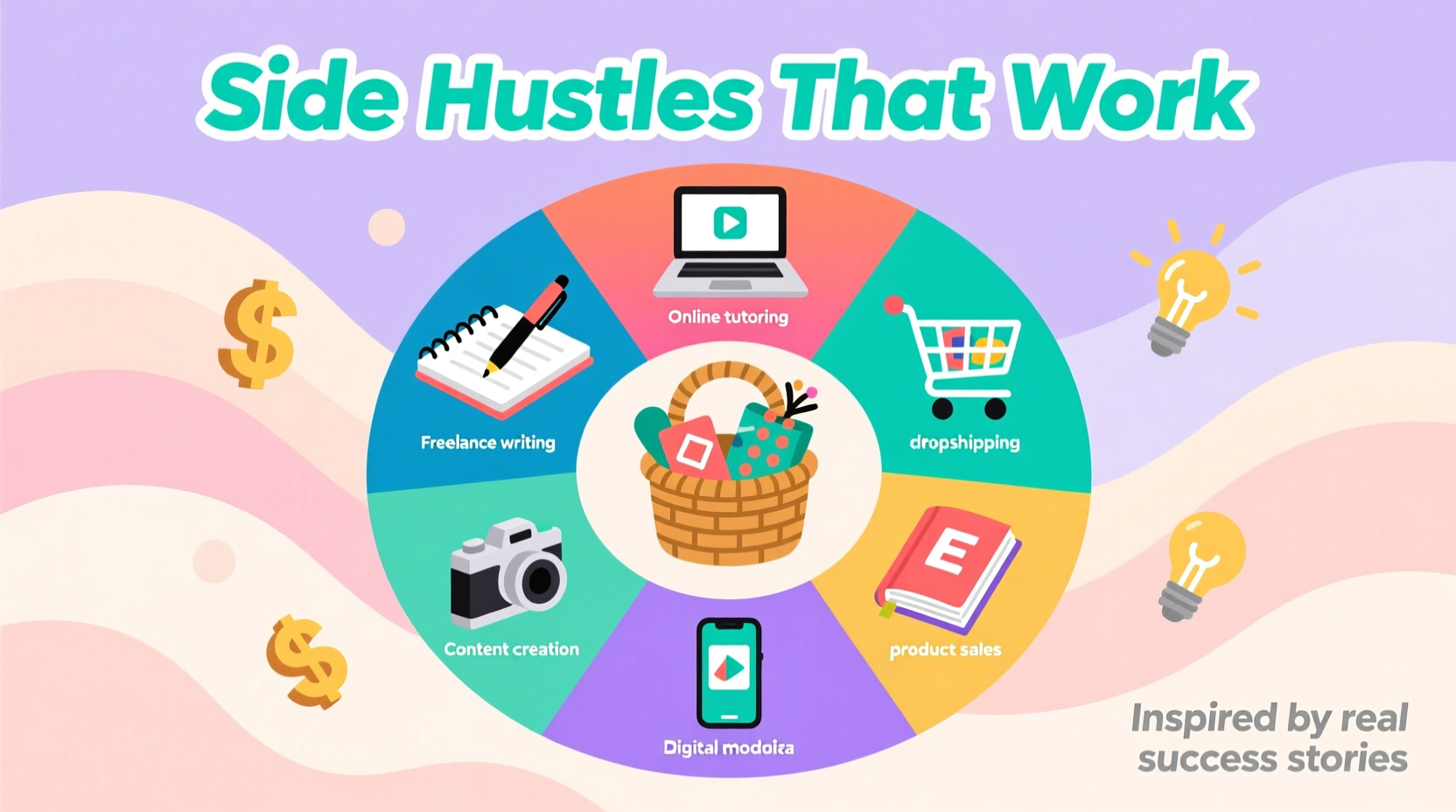
One of the most accessible paths to independent income is offering your skills as a freelancer. Platforms like Upwork, Fiverr, and Toptal connect skilled individuals with clients needing services in writing, design, programming, marketing, and more. The beauty of freelancing lies in its flexibility—you set your rates, choose your projects, and work when it suits you.
Start by identifying what you’re good at: copywriting, video editing, social media management, or even voiceover work. Then create a strong profile showcasing your expertise and past results. Many freelancers begin with small gigs to build credibility before scaling to higher-paying contracts.
Create and Sell Digital Products
Digital products offer one of the best returns on effort because they can be created once and sold repeatedly. Unlike physical goods, there’s no inventory, shipping, or manufacturing cost. Examples include e-books, printables, templates, stock photos, courses, and software tools.
For instance, a graphic designer can sell Canva templates for social media managers. A teacher might package lesson plans into downloadable PDFs. With platforms like Gumroad, Teachable, and Etsy, launching a digital product has never been easier.
“Digital products turn knowledge into assets. Once built, they scale infinitely.” — Sarah Chen, EdTech Entrepreneur
Step-by-Step Guide: Launching a Digital Product
- Identify a problem your audience faces (e.g., time management for freelancers).
- Choose a format (checklist, course, template pack).
- Create the product using free or low-cost tools (Google Docs, Canva, Notion).
- Set up a sales page on Gumroad or SendOwl.
- Promote via social media, email lists, or niche communities.
- Collect feedback and improve for version 2.
Monetize a Niche Audience
If you have a following—on Instagram, YouTube, TikTok, or even a blog—you already possess a valuable asset. Monetizing an audience doesn’t require millions of followers; micro-influencers with 5,000–50,000 engaged followers often outperform larger accounts in conversion rates.
Ways to monetize include sponsored posts, affiliate marketing, brand partnerships, and selling your own products or services. For example, a fitness enthusiast sharing home workouts on Instagram can earn commissions by promoting resistance bands or meal planning apps.
| Platform | Best For | Average Earnings (Per 10K Followers) |
|---|---|---|
| TikTok | Viral content, trends | $50–$200 per promo |
| YouTube | Educational videos | $3–$5 per 1,000 views (AdSense) |
| Lifestyle, fashion, fitness | $100–$500 per post | |
| Newsletter (Substack) | Expert insights | $500–$5,000/month (paid subs) |
Build Passive Income Streams
Passive income is the holy grail of financial independence—earning money with minimal ongoing effort. While no stream is truly “passive,” many require heavy upfront work followed by light maintenance.
- Affiliate websites: Build a content site around a niche (e.g., eco-friendly home products) and earn commissions when readers buy through your links.
- Print-on-demand: Design t-shirts, mugs, or posters and sell them via platforms like Redbubble or Printful without handling inventory.
- Stock photography: Upload high-quality images to Shutterstock or Adobe Stock and earn royalties every time someone licenses your photo.
- Automated dropshipping: Use tools like Shopify + Oberlo to run an e-commerce store where suppliers ship directly to customers.
Mini Case Study: From Side Hustle to Full-Time Income
Jamie, a former administrative assistant, started a blog reviewing productivity apps after noticing how overwhelmed remote workers were with tool overload. Over six months, she published detailed guides and comparison posts, optimizing each for search engines. She joined affiliate programs for tools like Notion and ClickUp.
By month nine, her site earned $1,200/month in passive affiliate income. She added a digital planner template sold through Gumroad, which brought in another $400/month. Within 18 months, Jamie replaced her salary and now works full-time managing her content network and two niche sites.
Offer Services with Low Entry Barriers
You don’t need a degree or certification to offer valuable services. Many high-demand gigs require only a laptop, internet connection, and willingness to learn quickly.
Examples include:
- Virtual assistant: Manage emails, schedule meetings, or handle customer service for busy entrepreneurs.
- Data entry: Input information for companies or researchers. Sites like Amazon Mechanical Turk offer micro-tasks.
- Transcription: Convert audio files into text. Tools like Otter.ai assist, but human editors are still needed for accuracy.
- Tutoring: Teach languages, math, or test prep via Zoom. Platforms like Wyzant or Preply handle bookings and payments.
Checklist: Getting Started with Online Services
- ✔ Identify your strongest skill or interest
- ✔ Research demand using Google Trends or freelance platforms
- ✔ Set competitive but fair pricing (start modestly)
- ✔ Create a simple portfolio (even sample work counts)
- ✔ Apply to 5–10 gigs per week consistently
- ✔ Ask for reviews after each completed job
FAQ
Do I need to pay taxes if I earn money online?
Yes. Any income earned—whether from freelancing, selling products, or affiliate marketing—is taxable in most countries. Keep records of earnings and expenses, and consider setting aside 25–30% for taxes if you're self-employed.
How long does it take to see real income from these methods?
It varies. Freelancing can generate income within weeks. Passive income models like blogs or digital products typically take 3–6 months to gain traction. Consistency and quality content accelerate results.
Can I do this while keeping my day job?
Absolutely. Most people start these ventures part-time. Dedicate 5–10 hours per week to build momentum. Once income stabilizes, you can transition fully if desired.
Conclusion
Making money without a traditional job isn’t about escaping responsibility—it’s about redefining how value is exchanged. The digital economy rewards initiative, creativity, and problem-solving. Whether you're designing templates, tutoring students online, or building a blog that earns while you sleep, the tools are available to anyone with internet access and determination.
The barrier isn’t opportunity; it’s action. Start small, stay consistent, and let your efforts compound over time. The future of work isn’t confined to offices or fixed schedules—it’s open, flexible, and waiting for you to claim your place.




 浙公网安备
33010002000092号
浙公网安备
33010002000092号 浙B2-20120091-4
Comments
No comments yet. Why don't you start the discussion?