
Living without a traditional closet doesn’t mean sacrificing style, functionality, or order. Whether you're in a studio apartment, a dorm room, or a minimalist home, organizing your clothes effectively is entirely possible—and even liberating. The key lies in rethinking storage, maximizing vertical space, and choosing systems that align with your lifestyle. With the right approach, you can create a wardrobe system that’s both accessible and visually pleasing, turning spatial limitations into design opportunities.
Assess Your Space and Clothing Needs
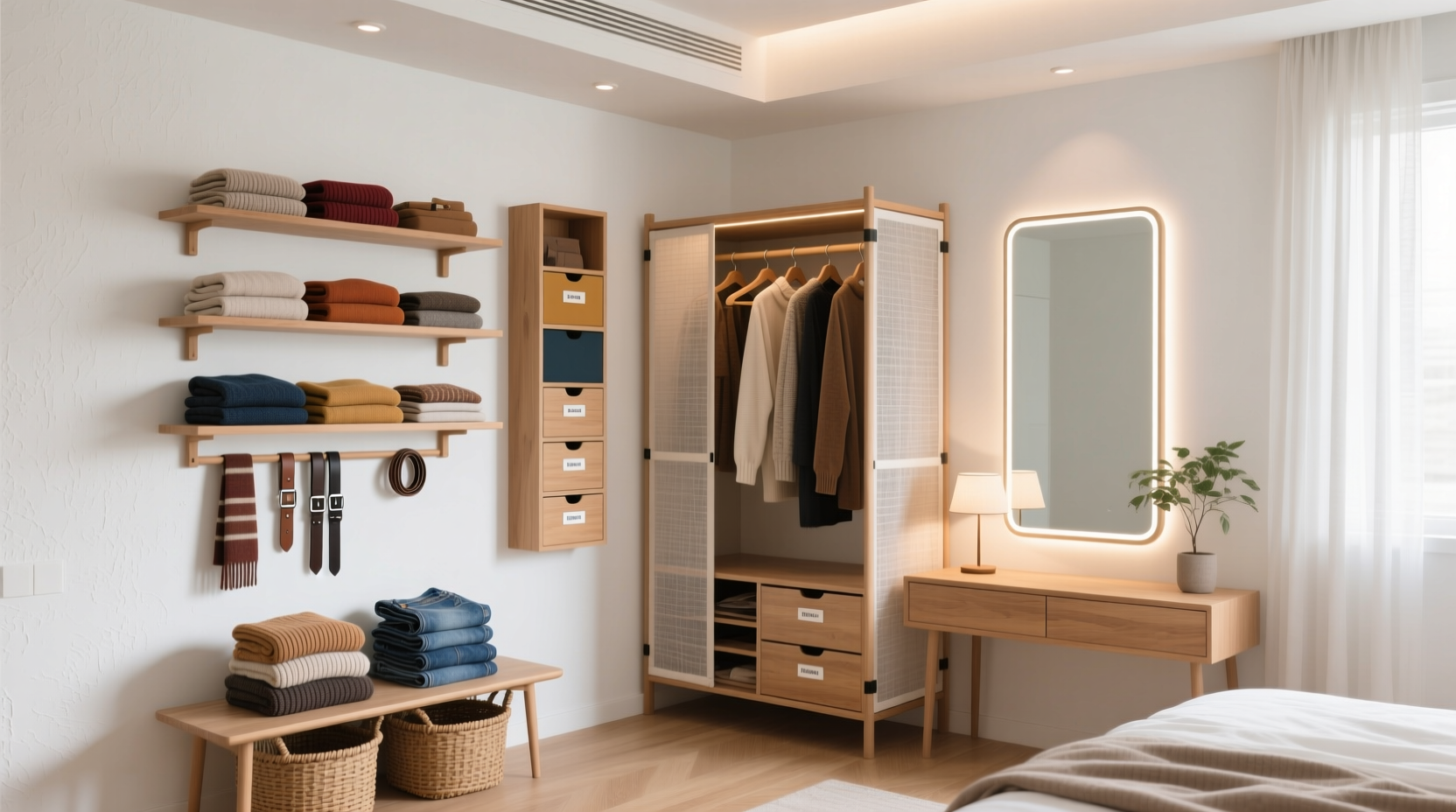
Before investing in storage solutions, take stock of what you have. Begin by evaluating your available floor and wall space. Measure the dimensions of your room and identify underused areas: behind doors, above door frames, or along narrow walls. Next, audit your clothing. Remove items you no longer wear or fit into. This step not only reduces clutter but also clarifies how much storage you truly need.
Consider categorizing garments by frequency of use: everyday essentials, seasonal pieces, and occasional wear. This hierarchy informs where and how you store each category. For instance, daily outfits should be easily accessible, while off-season clothes can go into compact, out-of-the-way containers.
Maximize Vertical and Multi-Functional Storage
When floor space is limited, look up. Vertical storage is one of the most effective strategies for organizing clothes without a closet. Freestanding garment racks, wall-mounted rails, and tall shelving units make excellent use of height. A simple metal or wooden rack can hold hanging clothes like shirts, dresses, and jackets, while leaving the floor beneath open for baskets or bins.
Furniture with built-in storage doubles as decor and utility. Consider an upholstered bench at the foot of your bed with internal compartments for folded sweaters or jeans. Ottomans with lift-up lids can store scarves, socks, or workout gear. Bookshelves aren’t just for books—designate sections for folded clothes, using uniform bins or fabric boxes to maintain visual harmony.
| Solution | Best For | Space Efficiency |
|---|---|---|
| Garment Rack | Hanging clothes, visible organization | ★★★★☆ |
| Under-Bed Storage | Off-season items, accessories | ★★★★★ |
| Foldable Wardrobe | Renters, temporary setups | ★★★☆☆ |
| Over-the-Door Organizer | Shoes, belts, small items | ★★★★☆ |
Smart Folding and Container Systems
Folding techniques can dramatically impact how efficiently clothes fit into drawers, shelves, or bins. The KonMari method—folding garments into compact rectangles that stand upright—allows you to see every item at a glance. This prevents the common issue of buried clothes and reduces rummaging.
Use clear or labeled bins for categories like underwear, gym wear, or pajamas. Fabric bins add softness to a room and are breathable, ideal for natural fibers. Avoid overpacking containers; leaving some space makes retrieval easier and helps preserve garment shape.
“Efficient folding isn’t just about saving space—it’s about creating a system where everything has a place and is instantly visible.” — Lena Torres, Home Organization Consultant
Step-by-Step Guide: Creating a No-Closet Wardrobe System
Follow this timeline to set up a functional, clutter-free clothing organization system in seven days:
- Day 1: Empty all clothing into one area. Sort into keep, donate, repair, and discard piles.
- Day 2: Deep clean the storage zone—wipe down shelves, vacuum under furniture, dust high corners.
- Day 3: Measure your space and sketch a layout. Identify zones: hanging, folding, accessories.
- Day 4: Purchase or assemble storage solutions (racks, bins, shelves) based on your plan.
- Day 5: Install wall-mounted organizers, over-door hooks, or rail systems.
- Day 6: Fold and sort clothes using the KonMari or file-fold method. Place in designated containers.
- Day 7: Hang frequently worn items. Label bins if needed. Step back and assess flow and accessibility.
Real-Life Example: Organizing a Studio Apartment Wardrobe
Take the case of Maya, a graphic designer living in a 400-square-foot studio in downtown Seattle. Her bedroom had no closet, only a single wall and a sliding door. She began by donating half her wardrobe, keeping only pieces she loved and wore regularly. She installed a slim, floor-to-ceiling pipe shelf in the corner—affordable, industrial-chic, and perfect for hanging blouses and pants.
Beneath it, she placed two rolling fabric bins: one for t-shirts, another for loungewear. A mirror with a built-in shelf held jewelry and hats. Over the bathroom door, she added a 12-pocket shoe organizer for accessories like gloves, chargers, and folded scarves. By using vertical layers and multi-use furniture, Maya transformed a cramped corner into a fully functional dressing area—without a single closet.
Do’s and Don’ts of Closet-Free Clothing Storage
- Do group similar items together for quick access.
- Do use labels or color-coding to maintain order.
- Do leave breathing room between stacked items to prevent wrinkles and mildew.
- Don’t stack heavy items on top of delicate fabrics.
- Don’t ignore lighting—add a small LED strip near your dressing area for clarity.
- Don’t let aesthetics overshadow function; beauty matters, but usability matters more.
Frequently Asked Questions
How do I keep clothes dust-free without a closet?
Use breathable fabric covers for garment racks or store folded clothes in lidded bins. Cotton or linen garment bags protect hanging items while allowing airflow. Avoid plastic, which traps moisture and can lead to mildew.
Can I organize a shared room without a closet?
Absolutely. Use divided storage: assign each person a specific rack, bin color, or shelf level. Establish shared zones for common items like towels or workout gear. Clear boundaries prevent confusion and maintain harmony.
What’s the cheapest way to organize clothes without a closet?
Start with what you already own—re-purpose suitcases, baskets, or bookshelves. Add inexpensive solutions like tension rods for hanging pants or adhesive hooks for robes. Dollar stores often carry useful bins and organizers.
Final Checklist: Building Your No-Closet System
- ✔ Audit and declutter your wardrobe
- ✔ Measure your available space
- ✔ Choose 2–3 primary storage types (e.g., rack + bins + shelf)
- ✔ Implement smart folding methods
- ✔ Label containers for easy identification
- ✔ Maintain the system with weekly tidying
Conclusion: Turn Constraints Into Creativity
Organizing clothes without a closet isn’t a compromise—it’s an invitation to innovate. By embracing flexibility, thoughtful design, and consistent habits, you can build a personalized system that enhances both order and enjoyment. A tidy space leads to a clearer mind and smoother mornings. Start small, stay intentional, and watch how a well-organized wardrobe transforms your entire living experience.




 浙公网安备
33010002000092号
浙公网安备
33010002000092号 浙B2-20120091-4
Comments
No comments yet. Why don't you start the discussion?