
Keys are essential, yet they’re often the most disorganized item in homes and bags. Fumbling through a tangled mess of metal every time you need to unlock a door or start your car is not only frustrating but also wastes valuable time. The solution lies in thoughtful organization—and one of the most effective, visually appealing strategies is using colorful keychains. By assigning distinct colors and styles to different sets of keys, you can streamline access, reduce clutter, and even make key management a fun part of your daily routine.
Color-coding isn’t just for classrooms or office filing systems—it’s a proven organizational method that leverages visual memory. When applied to keys, it transforms a mundane object into an intuitive system. Whether you're managing household keys, office access, car fobs, or bike locks, a strategic approach with vibrant keychains can bring clarity and efficiency to your life.
Why Color-Coding Works for Key Organization
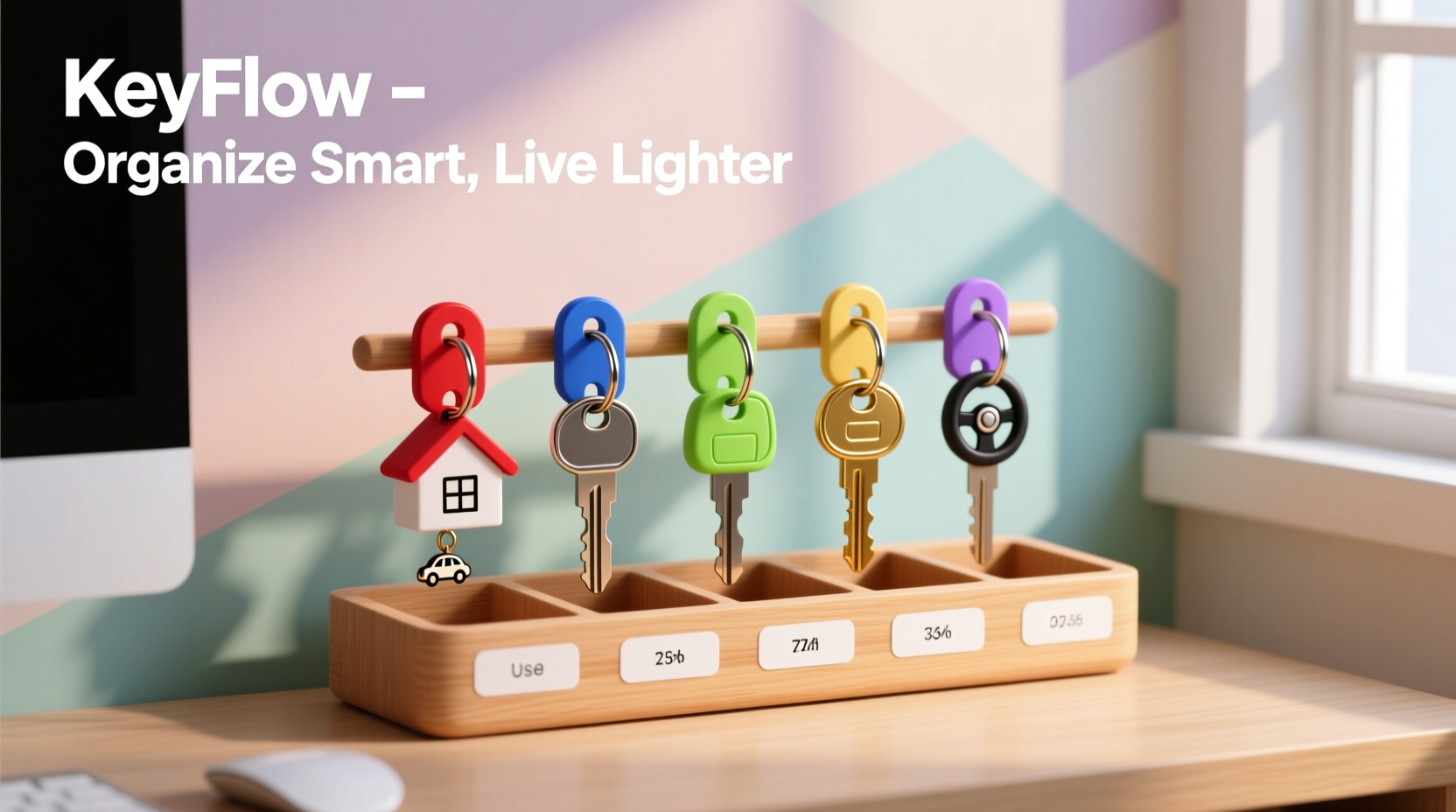
The human brain processes visual cues faster than text or memory recall. A red keychain stands out instantly among a set of silver keys, especially in low-light conditions like a dimly lit hallway or a crowded purse. This immediate recognition reduces decision fatigue and prevents mix-ups—especially critical when multiple people share keys in a household or workspace.
Color psychology also plays a role. Red can signal urgency (e.g., front door), green may represent outdoor access (garage or garden), and blue could denote personal items like a car or locker. Assigning meaning to colors creates a consistent mental map, making retrieval nearly automatic over time.
“Visual categorization cuts search time by up to 60% in everyday tasks. Color-coded systems turn chaos into order with minimal effort.” — Dr. Lena Torres, Cognitive Ergonomics Researcher
Step-by-Step Guide to Building Your Color-Coded Key System
Creating an efficient key organization system doesn’t require expensive tools or complex setups. Follow this step-by-step process to implement a personalized, color-based solution:
- Inventory Your Keys: Lay out all your keys and group them by function—home, work, car, storage unit, etc.
- Select Distinct Colors: Choose bright, easily distinguishable colors for each category. Avoid similar shades like navy and black.
- Assign Meaning to Each Color: Decide what each color represents. For example: Red = Main Door, Yellow = Car, Green = Garage, Purple = Office.
- Purchase Quality Keychains: Opt for durable, non-fading keyrings in your chosen colors. Consider materials like silicone, enamel, or metal with colored coating.
- Attach and Label: Clip each key set to its designated keychain. For added clarity, use mini engraved tags or lettered charms.
- Test and Adjust: Use the system for a week. If any color causes confusion, swap it out for a more intuitive one.
Creative Key Organization Ideas Using Colorful Keychains
Beyond basic color-coding, there are imaginative ways to enhance functionality and aesthetics. These ideas blend practicality with personality, ensuring your key system supports both efficiency and enjoyment.
- Theme-Based Keychains: Match keychains to seasons or holidays—pastels for spring, red and green for winter—to keep things fresh and festive.
- Family Role Assignment: Assign each family member a color. Mom gets pink, Dad gets navy, kids get yellow. Makes tracking who has which key easier.
- Travel Kit Separation: Use a bright orange keychain exclusively for travel-related keys (hotel, rental car, safe) so they’re instantly visible when packing.
- Mini Puzzle Keychains: Some colorful keychains double as puzzles or fidget toys. They’re fun to handle and stand out in a pile.
- DIY Beaded Keychains: Create custom chains using colored beads spelling initials or representing hobbies—great for gifts or personal use.
Real-Life Example: The Johnson Family's Key Chaos Fix
The Johnsons, a family of five in suburban Chicago, used to lose time every morning searching for car or school keys. With two teens driving and shared access to the garage, their key bowl was a jumbled mess. After implementing a color-coded system—blue for parents’ car, red for teen drivers, green for house, yellow for garage—they reduced morning prep time by 15 minutes. “Now I grab my blue ring without thinking,” says Mark Johnson. “It’s small, but it changed our whole routine.”
Do’s and Don’ts of Colorful Keychain Organization
| Do’s | Don’ts |
|---|---|
| Use high-contrast colors for better visibility | Use too many similar shades (e.g., light blue and gray) |
| Label keychains with small engraved tags | Overload one keychain with too many keys |
| Replace worn or faded keychains promptly | Use flimsy plastic rings that break easily |
| Involve household members in choosing colors | Change the system frequently without notice |
| Store keys on a dedicated hook or rack by color | Leave keys loose in pockets or bags |
Essential Checklist: Setting Up Your Color-Coded Key System
Checklist: Organize Your Keys with Color-Coded Keychains
- ✅ List all keys and group by purpose
- ✅ Choose 4–6 distinct, vibrant colors
- ✅ Buy durable, color-fast keychains
- ✅ Attach each key set to its assigned color
- ✅ Add small labels or symbols if needed
- ✅ Install a wall-mounted organizer by entryway
- ✅ Train family members on the system
- ✅ Review and refine after one week
Frequently Asked Questions
Can I use this system if I have limited color vision?
Absolutely. Pair colors with distinct shapes or textures—such as ridged, smooth, or star-shaped keychains. You can also use tactile labels or braille stickers to maintain accessibility while benefiting from visual organization.
What if I run out of colors for new keys?
Instead of adding more colors, consider subcategories. For example, use a red keychain with a small white charm for “spare house key.” Alternatively, rotate less-used keys to a secondary storage spot and keep only daily essentials color-coded.
Are silicone keychains better than metal ones?
Silicone offers flexibility, comfort, and vibrant color retention, making it ideal for frequent handling. Metal is more durable but can scratch surfaces or clink loudly. Many people use silicone for everyday keys and metal for backups or decorative purposes.
Upgrade Your Daily Routine with Intentional Design
Organizing keys with colorful keychains is more than a cosmetic upgrade—it’s a small act of intentional design that ripples through your day. When simple tasks become effortless, you reclaim focus and energy for what truly matters. Whether you live alone, manage a busy household, or oversee office access, a well-thought-out key system pays dividends in time, peace of mind, and reduced frustration.
The best systems are not only functional but sustainable. Choose quality materials, involve everyone who uses the keys, and allow room for adjustments. Over time, reaching for the right key becomes second nature—no thought, no delay, just smooth transitions between moments.




 浙公网安备
33010002000092号
浙公网安备
33010002000092号 浙B2-20120091-4
Comments
No comments yet. Why don't you start the discussion?