
In today’s fast-paced world, smartphones are essential tools for communication, navigation, photography, and productivity. Yet, one of the most common—and costly—accidents is dropping your phone. Whether you're commuting, hiking, or simply walking through a crowded space, a momentary slip can lead to shattered screens or internal damage. While cases and screen protectors help mitigate impact, they don’t prevent the fall itself. The best line of defense? A well-designed strap system that keeps your phone securely tethered to your body or hand. This guide explores creative and practical ways to secure your phone with a strap, blending functionality with style.
Why Phone Straps Are More Than Just Accessories
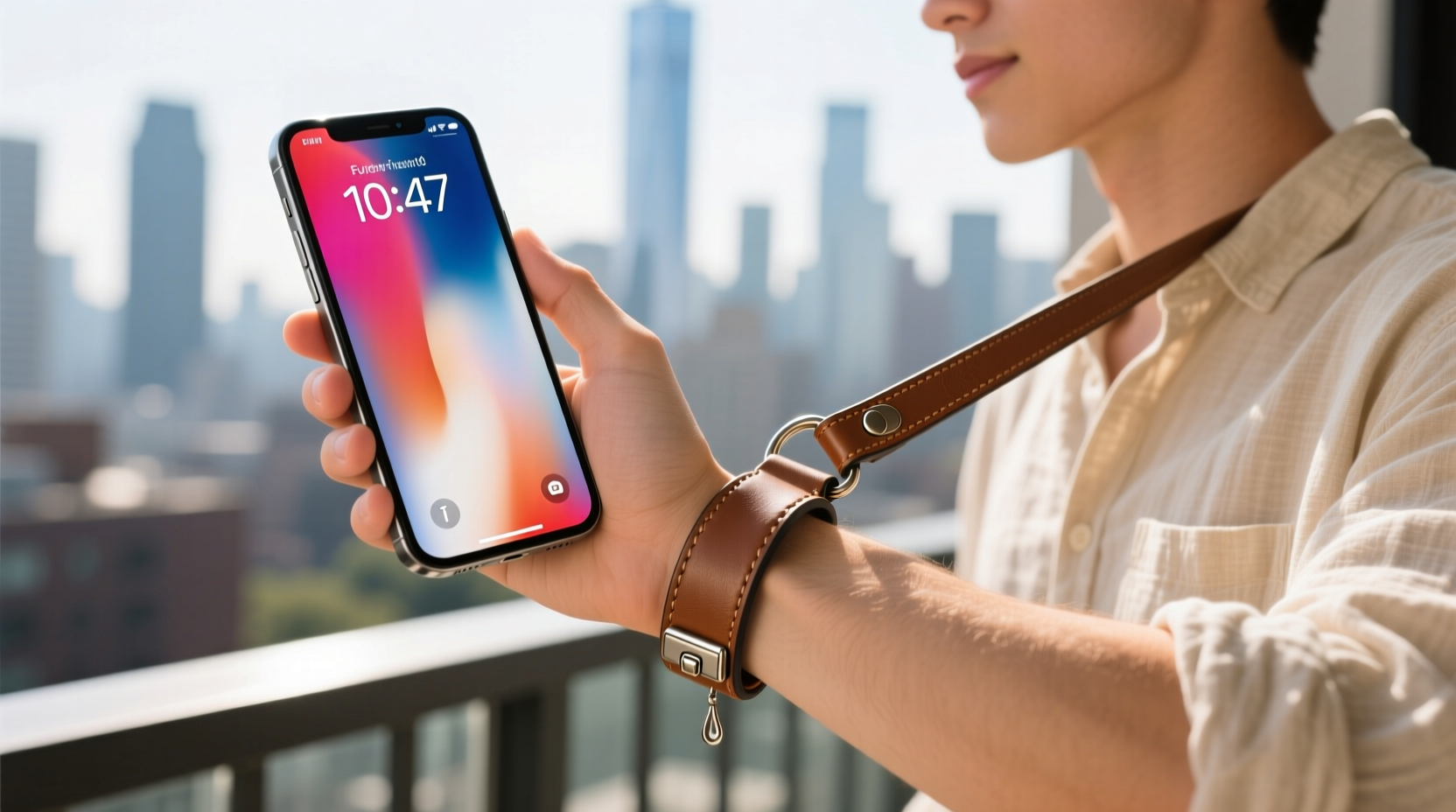
Many people view phone straps as decorative add-ons, but their real value lies in accident prevention. According to a 2023 consumer electronics report, over 70% of smartphone owners have dropped their device at least once, with nearly half experiencing multiple drops. Most incidents occur during transitions—pulling the phone from a pocket, handing it to someone, or using it one-handed while multitasking.
A properly secured strap acts as a physical backup. It doesn’t just reduce drop risk; it also frees up your hands when needed, making it ideal for travelers, parents, fitness enthusiasts, and outdoor adventurers. Beyond safety, modern straps integrate seamlessly into personal style, offering opportunities for customization and expression.
“An ounce of prevention is worth a pound of repair. A simple wrist strap can save you hundreds in screen replacements.” — Dr. Lena Torres, Mobile Device Ergonomics Researcher, MIT Media Lab
Types of Phone Straps and Their Best Uses
Not all straps serve the same purpose. Choosing the right type depends on your lifestyle, how you use your phone, and the level of mobility you need. Below is a breakdown of common strap types and their ideal applications:
| Strap Type | Best For | Limited Use Cases |
|---|---|---|
| Wrist Strap | Walking, commuting, quick access | Intensive workouts, swimming |
| Neck Strap | Travel, sightseeing, hands-free viewing | Sleeping, formal events |
| Finger Loop | One-handed typing, photo-taking | Bulky cases, gloves |
| Hand Grip + Strap Combo | Vlogging, gaming, extended use | Pocket storage, minimalist users |
| Detachable Lanyard | Events, conferences, rotating devices | Water activities, high humidity |
Step-by-Step: How to Choose and Install the Right Strap
Selecting and attaching a phone strap isn’t just about aesthetics—it’s about ensuring long-term reliability and comfort. Follow this sequence to get it right:
- Check Compatibility: Ensure your phone case has a built-in loop, lanyard hole, or MagSafe compatibility (for iPhones). If not, consider upgrading to a case designed for straps.
- Determine Primary Use: Will you be using it daily on the go, during workouts, or for photography? Match the strap type to your main activity.
- Measure Length: Wrist straps should allow room for movement without dangling. Neck straps should rest comfortably below the collarbone, not near the face.
- Secure Attachment: Use reinforced carabiners or knotless connectors. Avoid flimsy plastic clips that can snap under tension.
- Test in Low-Risk Settings: Wear the strap around the house first. Simulate reaching, bending, and pulling motions to ensure stability.
- Adjust for Comfort: Loosen or tighten based on clothing layers or seasonal wear. A strap that’s too tight can restrict circulation.
Creative DIY and Customization Ideas
For those who enjoy personalizing their gear, creating a custom strap adds both uniqueness and emotional attachment to your device. Here are several inventive approaches:
- Braided Paracord Straps: Durable and customizable in color, paracord can be braided into compact wrist loops. Include a hidden compartment inside the braid for emergency cash or a micro USB cable.
- Beaded Designs: Use lightweight ceramic or wooden beads to create a fashion-forward neck strap. Add initials or symbolic charms for a personalized touch.
- Recycled Materials: Repurpose old seatbelt webbing, leather scraps, or even bicycle inner tubes for eco-friendly, rugged straps.
- Magnetic Breakaway Connectors: Sew small magnets into fabric straps so they detach safely if snagged, reducing injury risk.
- LED-Embedded Straps: Ideal for nighttime runners, these include tiny battery-powered LEDs that make your phone visible in low light.
One designer in Portland, Oregon, began selling handwoven hemp phone lanyards at local markets after her third phone drop led to a $300 repair. “I wanted something that looked good, felt natural, and wouldn’t break,” she said. Her customers now include photographers, nurses, and delivery riders who rely on secure, breathable straps during long shifts.
Common Mistakes to Avoid When Using Phone Straps
Even the best strap can fail if used incorrectly. Steer clear of these frequent errors:
- Using Weak Attachment Points: Attaching a strap to a pop socket or unsecured ring can result in both the accessory and phone falling.
- Ignoring Weight Distribution: Heavy phones on thin neck straps can cause neck strain or sudden tugs.
- Overlooking Material Degradation: Nylon frays, rubber hardens, and metal corrodes. Inspect straps monthly for signs of wear.
- Blocking Ports or Buttons: Poorly positioned straps may interfere with charging, volume control, or camera use.
- Assuming All Straps Are Waterproof: Cotton or fabric straps absorb moisture and weaken over time. Opt for silicone or coated polyester in wet environments.
“Most strap failures I see aren’t due to poor design—they’re due to misuse. People attach them to weak points or forget to inspect them regularly.” — Marcus Lin, Product Safety Analyst at Consumer Tech Watch
FAQ: Your Phone Strap Questions Answered
Can I use a phone strap with any case?
No—not all cases support straps. Look for models with lanyard holes, integrated loops, or magnetic compatibility. Some brands like OtterBox, Spigen, and Native Union offer strap-ready designs. Alternatively, adhesive anchor plates can be added to most flat-back cases.
Are finger loops safe for large phones?
Yes, but only if properly sized. A loop should fit snugly around your index or middle finger without cutting off circulation. For phones larger than 6.5 inches, combine a loop with a palm grip for better balance and reduced strain.
Do straps interfere with wireless charging?
It depends. Wrist and neck straps usually don’t block charging if removed or loosely draped. Finger loops and rigid grips may need to be detached. Magnetic straps with metal components can disrupt charging efficiency—opt for non-metallic connectors when possible.
Final Checklist: Securing Your Phone Safely with a Strap
Before relying on your new setup, run through this checklist to ensure maximum protection:
- ✅ Confirm your phone or case has a secure attachment point (hole, loop, magnet)
- ✅ Choose a strap material suited to your environment (e.g., silicone for gym use)
- ✅ Test the strap under simulated stress (gentle tug, swing motion)
- ✅ Ensure buttons, ports, and cameras remain fully accessible
- ✅ Inspect the strap monthly for fraying, cracks, or loose connections
- ✅ Keep a spare strap in your bag or car for emergencies
Conclusion: Make Security Seamless and Stylish
Protecting your phone from drops doesn’t require bulky armor or sacrificing convenience. By integrating a thoughtfully chosen strap into your daily routine, you gain peace of mind, improved ergonomics, and even a dash of personality. Whether you opt for a sleek minimalist band or a rugged outdoor lanyard, the key is consistency and proper setup. Don’t wait until after a fall to take action—secure your device today and turn a simple strap into a powerful tool for smarter, safer tech use.




 浙公网安备
33010002000092号
浙公网安备
33010002000092号 浙B2-20120091-4
Comments
No comments yet. Why don't you start the discussion?