
For fans of the Star Wars universe, building block models offer more than just a pastime—they represent hours of focused creativity, storytelling, and personal achievement. Whether it’s a towering AT-AT walker, a sleek X-wing, or the intricate Millennium Falcon, these models are often too detailed and emotionally significant to be left exposed to dust, sunlight, or accidental knocks. Proper storage and protection not only preserve their condition but also honor the effort invested in assembling them. The challenge lies in balancing visibility with safety, accessibility with longevity.
Choose the Right Display Environment
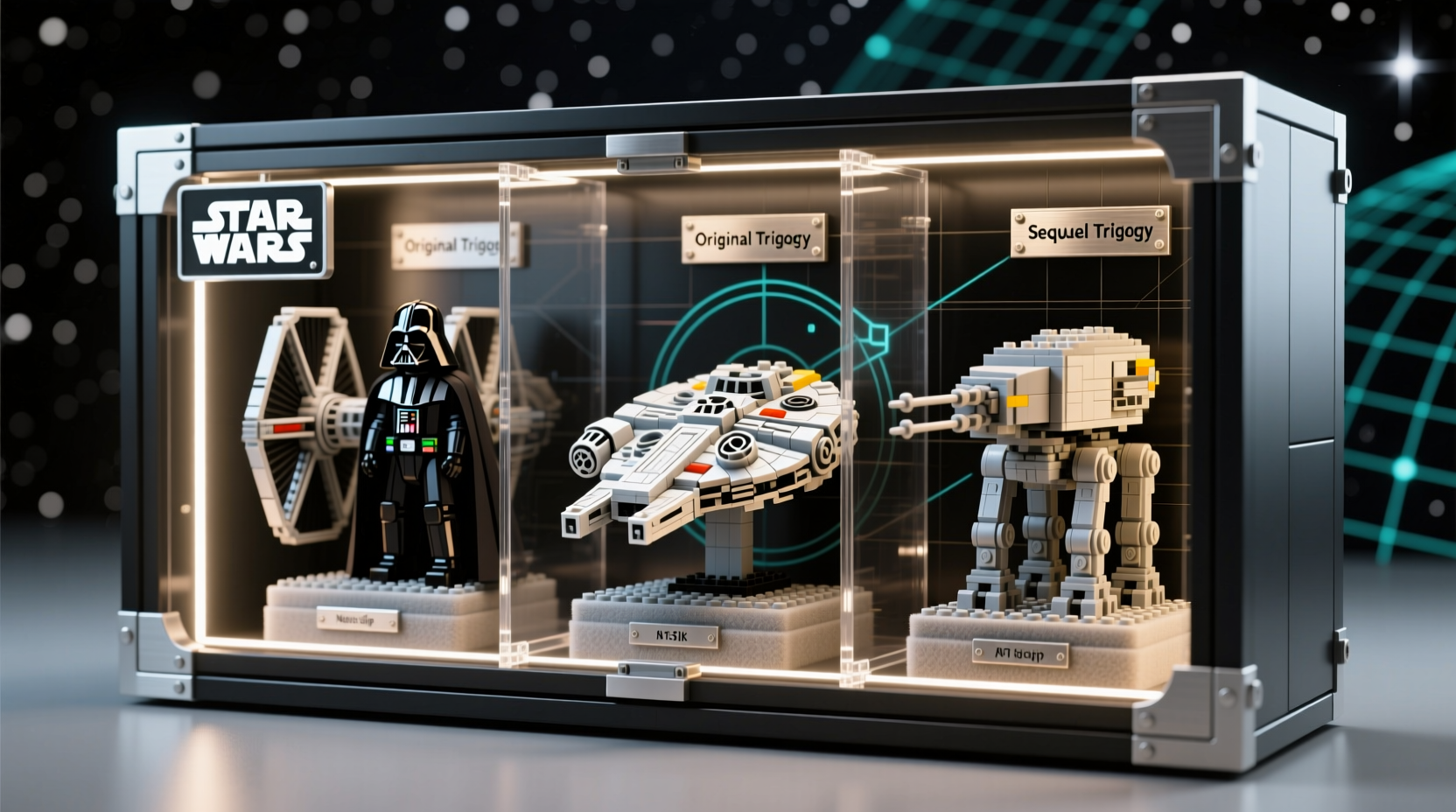
The location where you place your Star Wars models plays a crucial role in their long-term integrity. Direct sunlight is one of the biggest threats—UV rays can cause plastic bricks to fade, especially reds, oranges, and yellows. Over time, prolonged exposure leads to discoloration that diminishes visual impact and collectible value.
Temperature and humidity are equally important. Avoid placing models near radiators, air vents, or windows where temperature fluctuates. High humidity encourages dust accumulation and may degrade adhesives used in custom builds. A stable indoor climate between 68–72°F (20–22°C) with low humidity (40–50%) is ideal.
Invest in Protective Display Cases
One of the most effective ways to safeguard your builds is by using acrylic or polycarbonate display cases. These transparent enclosures shield models from dust, curious hands, and airborne pollutants while maintaining full visibility. Look for cases with removable tops or front-opening doors for easy access during cleaning or minor repairs.
Premium options include anti-reflective coating and UV-filtering materials, which enhance viewing clarity and prevent color degradation. For larger models like the UCS Millennium Falcon, modular display systems allow for expansion as your collection grows.
| Case Type | Best For | Limitations |
|---|---|---|
| Acrylic Box | Small to medium models (e.g., TIE Fighter, Yoda minifig) | Static; hard to modify once sealed |
| Modular Shelving Case | Large collections or growing displays | Higher cost; requires planning |
| Wall-Mounted Frame | Space-saving vertical display | Limited depth for bulky models |
| DIY Wooden Cabinet | Custom fits and integrated lighting | Requires craftsmanship |
Implement Smart Storage for Unbuilt Sets and Spare Parts
Not every model stays assembled forever. Some sets may be rotated out, stored for future gifting, or disassembled temporarily. Keeping original instruction booklets, extra pieces, and sealed bags organized prevents frustration later.
Use clear, labeled plastic bins with dividers to separate complete sets from spare parts. Vacuum-sealed bags help reduce volume for long-term box storage. For individual loose bricks, compartmentalized storage trays with lid locks prevent spills and make sorting easier.
“Collectors who maintain original packaging and documentation see up to 30% higher resale value over time.” — Daniel Reed, Toy Archivist & Collector Consultant
Step-by-Step Guide: Preparing a Model for Long-Term Storage
- Clean gently: Use a soft microfiber cloth to remove dust. For crevices, a can of compressed air works well without risking damage.
- Inspect connections: Check for loose joints or fragile sections. Reinforce critical areas with internal brick support if needed.
- Photograph the build: Take high-resolution images from multiple angles before storing. This helps with reassembly and serves as a digital backup.
- Wrap carefully: For transport or boxed storage, wrap the entire model in bubble wrap with large bubbles (avoid cling film, which can generate static).
- Store flat and elevated: Place in a sturdy container on a shelf—not on the floor—to avoid moisture and pressure damage.
Enhance Protection with Custom Solutions
Many enthusiasts go beyond off-the-shelf options by designing personalized storage systems. Magnetic backing panels allow small models to be mounted securely on walls without nails. 3D-printed baseplates with engraved labels add a professional touch and stabilize builds on uneven surfaces.
Some collectors integrate LED lighting into their display shelves to highlight key features—like cockpit glows or engine trails—while timers or motion sensors limit heat exposure. Smart cabinets with humidity sensors alert owners via smartphone when conditions become unfavorable.
Mini Case Study: The Rotating Display System
Mark T., a collector from Portland, owns over 40 Star Wars building block sets. With limited shelf space and two young children, he needed a way to showcase his favorite builds without risk of damage. His solution? A rotating monthly display system using three acrylic cases mounted on a lazy Susan turntable inside a glass cabinet.
Each month, he swaps out the displayed model, giving every piece spotlight time while keeping others protected. He keeps non-displayed sets in vacuum-sealed boxes under his bed, categorized by era (Prequel, Original, Sequel). This approach has preserved his collection for over seven years—with no fading, breakage, or missing parts.
Essential Do’s and Don’ts of Model Care
| Do’s | Don’ts |
|---|---|
| Store in a cool, dry, shaded area | Leave models in direct sunlight |
| Use display cases with ventilation | Seal models in airtight plastic (traps moisture) |
| Handle models by their sturdiest sections | Lift large builds by delicate wings or antennas |
| Dust regularly with soft tools | Use household cleaners or wet wipes |
| Keep spare parts sorted and labeled | Mix loose pieces from different sets |
Frequently Asked Questions
Can I use glass display cases instead of acrylic?
Yes, but acrylic is generally preferred. It’s lighter, less likely to shatter, and offers better UV resistance when treated. Glass can be heavier and riskier in homes with pets or children.
How do I clean a dusty LEGO model without damaging it?
Use a dry microfiber cloth for surface dust. For deeper cleaning, gently brush crevices with a soft toothbrush or use short bursts of compressed air. Never submerge a built model in water.
Is it worth insuring valuable Star Wars building block models?
If your collection includes rare or high-value sets (e.g., 75192 Millennium Falcon), consider adding them to a homeowner’s insurance rider or specialized collectibles policy. Documentation, photos, and purchase receipts will support any claim.
Final Checklist: Protecting Your Star Wars Builds
- ✅ Store all models away from direct sunlight
- ✅ Use protective display cases for permanent setups
- ✅ Keep original boxes and instructions for storage
- ✅ Organize spare parts with labeled containers
- ✅ Clean models gently and regularly
- ✅ Monitor room temperature and humidity levels
- ✅ Photograph completed builds for reference
- ✅ Rotate displays to reduce wear and refresh aesthetics
Conclusion
Your Star Wars building block models are more than toys—they’re testaments to imagination, patience, and fandom. By applying thoughtful storage techniques and proactive protection strategies, you ensure they remain vibrant and intact for years to come. Whether you're showcasing a single iconic build or curating an expansive galaxy of creations, the right care turns temporary projects into lasting legacies. Start organizing, sealing, and displaying with purpose today—because every Jedi deserves a safe temple for their artifacts.




 浙公网安备
33010002000092号
浙公网安备
33010002000092号 浙B2-20120091-4
Comments
No comments yet. Why don't you start the discussion?