
Keys are among the most frequently used personal items, yet they often end up in chaotic jumbles at the bottom of pockets, bags, or drawers. A simple keyring can do far more than just hold metal together—it can become a smart organizational tool when used thoughtfully. With a few strategic choices and creative approaches, you can transform your keyring from a basic accessory into a streamlined system that saves time, reduces stress, and keeps your essentials exactly where you need them.
Why Key Organization Matters
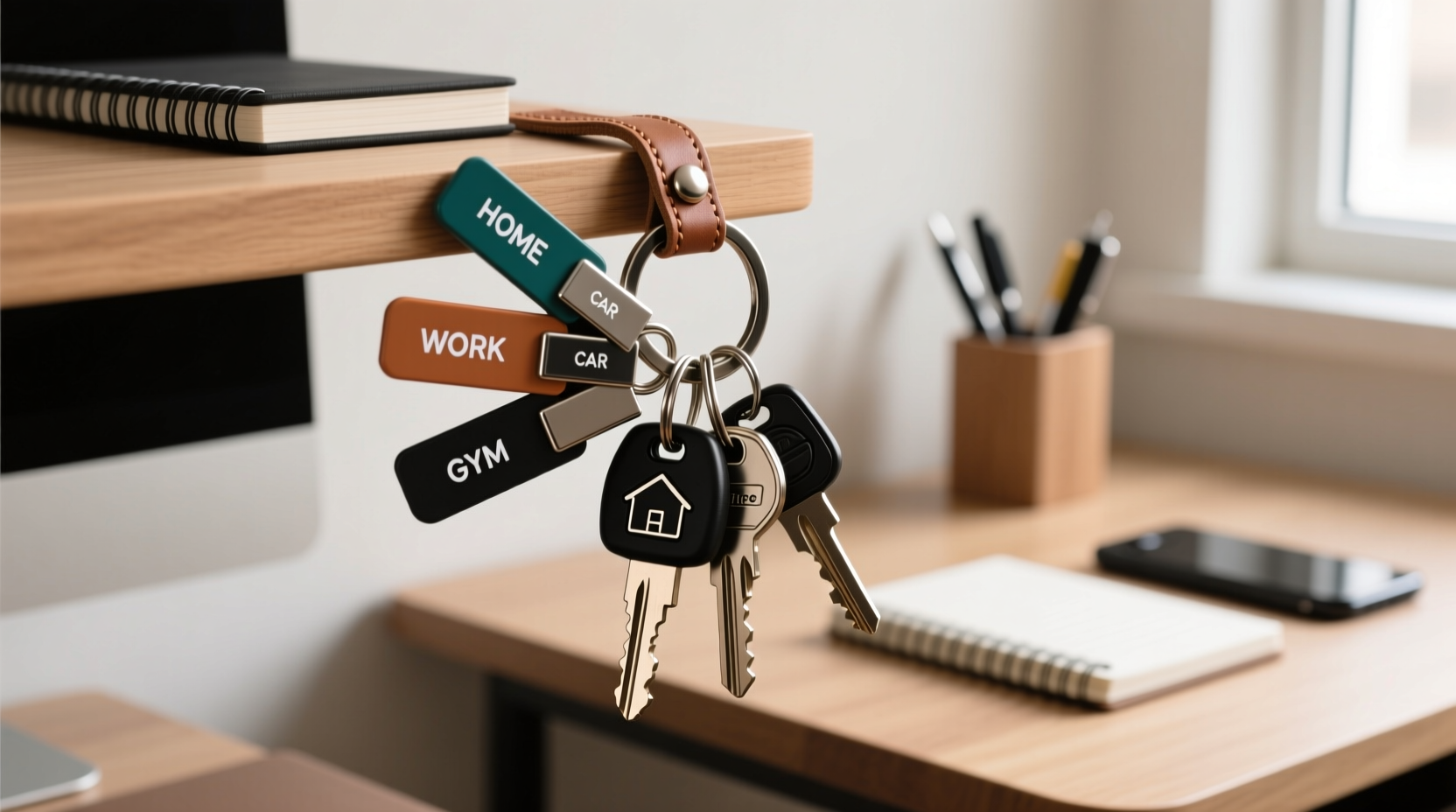
Misplacing keys is more than an annoyance—it can delay your morning routine, cause missed appointments, or even lead to costly lockouts. The average person spends nearly three days of their life searching for lost items, with keys topping the list. A well-organized keyring doesn’t just prevent frustration; it supports daily efficiency and mental clarity. By minimizing clutter and creating a logical structure, you make each interaction with your keys faster and more intuitive.
“Organization starts with the smallest tools. A well-managed keyring reflects a disciplined approach to everyday life.” — Jordan Lee, Productivity Consultant
Upgrade Your Keyring: Types That Work Smarter
Not all keyrings are created equal. Choosing the right base is the first step toward effective organization. Consider these options based on your needs:
| Type | Best For | Pros | Cons |
|---|---|---|---|
| Split Ring | Traditional key storage | Durable, widely available | Keys tangle easily |
| Key Clip (Carabiner) | Outdoor use, quick access | Attaches to belts, bags; sleek | Limited capacity |
| Rotating Key Holder | Multiple keys, ease of use | Keys spin freely; no fumbling | Slightly bulkier |
| Modular Key System | High customization | Expandable; color-coded | Higher cost |
| Folding Key Case | Minimalists, pocket carry | Compact; protects keys | Slower access |
Selecting the right type sets the foundation. For example, if you carry house, car, office, and bike keys, a rotating or modular system prevents tangling and makes individual keys easier to identify.
Color-Code and Label for Instant Recognition
One of the simplest yet most effective strategies is visual differentiation. Assign colors or labels to specific keys so you can grab the right one without looking. This is especially useful in low-light conditions or when wearing gloves.
- Use colored silicone key caps (red for home, blue for office, green for car).
- Add lettered tags with engraved identifiers like “GARAGE” or “SPARE.”
- Wrap electrical tape around the base of keys for temporary distinction.
This method is particularly helpful for families sharing a set of keys or individuals managing multiple properties. It eliminates guesswork and reduces the chance of taking the wrong key out the door.
A Real Example: Sarah’s Morning Routine
Sarah, a nurse working rotating shifts, used to waste precious minutes each morning untangling her keys. After switching to a rotating key holder with color-coded caps—purple for hospital, gray for home, yellow for her partner’s apartment—she cut her exit time by nearly two minutes. On busy mornings, that small gain means she can enjoy a full cup of coffee before heading out. Over a year, that adds up to over 12 extra hours regained.
Create Functional Key Groups
Instead of lumping all keys together, group them by function or location. This strategy reduces clutter and ensures you only carry what’s necessary.
- Home Set: Front door, back door, mailbox, garage.
- Work Set: Office entry, desk drawer, supply closet.
- Vehicle Set: Car, bike lock, storage unit.
- Emergency/Spare Set: Hidden spare key, safe deposit box.
Use separate compact keyrings or a multi-compartment case to keep these groups distinct. Attach only the relevant ring to your daily carry. This not only lightens your load but also enhances security—losing one ring won’t compromise all your access points.
Step-by-Step: Organizing Your Keys in 30 Minutes
Follow this timeline to overhaul your key situation efficiently:
- Minute 0–5: Empty all keys onto a clean surface. Remove broken or unused ones.
- Minute 5–10: Categorize keys into logical groups (home, work, vehicle, etc.).
- Minute 10–15: Choose appropriate keyrings for each group. Discard worn hardware.
- Minute 15–20: Add color codes or labels to each key or group.
- Minute 20–25: Test accessibility—can you find each key quickly?
- Minute 25–30: Store non-daily sets in a designated drawer or wall organizer.
Incorporate Multi-Functional Tools
Modern keyrings aren’t limited to holding keys—they can integrate tools that enhance utility. Consider adding compact, high-value accessories:
- Mini flashlight: Ideal for dark parking lots or power outages.
- Bottle opener: Handy for picnics or casual gatherings.
- USB drive: Store emergency contacts, medical info, or digital copies of IDs.
- Paracord wrap: Adds grip and doubles as emergency cordage.
These additions turn your keychain into a micro survival kit. Just be mindful of weight—too many extras can make pockets uncomfortable or damage bag linings.
Checklist: Optimize Your Keyring Today
- 🗹 Remove any keys you no longer use
- 🗹 Upgrade to a rotating or modular key holder
- 🗹 Color-code or label each key
- 🗹 Group keys by function or location
- 🗹 Limit daily carry to essential rings
- 🗹 Add one useful tool (e.g., mini light or USB)
- 🗹 Store spare sets securely at home
Common Mistakes to Avoid
Even with good intentions, poor habits can undermine your efforts. Steer clear of these pitfalls:
- Overloading: Too many keys strain the ring and make selection difficult.
- Ignoring wear: Bent rings or cracked tags can fail unexpectedly.
- No backups: Always have a spare key stored safely.
- Poor labeling: Using vague terms like “extra” instead of “Basement Door.”
Regular audits—every 3–6 months—help maintain order and relevance as your access needs change.
FAQ
Can I organize electronic keys like fobs on a keyring?
Absolutely. Use a soft-lined key pouch or a dedicated fob clip to prevent scratches. Avoid placing heavy metal keys directly against the fob’s casing, as impacts can damage internal circuitry.
How do I keep my keys quiet?
Excessive jingling can be annoying and draw unwanted attention. Use rubber silencers between keys, switch to a folding case, or opt for a leather key wallet to muffle noise.
Is it safe to carry all my keys together?
While convenient, carrying every key poses a security risk. If lost, someone could gain access to multiple locations. Limit daily carry to essentials and store backups separately.
Conclusion: Turn a Simple Tool Into a Daily Advantage
Your keyring is more than a metal loop—it’s a reflection of how you manage your daily life. With thoughtful organization, a bit of creativity, and consistent maintenance, you can eliminate one of the most common sources of friction in your routine. Whether you're rushing out the door or digging through your bag in the dark, a well-designed key system gives you confidence and control.




 浙公网安备
33010002000092号
浙公网安备
33010002000092号 浙B2-20120091-4
Comments
No comments yet. Why don't you start the discussion?