
Car keys are among the most frequently used personal items, yet they often get tossed into pockets, bags, or bowls without much thought. Over time, this leads to lost fobs, scratched surfaces, or damaged key rings. A key bag—a small pouch designed to hold keys—can protect your keys while adding organization and style. But how do you securely and creatively attach it so it’s always within reach? The solution lies in balancing accessibility, durability, and aesthetics.
Whether you're a commuter, parent, or frequent traveler, having your keys instantly available can save time and reduce stress. This guide explores practical, tested methods to integrate a key bag into your daily routine with confidence and ease.
Why Use a Key Bag?
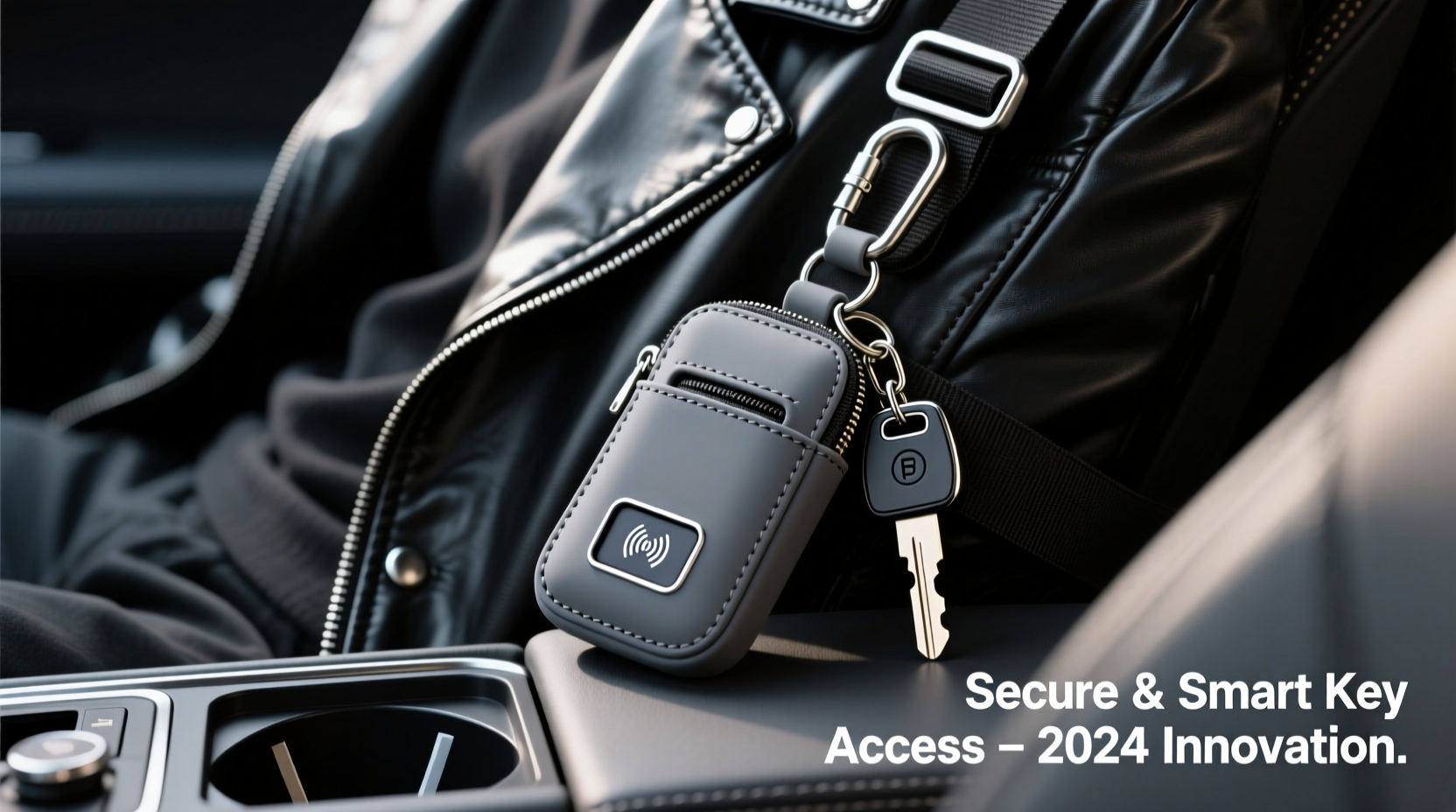
A key bag serves more than just a decorative purpose. It protects key fobs from scratches, dust, and moisture. It also reduces noise when keys clink together and prevents accidental activation of remote buttons. Most importantly, attaching it correctly ensures it stays with you—no more misplacing keys at home or during travel.
However, simply slipping a key bag onto a standard key ring may not be enough. Poor attachment can lead to detachment, loss, or damage. That’s why choosing the right method matters as much as the bag itself.
Creative & Secure Attachment Methods
1. Split Ring + Carabiner Combo
One of the most reliable setups combines a heavy-duty split ring with a mini carabiner. Slide your keys onto the split ring first, then clip the key bag to the carabiner. This allows the bag to hang separately, reducing strain on stitching and giving quick access.
2. Lanyard Integration with Breakaway Clip
For those who want their key bag always accessible, a lanyard system works well. Attach the key bag to a retractable or fixed-length lanyard using a breakaway safety clip. These clips release under sudden pressure, preventing choking hazards or snags.
This method is ideal for warehouse workers, delivery personnel, or parents juggling strollers and bags. The breakaway feature adds peace of mind without compromising daily usability.
3. Magnetic Snap Closure with Steel Plate Insert
Incorporate magnetism into your setup by selecting a key bag with a built-in magnetic snap. Pair it with a thin steel plate attached to your key fob or keychain. When clipped together, the connection is strong yet easily detachable with one hand.
Magnetic systems offer sleek functionality and are popular among minimalist users. Just ensure the magnets are strong enough (neodymium recommended) to withstand daily movement.
4. Paracord Loop with Knot Lock
A DIY favorite, paracord loops add ruggedness and customization. Wrap durable paracord around your key bag’s attachment point and tie it off with a secure knot like a double fisherman’s or constrictor knot. You can even weave patterns for visual appeal.
Beyond looks, paracord offers tensile strength up to 550 pounds, making it highly resistant to snapping. If needed, the cord can also serve as an emergency tool.
5. Elastic Silencer Band with Integrated Pouch
Some users prefer low-profile solutions. An elastic band wrapped around the key stack holds everything tightly and reduces noise. Modern versions come with a stitched-in micro-pouch that acts as a mini key bag.
This hybrid approach keeps keys compact while offering storage for a tiny USB drive, house key, or emergency cash. Ideal for runners or cyclists who dislike dangling accessories.
Comparison Table: Attachment Methods at a Glance
| Method | Security Level | Accessibility | Best For |
|---|---|---|---|
| Split Ring + Carabiner | High | High | Daily drivers, urban commuters |
| Lanyard + Breakaway Clip | Medium-High | Very High | Active professionals, parents |
| Magnetic Snap | Medium | Very High | Minimalists, tech users |
| Paracord Loop | High | Medium | Outdoor enthusiasts, DIYers |
| Elastic Band with Pouch | Medium | High | Athletes, travelers |
Step-by-Step Guide: Installing a Key Bag with Maximum Security
- Choose the right key bag: Ensure it has a sturdy metal D-ring, reinforced stitching, or a dedicated clip-on point.
- Select your attachment method: Based on lifestyle—carabiner for versatility, lanyard for constant access, etc. <3> Test compatibility: Make sure the attachment fits over your existing keyring or allows reorganization.
- Organize keys efficiently: Place heaviest or most-used keys closest to the attachment point to balance weight.
- Add redundancy: Use a secondary tether (e.g., silicone loop or micro-cable) between the key bag and main ring for backup.
- Inspect monthly: Check for wear on cords, clips, or fabric—replace before failure occurs.
Real Example: How Sarah Prevented Key Loss During Travel
Sarah, a freelance photographer, frequently travels with camera gear and multiple sets of keys. On a trip to Tokyo, she misplaced her rental car key because it was buried in her tote. After returning home, she adopted a leather key bag with a titanium carabiner clipped directly to her belt loop.
The change was immediate. Her keys were visible and reachable at all times. Even when rushing through airports or setting up shoots, she never had to dig through bags. Six months later, she added a red paracord lanyard as a secondary tether—“just in case.” That precaution paid off when the carabiner briefly unclipped during a crowded train ride. The lanyard held firm, and her keys stayed safe.
Expert Insight
“Secure key management starts with intentional design. A key bag should enhance—not hinder—your workflow. Always prioritize attachment integrity over aesthetics.” — Marcus Tran, Industrial Design Consultant and EDC Specialist
Checklist: Secure Key Bag Setup
- ☑ Assess your daily routine and access needs
- ☑ Choose a durable key bag with reinforced anchor points
- ☑ Select an attachment method matching your activity level
- ☑ Test pull strength and ease of removal
- ☑ Add a secondary safety tether if high mobility is involved
- ☑ Mark spare keys clearly inside the bag
- ☑ Inspect monthly for signs of wear
Frequently Asked Questions
Can I use a key bag with smart keys or push-to-start fobs?
Yes, but choose a key bag made with RFID-blocking material if privacy is a concern. Also, ensure the bag allows easy button access for unlocking or starting your vehicle. Some models feature cutouts or soft-touch panels for seamless operation.
Will a key bag interfere with my phone or wallet in the same pocket?
Not if properly sized. Opt for slim, flat-profile key bags under 3 inches wide. Position the bag vertically in your pocket with the attachment facing upward to minimize bulk and friction against other items.
How do I clean a key bag that gets dirty from daily use?
For fabric bags, spot-clean with mild soap and a soft cloth. Leather versions benefit from occasional conditioning with a non-greasy cream. Always remove keys first and let the bag air dry—never machine wash unless specified by the manufacturer.
Final Thoughts: Make Your Keys Work for You
Attaching a key bag isn’t just about protection—it’s about designing a system that aligns with how you live. Whether you’re dashing out the door with kids in tow or navigating a busy workday, knowing your keys are secure and instantly accessible reduces mental load and increases efficiency.
The best solutions blend creativity with practicality: a carabiner for speed, paracord for resilience, or a magnetic snap for elegance. Whatever method you choose, consistency in maintenance and attention to detail will ensure long-term reliability.




 浙公网安备
33010002000092号
浙公网安备
33010002000092号 浙B2-20120091-4
Comments
No comments yet. Why don't you start the discussion?