
Building a Disney LEGO castle is more than just assembling plastic bricks—it’s an artistic achievement, a tribute to imagination, and often a labor of love spanning hours or even weeks. Once completed, the natural instinct is to share it proudly. But how do you display such a detailed creation without risking damage, dust accumulation, or accidental toppling? The answer lies in combining creativity with structural security. Whether you’re showcasing a Hogwarts Castle, Cinderella’s Royal Palace, or a custom Disney-inspired design, thoughtful presentation enhances both visual impact and longevity.
Choose the Right Display Environment
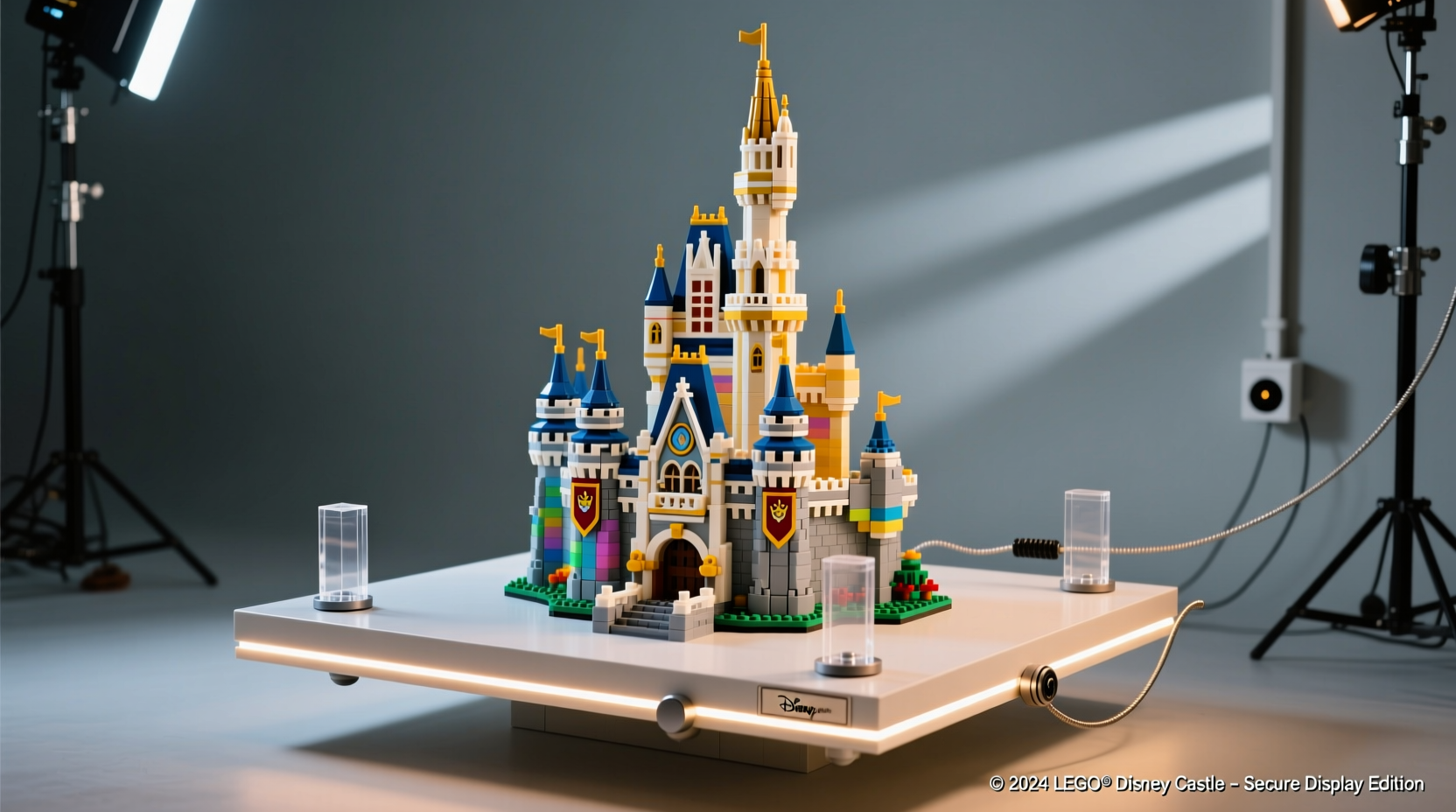
The location where you place your LEGO castle sets the foundation for long-term preservation. Avoid areas with high foot traffic, direct sunlight, or fluctuating humidity. Sunlight can fade LEGO colors over time, especially reds and yellows, while moisture may encourage mold growth on dust-covered surfaces. Ideal spots include interior shelves away from windows, glass display cabinets, or dedicated hobby rooms with stable temperatures.
Avoid These Common Placement Mistakes
- Placing near radiators or air vents that cause temperature shifts
- Sitting directly on carpeted floors where static attracts dust
- Near kitchens or bathrooms with steam and grease exposure
- In children’s playrooms without protective barriers
Secure the Structure for Stability
No matter how impressive your castle looks, instability undermines both safety and confidence in display. LEGO sets are engineered for durability, but large builds—especially vertical ones like towers and spires—are vulnerable to tipping if not properly anchored.
Use clear silicone adhesive dots or museum putty under baseplates to gently affix the model to its platform. These materials provide grip without damaging bricks and can be removed cleanly when needed. For permanent displays, consider using internal reinforcement with Technic pins or metal rods inside central towers to prevent sagging or collapse over time.
“Even the most meticulously built models need structural support beyond their original design—especially pieces over 3 feet tall.” — Daniel Reyes, LEGO Master Builder & Exhibit Designer
Step-by-Step: Reinforce Your Castle Safely
- Disassemble non-critical sections (e.g., flags, decorative turrets) to access internal spaces.
- Insert LEGO Technic rods or compatible carbon fiber rods into central columns for added rigidity.
- Reattach outer panels securely, ensuring no stress points remain.
- Apply small dabs of museum putty beneath the baseplate corners.
- Press firmly onto a flat, level surface and allow 24 hours for adhesion.
Creative Display Ideas That Impress
Displaying your Disney LEGO castle shouldn’t stop at placing it on a shelf. Elevate the experience by incorporating storytelling elements, lighting, and themed surroundings.
One effective method is creating a diorama base. Use foam board, paint, and artificial foliage to build a miniature landscape around the castle—add tiny trees, a moat made from resin, or even micro-figure visitors. This transforms your model from a standalone piece into a narrative scene.
LED lighting dramatically enhances visual appeal. Install warm-white micro-LED strips along battlements, inside windows, or beneath bridges. Battery-powered puck lights placed below the display offer soft ambient glow without cluttering cords.
| Display Feature | Benefit | Budget-Friendly Option |
|---|---|---|
| Diorama Base | Adds depth and context | Foam core + green felt + craft store miniatures |
| Internal Lighting | Highlights details, creates magic | USB-rechargeable fairy lights ($10 kits) |
| Rotating Platform | Allows 360° viewing | Lazy Susan bearing from hardware store |
| Custom Acrylic Cover | Dust protection + modern look | Repurpose old picture frame acrylic sheet |
Protect It Without Hiding It
Preservation doesn’t mean locking your castle in a case forever. However, smart protection ensures it remains pristine for years. A clear acrylic display case is one of the most effective solutions. You can purchase modular cases online or commission a custom-fit box with front-opening doors for easy access during cleaning.
If a full enclosure feels too restrictive, use a removable dust cover made from breathable fabric. Cotton or muslin works well—simply drape it over the model when not in view. Avoid plastic bags, which trap moisture and promote static cling.
Do’s and Don’ts of LEGO Preservation
| Do | Don’t |
|---|---|
| Use museum putty for gentle anchoring | Glue bricks permanently unless it’s a final art piece |
| Store extra parts in labeled bags nearby | Leave loose pieces exposed where they can be lost |
| Photograph your build from all angles | Assume you’ll remember assembly details later |
| Label your display with set name and build date | Forget to document your creative process |
Real Example: How One Fan Transformed Her Living Room Corner
Sophia M., a schoolteacher from Portland, spent three months building the 4,080-piece Disney Castle (set 40478). After completion, she initially placed it on a bookshelf, only to find dust settling within days and her cat batting at the flagpoles.
She upgraded her setup by building a wooden platform painted to resemble cobblestone, adding battery-powered string lights around the base, and installing a rotating turntable salvaged from a thrift store lazy Susan. She then ordered a laser-cut acrylic case with a hinged front panel. Now, her castle sits as a centerpiece during holidays and family gatherings, admired but untouched. “It feels like having a real exhibit at home,” she says. “People always ask if it’s for sale—until I tell them how much time went into it.”
Essential Checklist Before Finalizing Your Display
- ✅ Ensure the baseplate is fully secured to a stable surface
- ✅ Test LED lights before final placement
- ✅ Confirm the surrounding area is low-traffic and pet-safe
- ✅ Take high-resolution photos of your finished build
- ✅ Label spare parts bag and store it with instructions
- ✅ Install a dust cover or enclosure if not using a sealed case
- ✅ Share your creation online with proper credit to inspire others
Frequently Asked Questions
Can I glue my LEGO castle together permanently?
You can, but it’s generally not recommended unless it’s purely decorative and will never be disassembled. If you choose to glue, use a plastic-compatible adhesive like PVC cement applied sparingly to internal joints. Never use super glue, as it can cloud bricks and make future repairs impossible.
How do I prevent my castle from getting dusty?
The best defense is a physical barrier. Use a custom acrylic case or a breathable fabric cover when not displaying. For open displays, lightly dust weekly with a soft makeup brush or compressed air canister held upright to avoid propellant residue.
Is it safe to hang a LEGO model on the wall?
Only if it’s specifically designed for vertical mounting, like some modular buildings. Most Disney castles are top-heavy and unsuitable for hanging. If you must mount it, reinforce the back with a wooden backing plate and use heavy-duty wall anchors rated for at least triple the model’s weight.
Final Thoughts: Celebrate Your Creation the Right Way
Your Disney LEGO castle deserves more than a corner shelf—it deserves recognition as a crafted work of art. By blending imaginative presentation with practical safeguards, you honor both the effort invested and the joy it brings. From strategic lighting to subtle reinforcements, every detail contributes to a display that’s as durable as it is dazzling.




 浙公网安备
33010002000092号
浙公网安备
33010002000092号 浙B2-20120091-4
Comments
No comments yet. Why don't you start the discussion?