
Dog tags are essential for pet safety, offering quick identification if a dog becomes lost. While traditionally attached to collars, there are situations where a collar isn’t practical—due to allergies, activity level, grooming routines, or style preferences. Fortunately, modern solutions allow pet owners to keep their dogs identifiable without relying on traditional collars. From wearable accessories to smart integration with everyday gear, there are numerous creative and secure alternatives that maintain both functionality and comfort.
Why Use a Dog Tag Without a Collar?
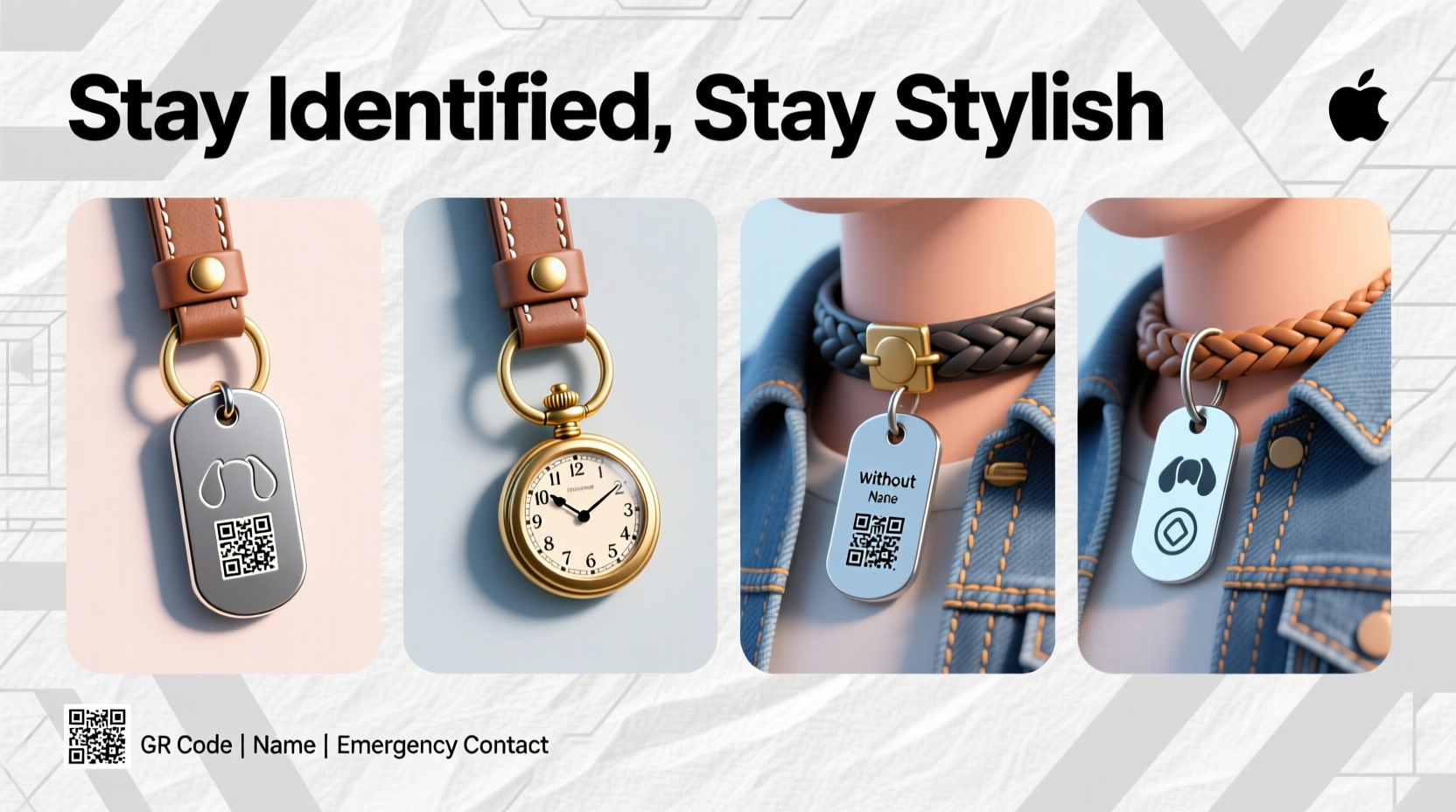
Not every dog tolerates collars well. Some breeds, like greyhounds or whippets, have narrow necks that make standard collars prone to slipping off. Others may suffer from skin irritation, especially if they’re frequently wet or active. Additionally, during activities like swimming or agility training, collars can become entangled or uncomfortable. In these cases, removing the collar doesn’t mean giving up on identification. Using a dog tag without a collar ensures your pet remains traceable while accommodating their lifestyle.
Veterinarian Dr. Lena Peterson emphasizes:
“Identification should never be compromised for comfort—but it doesn’t have to rely on a collar. The key is consistency and visibility.” — Dr. Lena Peterson, DVM, Pet Safety Advocate
Creative Alternatives for Wearing Dog Tags
With a little ingenuity, dog tags can be securely integrated into a dog’s routine in non-traditional ways. Below are several tested methods that balance security, durability, and ease of use.
1. Harness Integration
Many dogs wear harnesses for walking, training, or car travel. These provide an ideal anchor point for attaching a dog tag. Most harnesses include loops, D-rings, or stitching strong enough to support a lightweight metal or silicone tag.
Choose tags designed for low noise and rounded edges to prevent chafing against the harness fabric. Silicone tags with engraved details are increasingly popular due to their flexibility and quiet movement.
2. Bandana or Scarf Attachment
Fashion-conscious owners often use bandanas as a stylish way to display identification. A durable cotton or polyester bandana with reinforced stitching can hold a small tag via a split ring or sewn-in loop.
To ensure security:
- Use a tag no heavier than 0.5 oz to avoid pulling
- Sew a protective fabric pocket into the bandana corner
- Tie the bandana snugly behind the ears (not too tight)
This method works best for short outings or social events. Avoid relying on it for unsupervised time, as bandanas can slip off during play.
3. Leash Clip-On System
A growing number of leashes come with secondary attachment points specifically for ID tags. Alternatively, you can add a carabiner-style clip near the handle to hold a tag that stays with the leash at all times.
Advantages:
- The tag is always present when the dog is outside
- No additional weight on the dog
- Easy to switch between leashes
Limitation: This only works when the leash is in use. It’s not suitable for backyard time or indoor accidents where the dog might be loose.
4. Embedded Tags in Gear
Some pet products now come with built-in ID compartments. Waterproof booties, cooling vests, and even certain backpacks designed for dogs offer pockets or loops for identification.
For example, adventure-focused brands like Ruffwear include internal label slots where a mini tag can be inserted discreetly. These are ideal for hiking, camping, or water activities where collars are removed.
5. Microchip + QR Code Accessories
While not a physical tag per se, pairing a microchip with a QR-coded accessory offers a high-tech alternative. A small QR tag can be attached to a harness, toy, or even a waterproof wristband worn during outdoor excursions.
When scanned, the code directs finders to a secure online profile with contact info, medical alerts, and real-time location history (if enabled). Services like FindMyPet and DogID offer durable, weather-resistant QR tags that last years.
Security Best Practices for Non-Collar ID
Using a dog tag without a collar introduces new risks—chiefly, detachment or invisibility. To maximize safety, follow these guidelines:
- Redundancy is key: Use at least two forms of ID. For example, a QR tag on a harness plus a microchip.
- Check fit regularly: Ensure attachments don’t loosen over time due to stretching or wear.
- Prioritize visibility: Choose bright colors or reflective materials for tags used outdoors.
- Avoid dangling parts: Long chains or loose rings can snag on fences or furniture.
- Test during activity: Observe how the tag performs during running, swimming, or rolling.
Do’s and Don’ts of Non-Collar Dog Tag Use
| Do’s | Don’ts |
|---|---|
| Attach tags to sturdy gear like harnesses or leashes | Hang heavy metal tags on lightweight fabric |
| Use waterproof, engraved tags for outdoor use | Rely solely on temporary solutions like tape or clips |
| Update contact info seasonally | Assume microchips alone are sufficient without visible ID |
| Rotate tag locations to reduce wear | Place tags where fur can easily cover them |
Real-World Example: Max the Rescue Hound
Max, a 3-year-old mixed breed rescued from a rural shelter, had severe collar sensitivity due to past neglect. His adoptive family struggled to keep any form of ID on him—collars caused itching, and he chewed through tags within days.
After consulting a veterinary behaviorist, they adopted a three-tier system:
- A microchip (already implanted)
- A silicone QR tag clipped to his front-clip harness
- A custom-fitted neoprene vest with an internal pocket holding a backup paper ID
During a recent park escape, a jogger found Max wandering and scanned the QR tag using her phone. Within minutes, the family was contacted. “We never thought tech would save our dog,” said owner Julia Tran, “but that little tag on his vest made all the difference.”
Step-by-Step: How to Implement a Collar-Free ID System
Follow this timeline to set up a reliable, collar-free identification strategy for your dog:
- Week 1: Assess Your Dog’s Lifestyle
Track daily activities—indoors, walks, swimming, etc.—to determine where ID is needed. - Week 2: Choose 2–3 ID Methods
Select one primary (e.g., QR tag on harness) and one backup (e.g., microchip or leash tag). - Week 3: Test & Adjust
Attach tags during different activities. Monitor for discomfort, loss, or visibility issues. - Week 4: Finalize & Register
Ensure all digital profiles are complete and emergency contacts are updated. - Ongoing: Monthly Check
Inspect attachments, clean tags, and verify information accuracy.
Frequently Asked Questions
Can I use a human jewelry chain for my dog’s tag?
It’s not recommended. Human chains are typically not rust-resistant and may break under stress. Opt for stainless steel or aviation-grade aluminum pet-specific tags instead.
Is a microchip enough without any visible tag?
No. While microchips are crucial, they require a scanner and vet visit to access info. Visible ID allows immediate contact by anyone who finds your dog—neighbors, postal workers, or passersby.
What if my dog loses the gear with the tag?
Always pair removable ID with permanent solutions like microchipping. Also, consider labeling multiple items (e.g., two harnesses) so losing one doesn’t leave your dog unidentifiable.
Final Checklist: Secure Collar-Free Identification
- ✅ Microchip is registered and up to date
- ✅ At least one visible ID method is consistently used
- ✅ Tags are weatherproof and legible
- ✅ Backup plan exists for gear loss
- ✅ Family members know where ID is located
Conclusion
Protecting your dog doesn’t require a one-size-fits-all approach. Whether due to health, activity, or preference, skipping the collar doesn’t mean skipping safety. By creatively integrating dog tags into harnesses, gear, or digital systems, you can maintain reliable identification while respecting your pet’s comfort and lifestyle.




 浙公网安备
33010002000092号
浙公网安备
33010002000092号 浙B2-20120091-4
Comments
No comments yet. Why don't you start the discussion?