
Making slime at home has become a beloved activity for children and craft enthusiasts alike. Beyond its sensory appeal, slime-making encourages creativity, improves fine motor skills, and offers a hands-on science experience. The best part? You don’t need fancy equipment or rare ingredients. With just a few household items—primarily glue—you can create a variety of textures, colors, and consistencies. Whether you're crafting with kids, hosting a DIY party, or simply looking for a relaxing project, this guide walks you through the essential steps, variations, and safety tips to make your slime journey both fun and successful.
Why Glue-Based Slime Works So Well
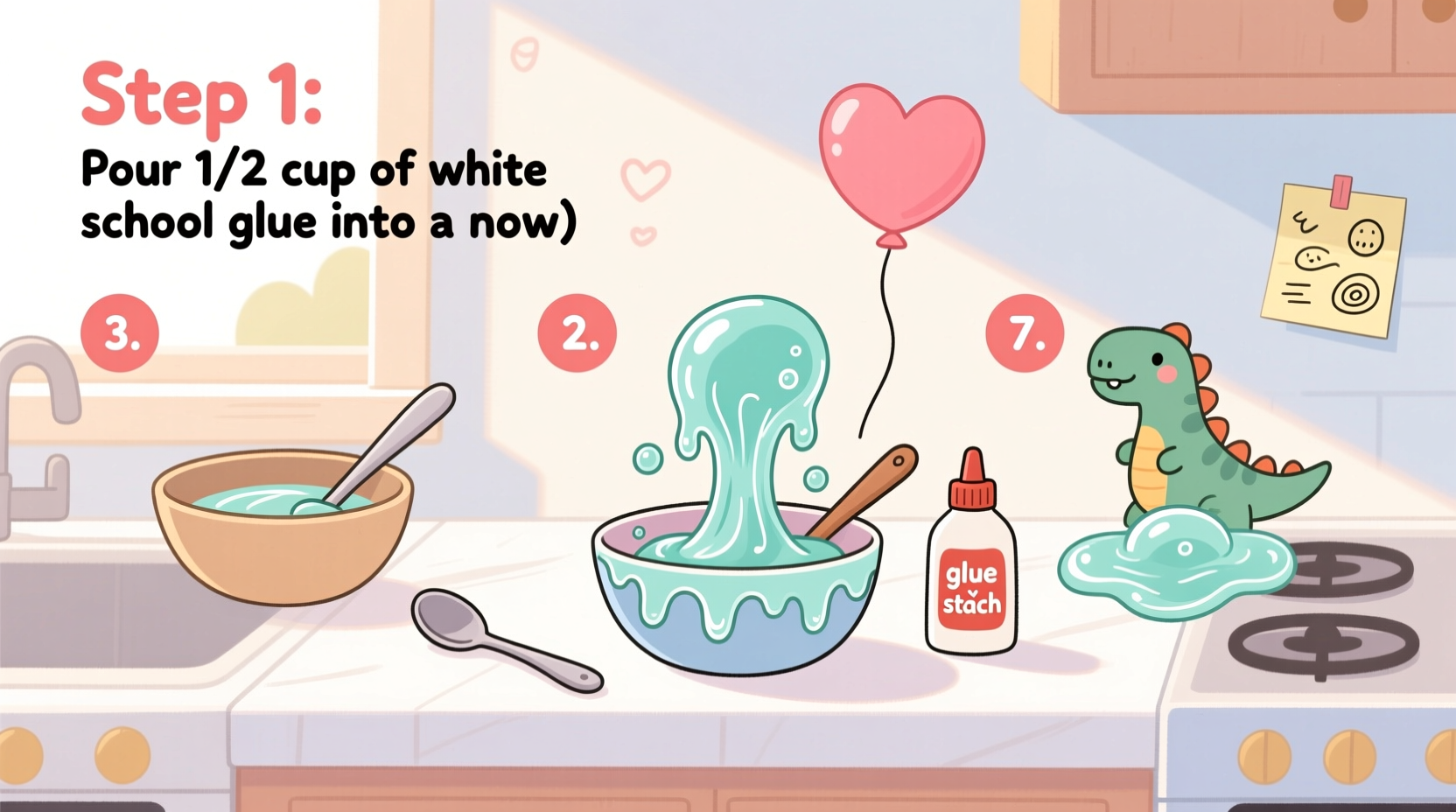
White school glue, commonly known as PVA (polyvinyl acetate) glue, is the foundation of most homemade slime recipes. When mixed with an activator—such as borax, contact lens solution, or baking soda—the long polymer chains in the glue cross-link, transforming the liquid into a stretchy, moldable substance. This chemical reaction is not only fascinating but also perfectly safe when handled responsibly.
The versatility of glue-based slime lies in its adaptability. You can alter its texture from buttery and soft to crunchy or fluffy by adjusting ingredients. It’s also ideal for customization with food coloring, glitter, foam beads, or scented oils. Because it starts with a familiar product found in most homes, glue-based slime lowers the barrier to entry for beginners while still offering room for experimentation.
Basic Step-by-Step Guide to Making Classic Slime
Start with this reliable, no-fail recipe before exploring advanced variations. This method uses common kitchen ingredients and takes less than 15 minutes.
- Gather ½ cup of white school glue and pour it into a mixing bowl.
- Add ½ cup of warm water to the glue and stir until fully combined. This step thins the glue for even mixing.
- Incorporate 1–2 drops of food coloring if desired. Mix thoroughly for uniform color.
- Prepare the activator: In a separate container, mix 1 teaspoon of baking soda with 1 tablespoon of contact lens solution (must contain boric acid or sodium borate).
- Slowly add the activator mixture to the glue while stirring continuously. Within seconds, the mixture will begin to pull away from the bowl.
- Once it forms a cohesive blob, use your hands to knead it for 3–5 minutes until smooth and non-sticky. If it remains tacky, add a tiny bit more contact lens solution.
- Store in an airtight container when done to preserve texture.
This basic slime will have a glossy, stretchy consistency perfect for pulling and shaping. Keep it away from fabrics and carpets, as colored dyes can stain.
Creative Variations to Try at Home
Once you’ve mastered the classic version, expand your repertoire with these inventive twists that elevate the tactile experience.
- Fluffy Slime: Add ½ cup of shaving cream to the glue before introducing the activator. The result is light, airy, and cloud-like.
- Crunchy Slime: Mix in ¼ cup of small foam or plastic beads after kneading. The satisfying crunch adds auditory stimulation.
- Glitter Slime: Stir in 1–2 teaspoons of cosmetic-grade glitter for a sparkly finish. Use fine glitter to avoid sharp edges.
- Scented Slime: Add 3–5 drops of essential oil (like lavender or citrus) during mixing. Avoid synthetic fragrances that may irritate sensitive skin.
- Clear Slime: Substitute white glue with clear PVA glue and use saline solution as the activator for a transparent, jelly-like effect.
Safety and Best Practices
While slime is generally safe, proper handling ensures a worry-free experience, especially when children are involved. Boron-based activators like borax or contact lens solution should be used in moderation and under supervision. According to the American Academy of Pediatrics, exposure to high levels of borax can cause irritation, so always wash hands after play and avoid ingestion.
| Do’s | Don’ts |
|---|---|
| Wash hands before and after playing with slime | Leave slime unattended around young children |
| Use gloves if you have sensitive skin | Mix borax directly without diluting it in water |
| Label containers clearly | Use expired or unknown chemicals as activators |
| Dispose of slime properly if it develops mold | Store slime in direct sunlight or hot environments |
“Slime can be a fantastic educational tool when approached safely. Teach kids about polymers and chemical reactions while emphasizing responsible ingredient use.” — Dr. Linda Ruiz, Science Educator and STEM Advocate
Real-Life Example: A Classroom Slime Session
At Maplewood Elementary, third-grade teacher Ms. Thompson introduced a weekly “Science Craft” hour. One session focused on making glue-based slime to teach states of matter and chemical changes. Using the basic recipe, students measured glue, added food coloring, and slowly mixed in contact lens solution under supervision. Each child customized their slime with glitter or beads, then documented the process in science journals. Parents reported increased interest in chemistry topics at home, and behavioral therapists noted improved focus and stress relief during quiet time. The project succeeded because it blended learning, creativity, and tactile engagement—all rooted in a simple glue-based formula.
Frequently Asked Questions
Can I make slime without borax or contact lens solution?
Yes. Alternatives include liquid laundry starch or a mixture of baking soda and vinegar, though results may vary in elasticity. Some users achieve good texture using cornstarch and glue, though this creates a more paste-like consistency rather than traditional slime.
My slime is too sticky. How can I fix it?
Add a small amount of activator (contact lens solution or saline) and knead thoroughly. Work slowly—one drop at a time—to avoid over-activating, which can make slime stiff or rubbery.
How long does homemade slime last?
Properly stored in an airtight container, glue-based slime typically lasts 1–2 weeks. Discard if it develops an odor, becomes slimy in a different way (signaling microbial growth), or dries out completely.
Essential Checklist Before You Begin
- ✅ Gather all ingredients: glue, activator, mixing bowl, spoon
- ✅ Cover your workspace with parchment paper or wax sheets
- ✅ Have measuring spoons and cups ready
- ✅ Prepare storage container for finished slime
- ✅ Supervise children throughout the process
- ✅ Wash hands before and after handling slime
Final Thoughts and Encouragement
Making slime with glue at home is more than just a craft—it's a gateway to exploration, mindfulness, and shared joy. Whether you're calming anxious thoughts with rhythmic kneading or guiding a child through their first chemical reaction, the simplicity of the process belies its deeper value. With minimal investment and endless customization options, slime invites everyone to play, learn, and create.




 浙公网安备
33010002000092号
浙公网安备
33010002000092号 浙B2-20120091-4
Comments
No comments yet. Why don't you start the discussion?