
In compact living environments—from studio apartments to tiny homes—every inch of space counts. One of the biggest challenges is managing clothing storage without creating visual chaos or sacrificing functionality. Traditional wardrobes and dressers often take up too much floor area, leaving residents with piles of clothes on chairs or overstuffed drawers. The solution lies not in buying more furniture, but in rethinking how you hang and organize your garments. With clever techniques and strategic use of vertical and hidden space, it’s entirely possible to keep your wardrobe accessible, neat, and clutter-free—even in the smallest of rooms.
Maximize Vertical Space with Over-the-Door and Wall-Mounted Solutions
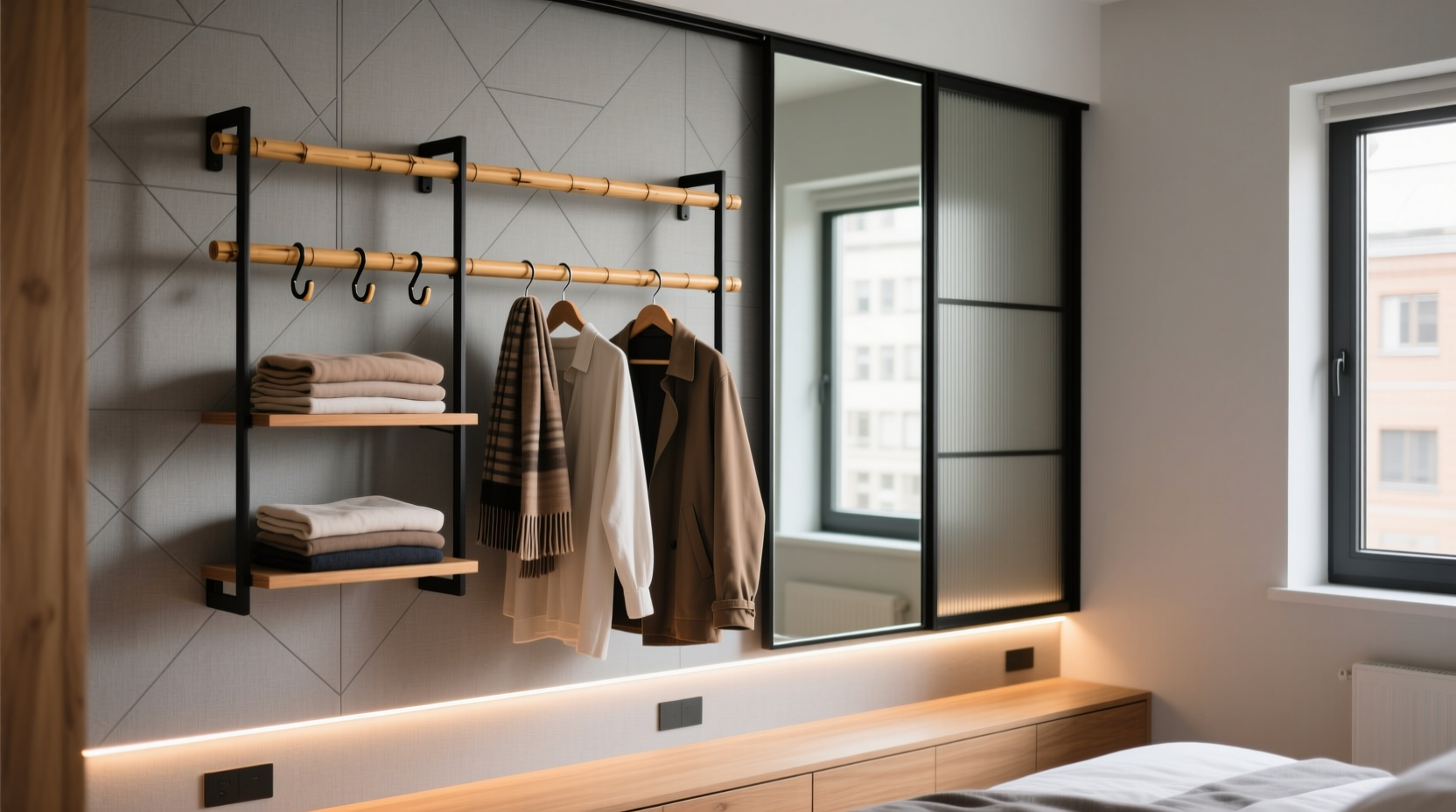
When floor space is limited, look up. Walls and doors are underutilized real estate for hanging clothes. Installing slim, wall-mounted rails or over-the-door hooks instantly frees up floor area while keeping frequently worn items within reach.
Over-the-door organizers aren’t just for shoes or toiletries—they come in garment-specific versions with multiple hangers built into a single unit. These can hold shirts, scarves, or even lightweight jackets. For a more permanent solution, consider a wall-mounted clothing rail. These require minimal installation and can be customized to fit narrow hallways, beside beds, or inside closets.
Utilize Multi-Functional Furniture with Built-In Hanging Features
Furniture that serves dual purposes is a cornerstone of small-space living. Beds with built-in drawers, ottomans with storage compartments, and modular shelving units are common—but don’t overlook pieces designed specifically for clothing access.
Consider a tall, narrow armoire with a pull-out hanging rod. These units are typically less than 24 inches wide but offer full-length hanging space for dresses, coats, or suits. Alternatively, some modern nightstands and room dividers now include discreet hanging bars behind sliding panels, blending storage seamlessly into your decor.
Another innovative option is a hanging clothing rack disguised as a room divider. Placed between sleeping and living areas in a studio, it separates zones while providing open-access storage. Choose one with a minimalist metal frame to maintain an airy feel.
Optimize Closet Space with Layered and Rotating Systems
Even small closets can be highly efficient with the right organization strategy. The key is layering: using depth, height, and adjustable components to create multiple hanging zones.
Start by installing a second hanging rod beneath the primary one. This allows you to hang shorter items like shirts or blouses above and longer ones like pants or skirts below. Use slim, non-slip hangers to maximize rod capacity without bunching.
For seasonal rotation, adopt a “front-and-back” system. Keep current-season clothes at the front of the closet on standard hangers, and store off-season items toward the back on cascading hangers or in vacuum-sealed bags hung from the same rod. This eliminates the need for extra storage bins while keeping everything accessible.
| Solution | Best For | Space Saved | Installation Level |
|---|---|---|---|
| Over-the-door hanger | Daily wear, accessories | High (uses unused door space) | None |
| Wall-mounted rail | Coats, robes, frequently changed outfits | Very High | Low (requires drilling) |
| Double rod system | Full wardrobes in shallow closets | Medium-High | Medium (adjustable shelving) |
| Cascading hangers | Pants, skirts, layered outfits | Medium | None |
Embrace Creative DIY and Temporary Hanging Ideas
Not every solution needs to be permanent. In rental apartments or temporary setups, removable adhesive hooks, tension rods, and freestanding racks offer flexible alternatives without damaging walls.
Try placing a sturdy tension rod across a corner or inside a shallow alcove. Hang S-hooks to support lightweight garments like tank tops, cardigans, or pajamas. Since no tools are required, this setup can be removed without trace when you move.
For renters concerned about nails, consider peel-and-stick adhesive hooks rated for heavy loads (up to 15 lbs). Arrange them in a vertical line along a hallway wall to create a mini clothing display. Pair with decorative baskets below for folded items, maintaining both function and aesthetic harmony.
“Small spaces demand creativity, not compromise. A well-planned hanging system can make a 6-foot closet feel like a walk-in.” — Lena Torres, Interior Designer & Small-Space Specialist
Mini Case Study: Transforming a Studio Apartment Corner
Maria, a graphic designer living in a 400-square-foot Brooklyn studio, struggled with clothes spilling out of her closet and onto her sofa. Her solution? She installed a 36-inch wall-mounted clothing rail in a dead corner behind her desk. Using slim velvet hangers and two cascading multi-pant hangers, she created dedicated space for workwear, outerwear, and weekend outfits.
Beneath the rail, she added a narrow woven basket on casters to store folded sweaters. The entire system took under an hour to install, cost under $75, and freed up enough floor space to add a small reading chair. By keeping only 10 core pieces on display and rotating others monthly, Maria maintains a clean, intentional wardrobe without clutter.
Smart Habits to Prevent Clutter Build-Up
No storage system works long-term without disciplined habits. Even the most ingenious hanging solution will fail if clothes are tossed back haphazardly or if outdated items remain in rotation.
Adopt a weekly reset routine: spend 10 minutes every Sunday evening returning clothes to their designated spots, removing anything that needs washing, and evaluating what’s being worn versus what’s ignored. This helps identify pieces to donate, preventing overcrowding.
- Rotate seasonal items every three months to keep only relevant clothes accessible.
- Fold bulkier knits instead of hanging them to prevent stretching.
- Use uniform hangers (e.g., all slim velvet or wooden) for visual cohesion and space efficiency.
- Limit visible hanging items to 15–20 core pieces to avoid visual overload.
Step-by-Step Guide: Create a Hidden Clothing Nook in 5 Steps
- Assess Available Space: Identify underused areas—behind doors, in corners, or above low furniture.
- Choose Your System: Decide between wall-mounted rails, over-the-door hangers, or freestanding racks based on permanence and load needs.
- Install Securely: Use anchors for wall fixtures; ensure tension rods are snug and level.
- Organize by Frequency: Hang daily-use items at eye level, seasonal or occasional pieces higher or lower.
- Review Monthly: Adjust layout based on changing needs and remove unused items to maintain flow.
FAQ
Can I hang heavy coats on a wall-mounted rail?
Yes, provided the rail is securely anchored into wall studs or uses heavy-duty drywall anchors. Look for rails rated for at least 50 lbs and distribute weight evenly.
How do I prevent clothes from slipping off hangers?
Use hangers with rubberized or textured edges. Velvet-covered hangers provide excellent grip and take up less space than plastic or wire alternatives.
Are open clothing racks messy?
They can be—if overfilled. Keep open racks looking tidy by limiting them to curated, frequently worn items and folding or storing the rest. Think of them as functional displays, not dumping grounds.
Conclusion
Living in a small space doesn’t mean compromising on style or organization. With thoughtful planning and creative use of vertical and multifunctional solutions, you can design a clothing storage system that’s both practical and visually pleasing. The goal isn’t to hide everything away, but to integrate storage into your space so seamlessly that clutter never gets a foothold.




 浙公网安备
33010002000092号
浙公网安备
33010002000092号 浙B2-20120091-4
Comments
No comments yet. Why don't you start the discussion?